

Xingang Biomimetic Ultra-Thin Fiberboard
| Products Detail | ||||
| Product name | Xingang Biomimetic ultra-thin fiberboard | |||
| Species | Pine Wood Imported from New Zealand | |||
| Size | 1220x2440mm,2100x2800mm,1830x2440mm or as request | |||
| Grade | ENF | Glue | Xingang Biomimetic Adhesive | |
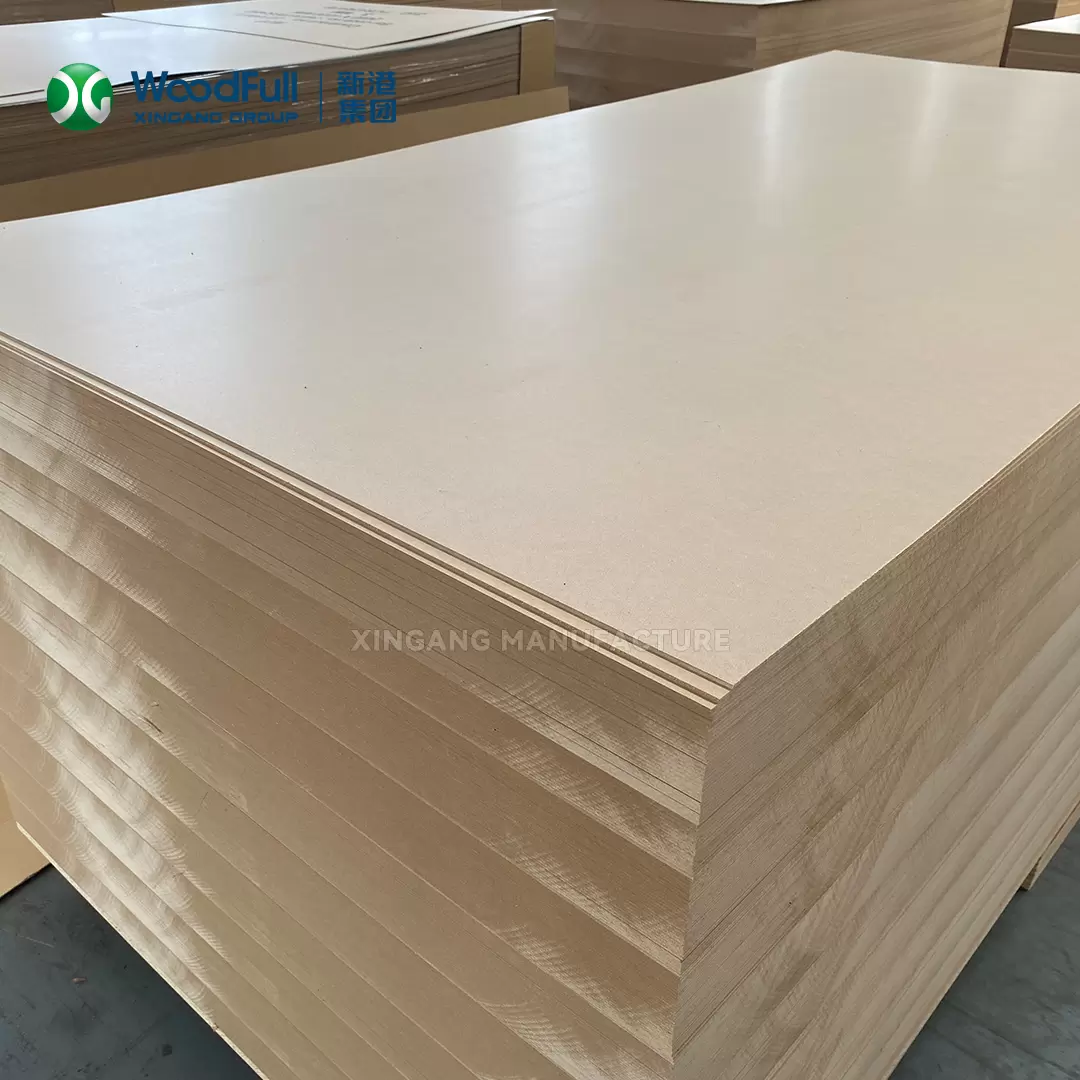
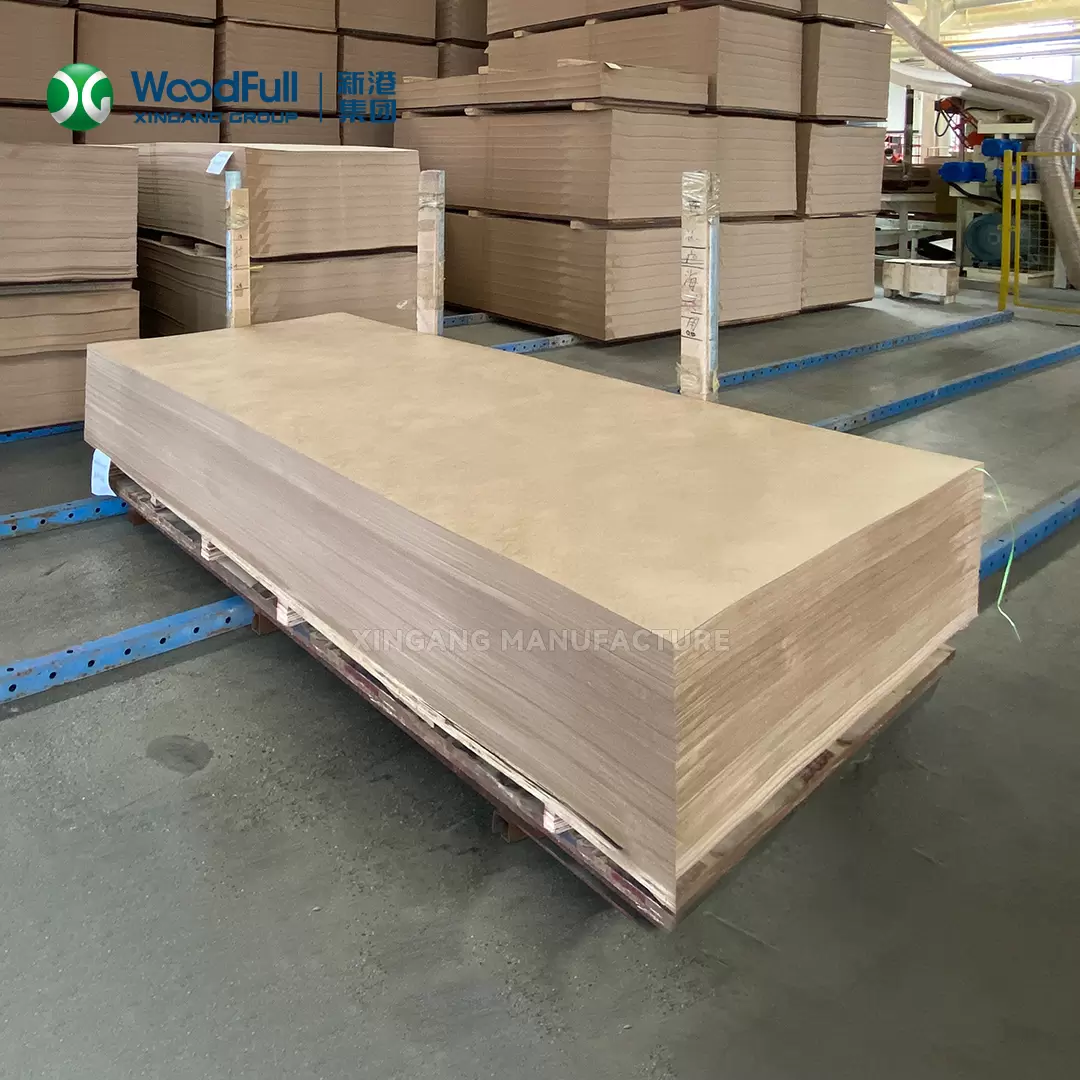
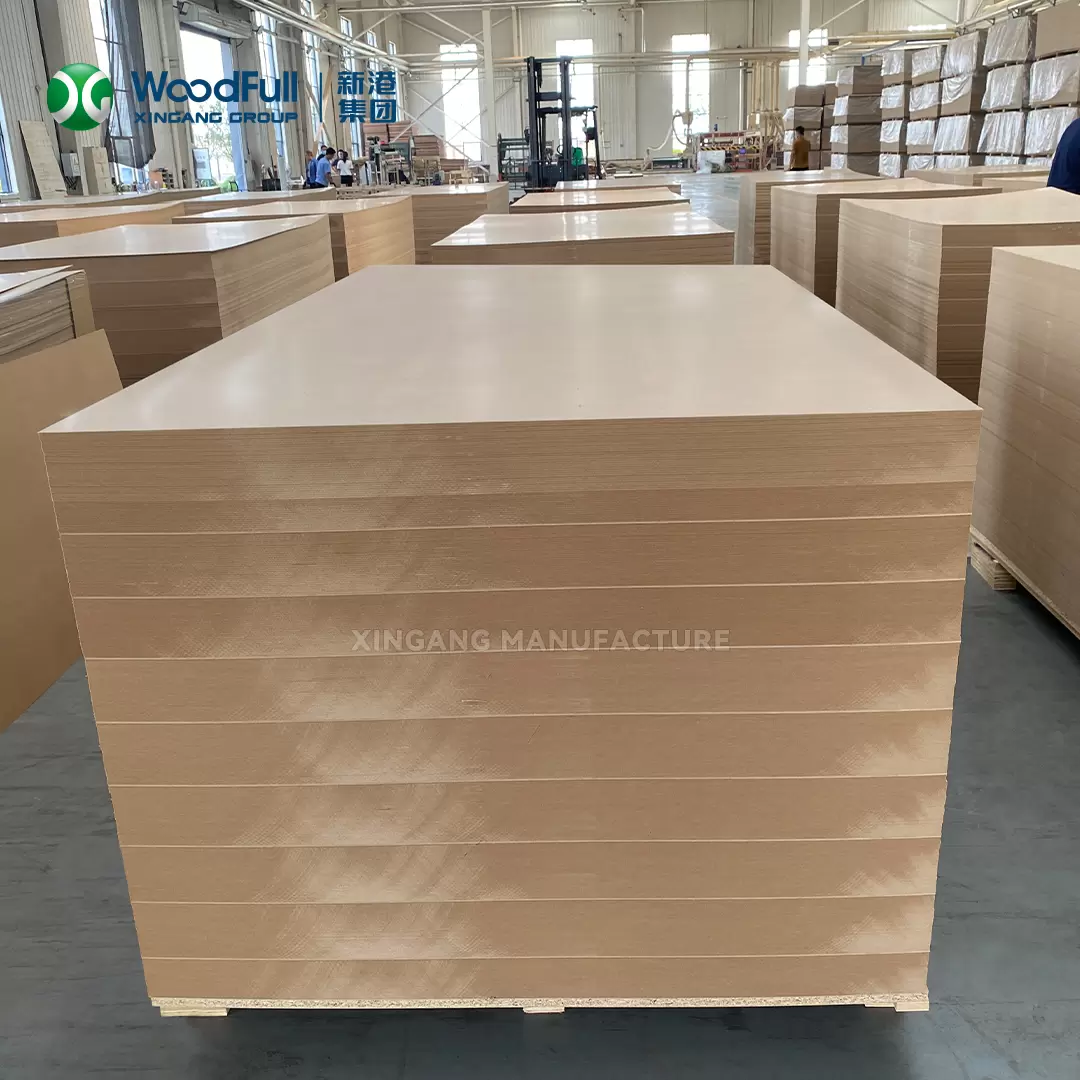
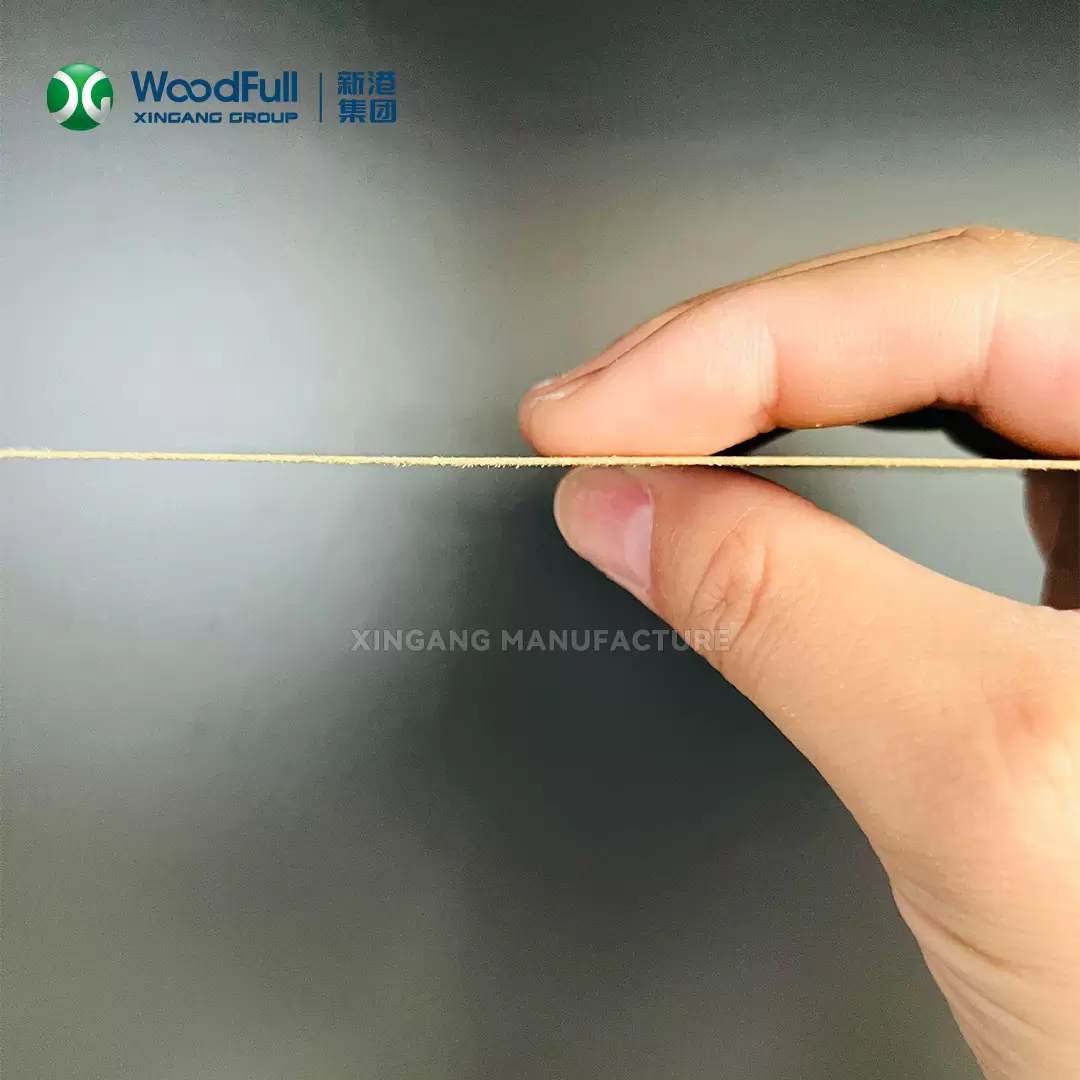
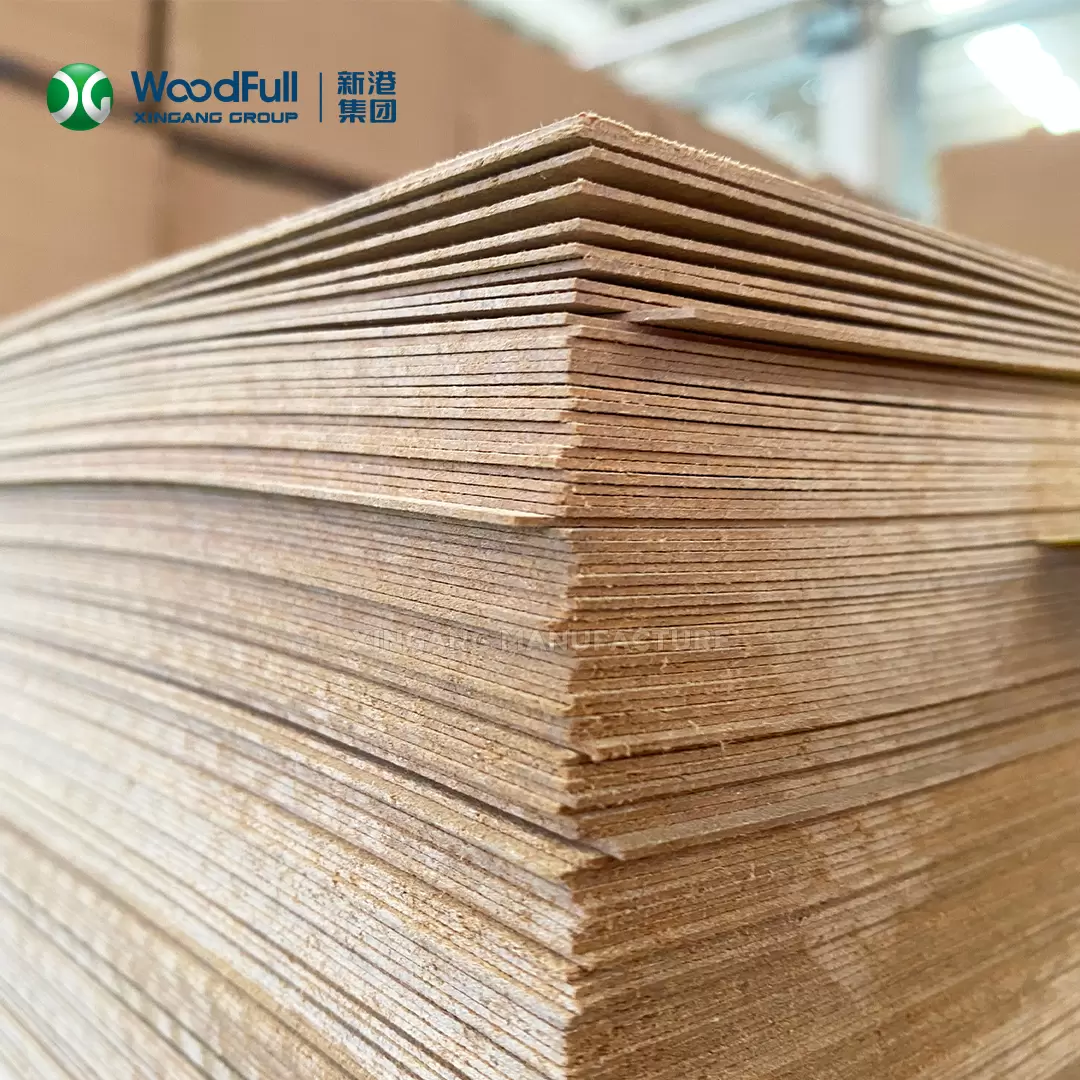
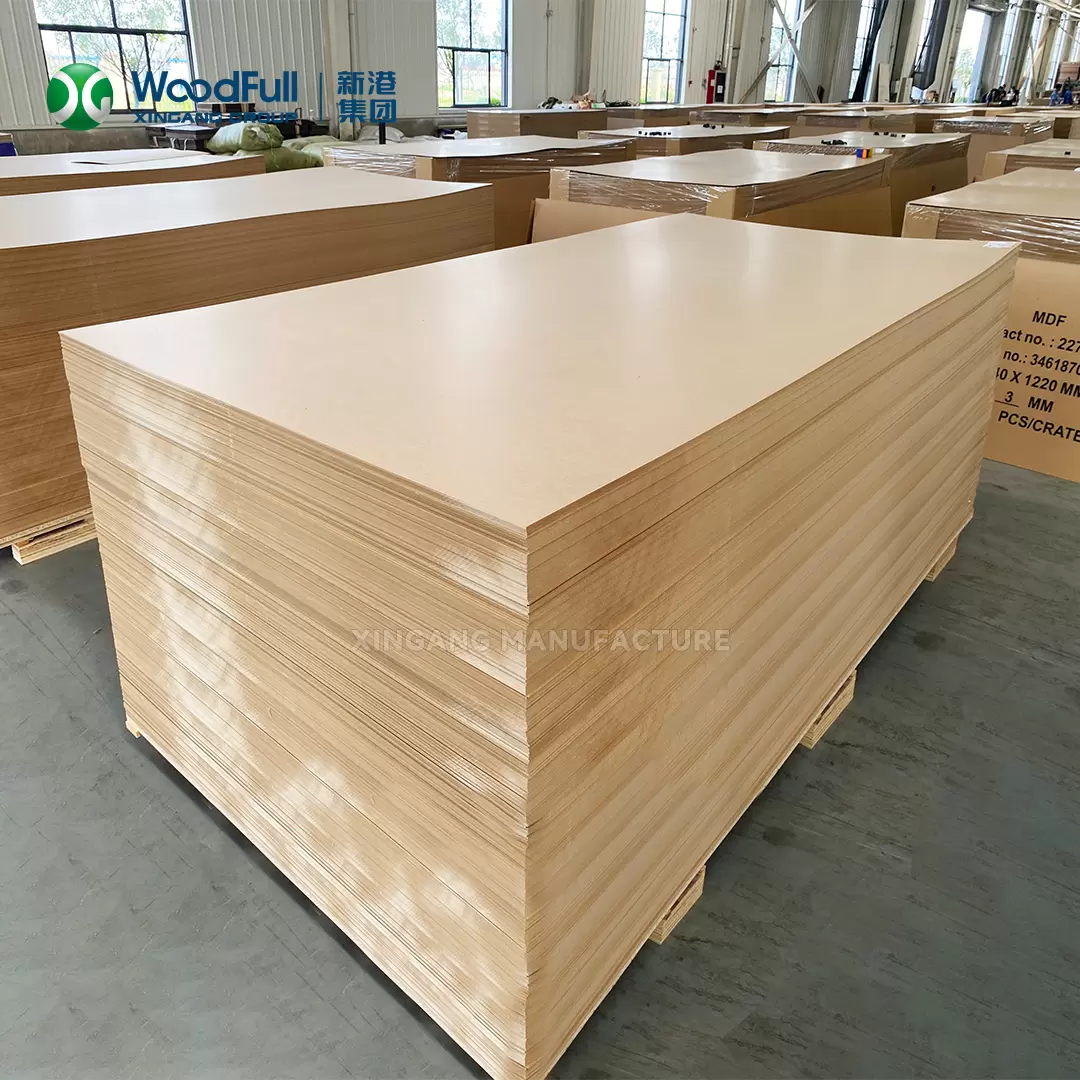
Xingang Biomimetic Ultra-Thin Fiberboard
Precision-crafted surfaces. Naturally resilient core. Uncompromised purity.
Before we dissect the four foundational pillars of the Xingang Biomimetic Ultra-Thin Fiberboard, it is essential to understand the design philosophy that governs every board we produce. The term “biomimetic” is not a marketing label; it is a scientific approach. For decades, the wood composites industry has relied on synthetic resin systems that, while effective, often introduce volatile organic compounds (VOCs), formaldehyde emissions, and long-term indoor air quality concerns. At the same time, the drive toward thinner panels—those below 6 millimeters and often as slim as 1.8 millimeters—has exposed inherent weaknesses in traditional fiberboard: warping, edge fragility, and surface telegraphing when exposed to moisture or mechanical stress.
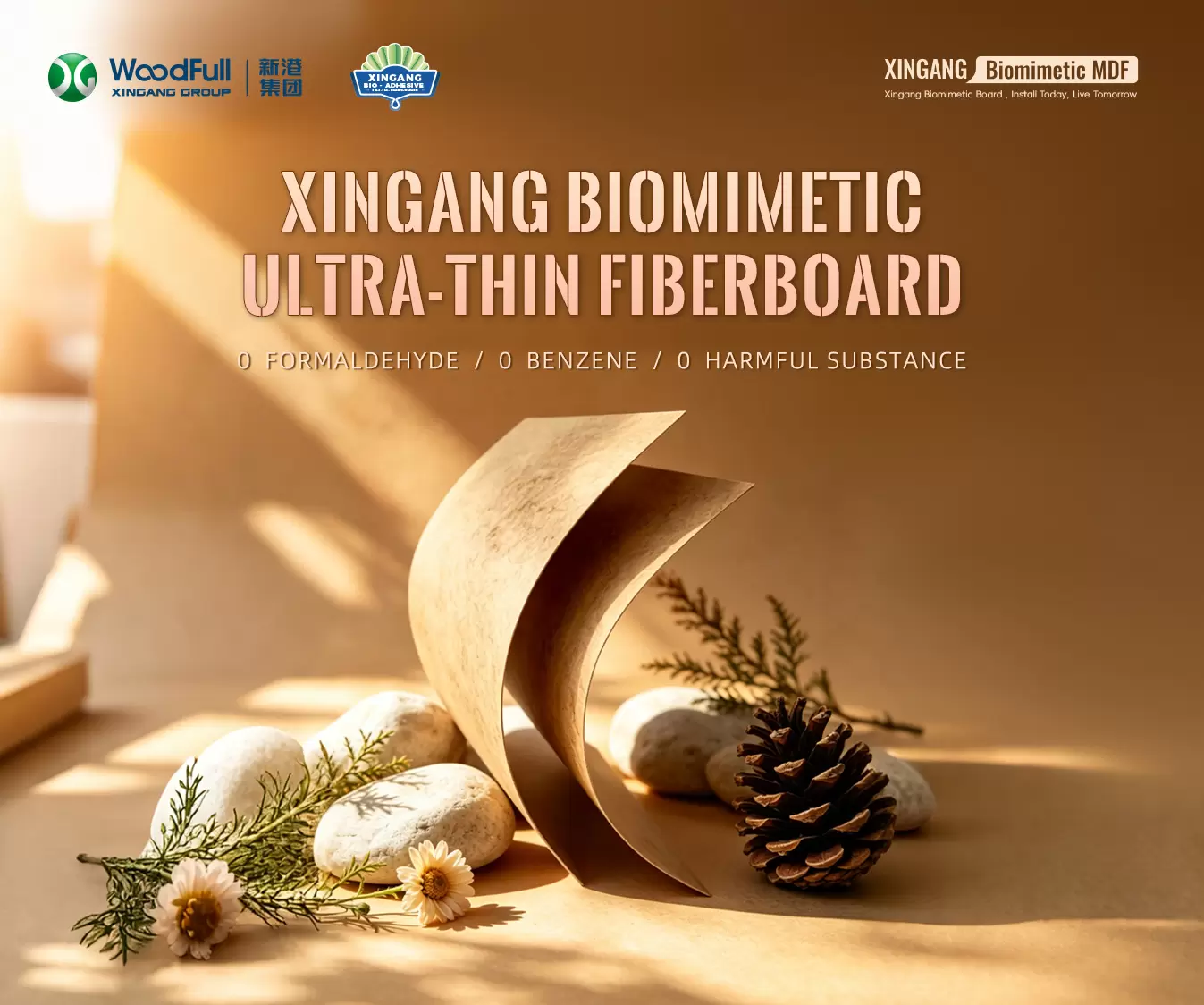
Each of these attributes will be explored in its own dedicated section. Collectively, they define an ultra-thin panel that performs as beautifully as it smells and as responsibly as the future demands
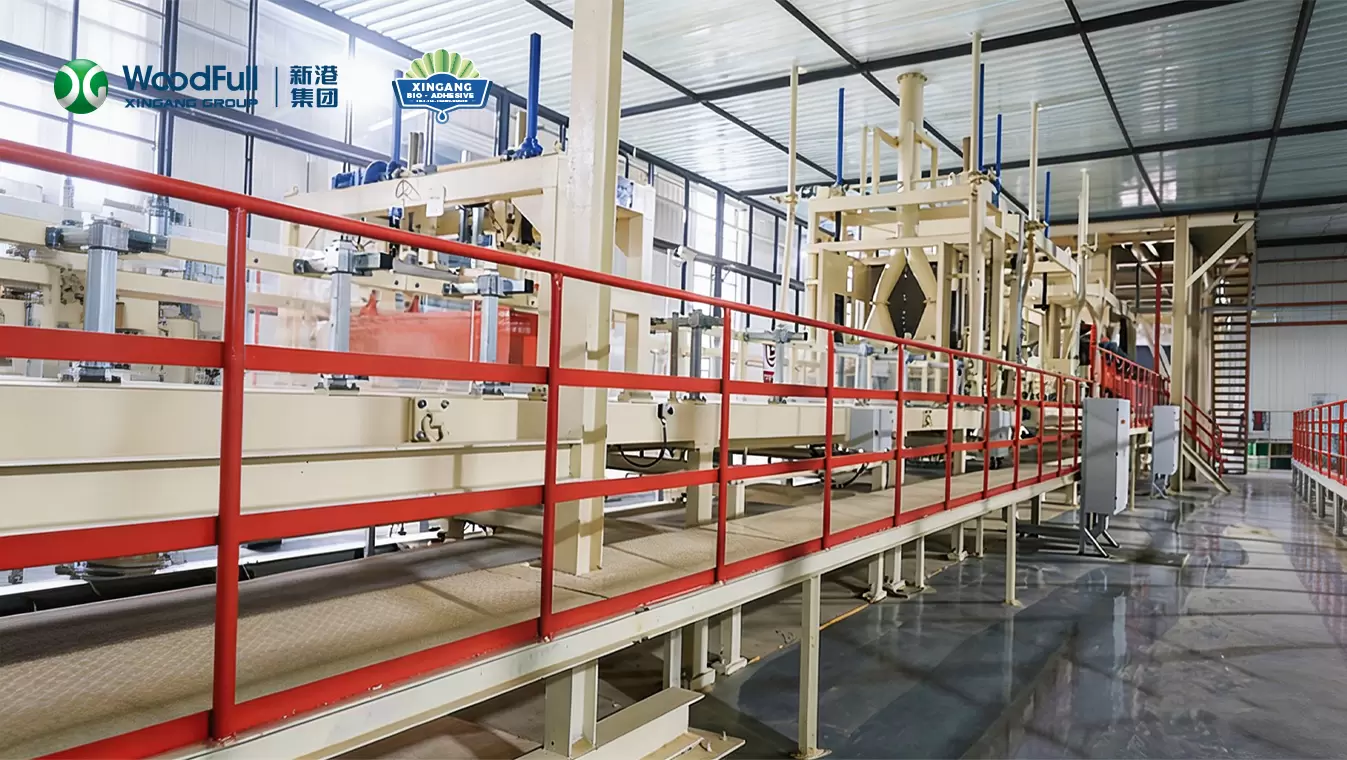
The Yalian Ultra-Thin Special Line: Engineering Surface Perfection
At the heart of our manufacturing capability lies the Yalian Ultra-Thin Special Line, a continuous press and finishing system engineered specifically for boards ranging from 1.5 mm to 8 mm in thickness. Unlike conventional multi-opening presses that accumulate tolerances with each cycle, the Yalian line employs a continuous calendaring process that applies uniform heat and pressure across every square millimeter of the mat. This fundamental difference eliminates thickness variation, density gradients, and surface irregularities that plague batch-processed panels.
The immediate, tactile impact of the Xingang Biomimetic Ultra-Thin Fiberboard is its surface quality. Average surface roughness (Ra) is consistently maintained below 2.5 micrometers, a value approaching that of fine-sanded solid wood but achieved on a highly consistent, homogenous substrate. This super-smooth surface eliminates the need for heavy primer coats or pore-filling steps when applying paints, high-gloss lacquers, or direct digital printing. Coating systems can be applied at lower film weights, saving material costs while achieving deeper visual depth.
For furniture manufacturers, this means that laminating with ultra-thin melamine papers, veneers as fine as 0.2 mm, or thermoplastic foils yields a mirror-like finish with zero telegraphing of substrate fibers. The board’s uniform density prevents localized absorption differences that cause spotty glue lines or “ghosting” under thin decorative layers. Whether you are producing a high-gloss acrylic kitchen door or a matte, tactile laminate surface, the Xingang platform provides a flawless canvas.
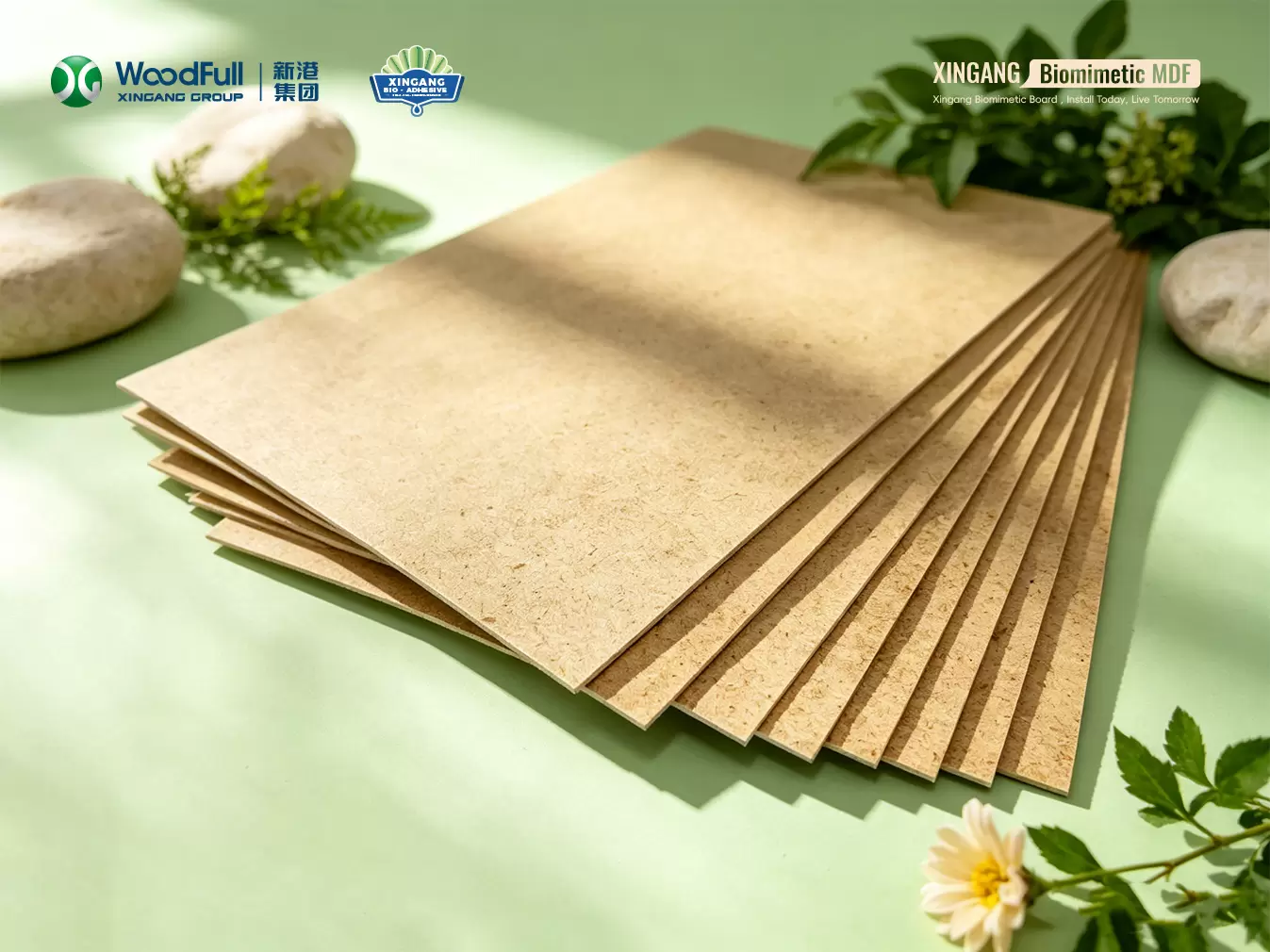
Resistance to Warping, Cracking, and Edge Collapse
Thin panels are inherently susceptible to warp, especially when one face is laminated or coated while the other remains exposed, creating unbalanced moisture conditions or asymmetric stress. The Yalian line counteracts this tendency through two mechanisms: an optimized density profile and stress-relief conditioning. The density profile, carefully tuned during mat forming, balances stiffness with internal bond strength, so the board resists cupping and bowing even when subjected to unilateral coating.
Independent laboratory testing according to ASTM D1037 and EN 310 standards demonstrates that our ultra-thin fiberboard exhibits warp deviation of less than 0.8% of diagonal length after 72-hour conditioning at 30°C and 85% relative humidity—less than half the typical industry threshold for comparable products. In practice, this means panels remain flat on the application line, reducing rejection rates and rework in door pressing, wall paneling installation, and furniture assembly.

Sturdy, Durable, and Mechanically Sound
The mechanical performance of any fiberboard depends on fiber quality, resin type and content, and the density profile. With New Zealand pine, we start from an inherently strong platform. The wood’s modulus of elasticity (MOE) and modulus of rupture (MOR) at the fiber level translate into a board that is stiff yet not brittle. Our ultra-thin fiberboard, even at 2.5 mm thickness, can resist handling and machining forces that would shatter a lower-quality thin panel.


