02 Apr 2026
Is Particle Board Good for Furniture?
Learn More >


The global furniture market is moving rapidly toward customization, modular design, and environmentally responsible production. Unlike traditional standardized furniture manufacturing, customized furniture requires materials that can adapt to different structures, sizes, surface designs, and processing methods while maintaining consistent quality.
A 12mm furniture board has become a practical material choice for many customized furniture applications because it offers a balanced combination of strength, weight efficiency, machining flexibility, and surface performance. It can be integrated into cabinets, wardrobes, office furniture, decorative structures, and interior solutions where designers need reliable performance without excessive material thickness.
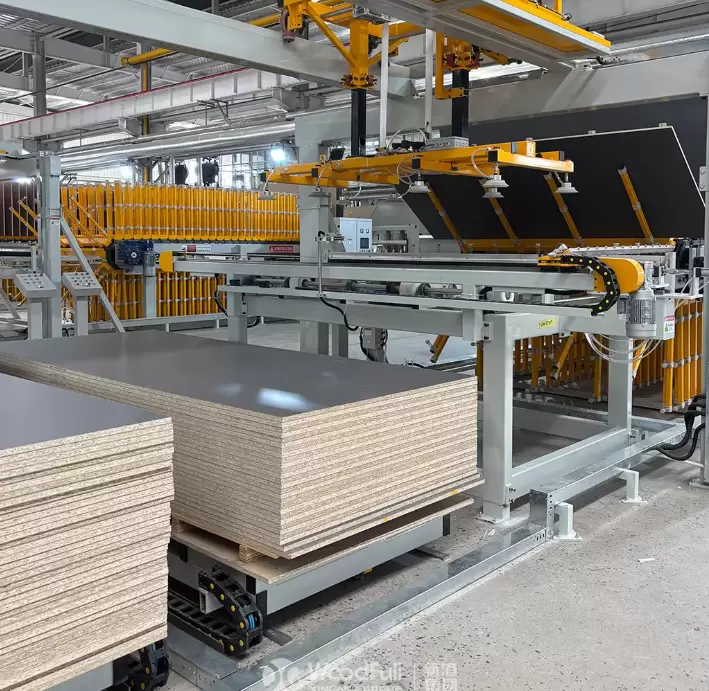
However, selecting a suitable 12mm furniture board requires more than considering panel thickness. Factors such as dimensional stability, moisture resistance, screw holding strength, surface quality, and environmental safety determine whether the final furniture can maintain durability throughout its service life.
For manufacturers developing customized furniture systems, the right board material can directly influence production efficiency, product quality, and customer satisfaction.
Customized furniture is usually designed according to specific room layouts, functional requirements, and aesthetic preferences. This creates higher demands on board materials because every panel must achieve precise dimensions and stable performance during manufacturing.
A 12mm furniture board provides advantages in applications where manufacturers require:
Compared with thicker furniture boards, 12mm panels reduce overall furniture weight, making transportation and installation easier. At the same time, they provide better rigidity and durability compared with thinner boards that may have limitations in load-bearing capability.
For components such as cabinet interiors, partitions, drawer structures, and decorative panels, 12mm thickness often provides an effective balance between performance and manufacturing cost.
One of the biggest challenges in furniture manufacturing is maintaining dimensional accuracy throughout production and use. Wood-based materials naturally respond to environmental changes, especially variations in humidity and temperature.
A high-quality 12mm furniture board should maintain stable dimensions under different conditions by controlling:
Poor dimensional stability may lead to problems such as:
For customized furniture, where multiple panels must fit together precisely, dimensional stability is essential. Even small deformation can affect the appearance and functionality of the final product.
Furniture is used in a wide range of environments, including kitchens, bathrooms, offices, bedrooms, and commercial spaces. Each environment creates different requirements for board performance.
Although 12mm furniture board is commonly used for interior applications, moisture resistance remains an important consideration because humidity changes can influence panel stability.
A reliable furniture board should provide:
For customized furniture manufacturers, selecting boards with appropriate moisture resistance helps reduce after-sales issues caused by environmental changes.
Modern furniture design relies heavily on decorative surfaces. Consumers expect furniture products with high-quality finishes, smooth textures, and consistent visual appearance.
The surface performance of 12mm furniture board affects compatibility with various finishing technologies, including:
A uniform and smooth panel surface improves adhesion quality and reduces defects during secondary processing.
For automated furniture production, consistent surface quality also helps improve production efficiency by reducing rework caused by coating or lamination problems.
Customized furniture production increasingly depends on automated machining equipment. CNC cutting, drilling, and edge processing allow manufacturers to achieve high production efficiency and precise product dimensions.
A well-manufactured 12mm furniture board should demonstrate good processing performance, including:
During furniture assembly, screw holding strength is especially important because hardware connections determine structural stability.
If the internal structure of the board is inconsistent, repeated assembly and adjustment may reduce connection reliability. Therefore, density uniformity and bonding quality play important roles in customized furniture applications.
Beyond mechanical performance, modern furniture manufacturers are paying increasing attention to indoor air quality and sustainable materials.
Consumers and regulations in many global markets are creating higher expectations for low-emission furniture products. This has increased demand for boards manufactured with environmentally friendly adhesive systems.
Shandong Xingang Group Co., Ltd. focuses on environmentally friendly wood-based materials and has developed Xingang Biomimetic Adhesive technology, featuring:
This technology has been applied to products such as biomimetic decorative boards, ultra-thin density boards, and biomimetic plywood.
For 12mm furniture board applications, environmentally friendly bonding technology helps manufacturers create furniture products that support healthier indoor environments while maintaining structural performance.
Different board materials have different performance characteristics. Compared with traditional solid wood, engineered furniture boards provide better consistency and production efficiency.
Compared with solid wood:
Compared with thicker boards:
Compared with lower-quality thin panels:
This balance makes 12mm furniture board a practical choice for manufacturers producing modern customized furniture at scale.
For customized furniture production, inconsistent board quality can create significant production challenges. A reliable supplier must maintain strict control over the entire manufacturing process.
Important quality control areas include:
Stable wood material selection ensures consistent density, strength, and appearance.
Advanced adhesive systems improve bonding performance and support environmental requirements.
Accurate thickness control ensures better compatibility with CNC equipment and furniture assembly processes.
Testing helps verify mechanical properties, moisture resistance, and environmental performance before products enter the market.
A supplier with strong manufacturing capabilities can help furniture companies reduce production risks and maintain consistent product quality.
The future of furniture manufacturing requires materials that combine performance, efficiency, and environmental responsibility. A 12mm furniture board is not only a structural component but also an important factor affecting production efficiency and final product value.
Shandong Xingang Group Co., Ltd. provides environmentally friendly board solutions based on advanced material technology and sustainable manufacturing concepts. By focusing on green adhesives, reliable production processes, and high-performance wood materials, the company supports global furniture manufacturers in developing healthier and more durable interior products.
For customized furniture applications, 12mm furniture board provides an effective balance between structural performance, processing efficiency, and environmental requirements. Its moderate thickness allows designers and manufacturers to achieve flexible furniture solutions while maintaining reliable durability.
However, the success of a furniture project depends on selecting boards with consistent quality, stable dimensions, strong processing performance, and safe material technology.
As the furniture industry continues moving toward customization and sustainable development, high-quality 12mm furniture board will remain an important material choice for creating durable, efficient, and environmentally responsible furniture products.