19 Aug 2026
Bionic Plywood: How Nature-Inspired Adhesive Technology Eliminates Formaldehyde from Engineered Wood
Learn More >


The furniture industry is continuously evolving toward lighter structures, higher design flexibility, and healthier indoor environments. As manufacturers develop more customized furniture solutions for residential, commercial, and hospitality applications, the selection of board materials has become a critical factor affecting product quality, durability, processing efficiency, and environmental performance.
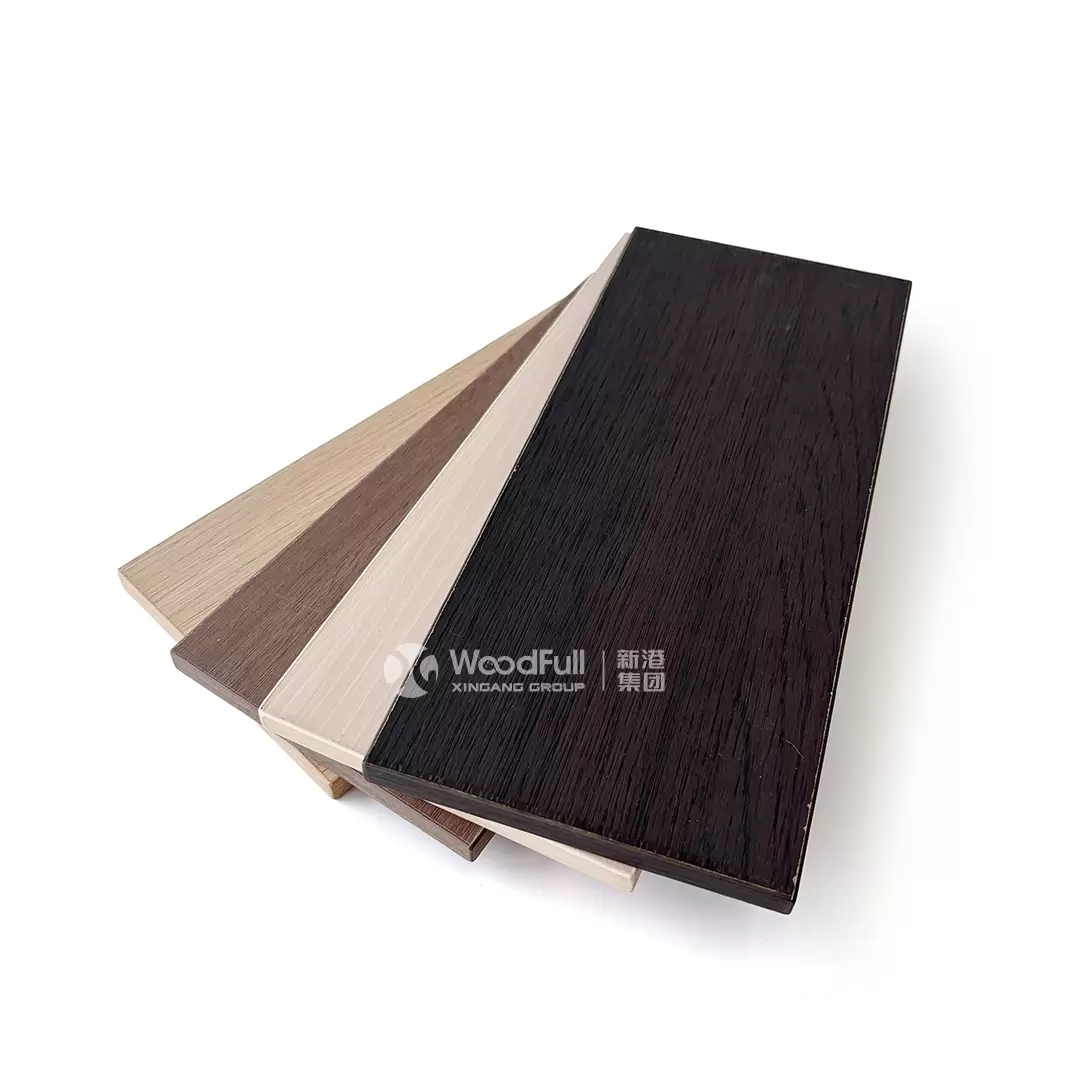
A 12mm furniture board has become a widely used specification because it provides a practical balance between structural strength, weight control, machining flexibility, and material efficiency. Compared with thicker boards, 12mm panels reduce overall product weight and material consumption while still offering sufficient mechanical performance for many furniture components. Compared with thinner panels, they provide better rigidity and resistance to deformation.
For furniture manufacturers, the value of a 12mm furniture board is not determined only by thickness. Factors such as core structure, density consistency, bonding technology, moisture resistance, surface quality, and formaldehyde emission level directly influence the final furniture performance.
With increasing demand for healthy and sustainable home environments, advanced furniture boards using environmentally friendly adhesive technologies are becoming an important direction for the industry.
The thickness of a furniture board directly affects its mechanical behavior and application suitability. A 12mm panel is commonly selected for furniture structures that require moderate strength while maintaining lightweight characteristics.
Typical applications include:
The reason 12mm thickness performs well in these applications is that it provides a balance between rigidity and processing convenience. A thicker board may increase structural strength but also adds weight, transportation cost, and machining difficulty. A thinner board may reduce cost but can create limitations in screw holding strength, dimensional stability, and long-term durability.
For modern furniture production, 12mm furniture board provides manufacturers with greater flexibility when designing products that require both reliable performance and efficient material usage.
Although thickness is an important specification, the internal structure of the board has a greater impact on final performance. Different furniture boards may use MDF, particle board, plywood, or other engineered wood structures.
For a high-quality 12mm furniture board, key technical factors include:
Uniform density distribution ensures stable mechanical strength across the entire panel. Uneven density may cause weak points that affect:
During furniture assembly, consistent density helps maintain reliable connections between panels and hardware components.
The bonding system determines how well wood fibers or particles maintain structural integrity under stress.
A high-performance board requires:
This is especially important for customized furniture production where panels undergo cutting, drilling, edge sealing, and assembly processes.
The surface of a furniture board affects both appearance and secondary processing. A smooth and uniform surface improves compatibility with:
A stable surface structure helps manufacturers achieve better final product consistency.
With stricter environmental regulations and increasing consumer awareness, low-emission furniture materials have become a major requirement in global markets.
Traditional wood-based panels may rely on adhesives containing formaldehyde-based components, which can affect indoor air quality if emissions are not properly controlled. Therefore, adhesive technology has become one of the most important factors when evaluating modern furniture boards.
Shandong Xingang Group Co., Ltd. has developed Xingang Biomimetic Adhesive technology, focusing on environmentally friendly wood materials with:
This technology has been applied to products including decorative boards, ultra-thin density boards, and biomimetic plywood solutions.
For 12mm furniture board applications, environmentally friendly bonding technology provides additional value by helping manufacturers produce furniture that meets higher health and sustainability expectations.
Choosing the correct board thickness depends on the specific furniture structure and performance requirements.
Compared with 9mm boards, 12mm furniture board generally provides:
Compared with 15mm or 18mm boards, 12mm panels offer:
This makes 12mm a suitable option for applications where excessive thickness is unnecessary but structural reliability remains important.
Furniture manufacturers increasingly rely on automated production equipment, including CNC cutting machines, edge banding systems, and drilling centers. Therefore, board processing performance directly affects production efficiency.
A quality 12mm furniture board should provide stable machining characteristics, including:
For large-scale furniture production, consistent board quality helps reduce production waste and improves manufacturing efficiency.
Stable thickness tolerance is particularly important because even small variations can affect:
The versatility of 12mm furniture board allows it to be used across multiple furniture categories.
In customized furniture systems, manufacturers need materials that support flexible designs while maintaining stable performance. 12mm boards are commonly used for internal structures, decorative elements, and lightweight components.
Office furniture requires efficient production, consistent appearance, and reliable durability. Lightweight 12mm panels help reduce transportation and installation difficulties while maintaining practical strength.
Hotels, retail spaces, and commercial environments require furniture materials that combine appearance, durability, and environmental responsibility.
Eco-friendly 12mm furniture boards help meet increasing requirements for healthier indoor spaces.
The quality difference between furniture boards often comes from manufacturing control rather than product appearance alone. A reliable supplier should have strong capabilities in raw material selection, adhesive technology, production management, and quality inspection.
Important factors include:
Shandong Xingang Group Co., Ltd. focuses on environmentally friendly wood-based materials and sustainable furniture solutions. Through continuous innovation in biomimetic adhesive technology and green manufacturing processes, the company provides furniture board solutions designed for healthier living environments.
The company’s products combine environmental advantages with practical performance requirements, supporting global partners in developing sustainable furniture products.
A high-quality 12mm furniture board delivers a practical combination of strength, processing efficiency, design flexibility, and environmental performance. Its balanced thickness makes it suitable for various furniture applications where manufacturers need reliable structure without unnecessary weight and material consumption.
However, the real value of a furniture board depends on more than the thickness specification. Material structure, bonding technology, dimensional stability, and environmental performance determine whether the board can meet modern furniture manufacturing requirements.
With the development of eco-friendly adhesive technologies and sustainable material solutions, 12mm furniture board is becoming an important choice for manufacturers seeking durable, efficient, and healthier furniture production.