15 Oct 2025
How to Choose the Right Waterproof Plywood for Your Building Needs
Learn More >


In today’s furniture manufacturing industry, material selection has become more complex than simply choosing between solid wood and engineered panels. Manufacturers now require materials that combine structural stability, machining precision, surface consistency, environmental safety, and long-term durability.
This is why birch veneer furniture board continues gaining popularity across residential furniture, commercial interiors, customized cabinetry, and premium decorative applications.
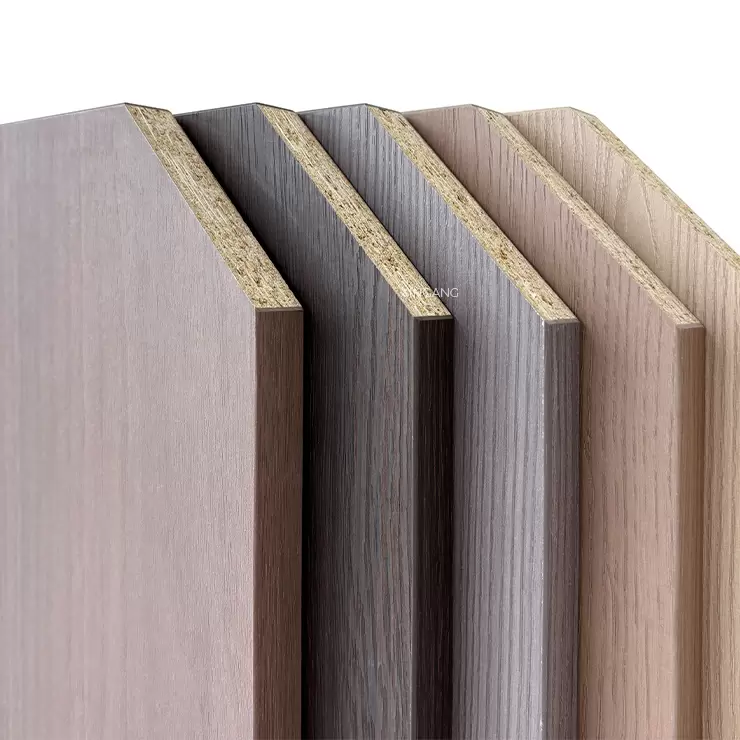
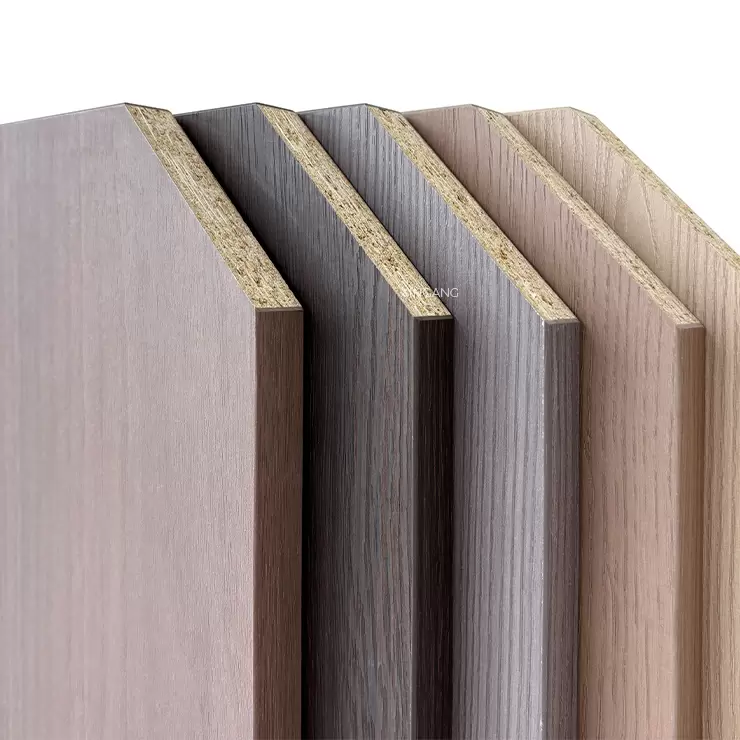
Known for its balanced mechanical performance and refined natural appearance, birch veneer furniture board has become a preferred material for furniture brands seeking both aesthetic quality and manufacturing efficiency.
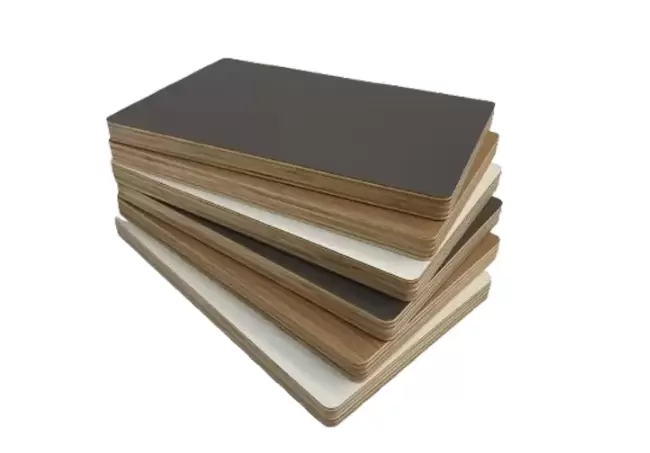
As global markets place greater emphasis on environmental compliance and healthy indoor living environments, manufacturers are also paying closer attention to adhesive technology, formaldehyde emissions, and sustainable production standards.
Birch veneer offers several structural and visual advantages compared with many conventional decorative wood veneers.
The wood grain is typically fine and uniform, with a smooth surface texture that performs well in both natural finish and coated applications.
For furniture manufacturing, this provides several important benefits:
Compared with lower-density veneer materials, birch veneer also demonstrates relatively stable dimensional behavior under temperature and humidity fluctuation.
This characteristic is especially important for furniture applications exposed to changing indoor climates.
Modern furniture manufacturing increasingly depends on CNC machining, automated edge banding, and precision drilling systems.
If board flatness is inconsistent, manufacturers may encounter:
High-quality birch veneer furniture board typically maintains tighter flatness tolerance during production.
Stable board geometry improves:
For modular furniture systems and customized cabinetry, dimensional stability directly affects installation accuracy and product appearance.
While the veneer layer influences appearance, the core structure determines the board’s long-term durability.
Low-quality core materials may lead to:
Premium birch veneer furniture boards usually combine high-density core structures with balanced veneer layering to improve mechanical stability.
Stable core performance is especially important for:
Furniture exposed to continuous mechanical loading requires boards capable of maintaining structural integrity over extended service life.
Global furniture markets are placing much stricter requirements on indoor air quality and environmentally friendly materials.
Traditional wood adhesives may release:
These emissions increasingly affect export compliance and indoor health standards.
Shandong Xingang Group has invested heavily in environmentally friendly biomimetic adhesive technology.
Its biomimetic adhesive system is designed with:
This technology has already been applied across multiple board products including decorative panels, ultra-thin MDF, and marine plywood systems.
For furniture manufacturers exporting to Europe, North America, and high-standard residential markets, low-emission material technology is becoming a major competitive advantage.
Furniture materials are increasingly evaluated not only by appearance and durability, but also by hygiene performance.
Commercial spaces such as:
now prioritize cleaner and safer interior materials.
Xingang’s biomimetic board technology incorporates antibacterial and antiviral characteristics, helping improve indoor environmental quality.
This creates additional application opportunities in health-conscious interior environments.
Moisture exposure remains one of the most common causes of furniture material failure.
In kitchens, bathrooms, coastal regions, and humid climates, low-quality boards may experience:
Birch veneer furniture board with stable adhesive systems and controlled manufacturing processes offers improved moisture resistance compared with conventional low-density panels.
This improves long-term dimensional stability in variable environmental conditions.
Furniture manufacturers increasingly require versatile surface finishing compatibility.
Birch veneer surfaces perform well with multiple finishing systems including:
The fine grain structure helps create smooth and visually consistent finishes across large furniture surfaces.
This is particularly important for modern minimalist furniture designs where surface consistency strongly influences perceived product quality.
Material machinability directly affects production efficiency.
High-quality birch veneer furniture board typically demonstrates:
This helps reduce tool wear and improve production line efficiency.
In automated furniture manufacturing environments, stable machining performance significantly lowers rejection rates and rework costs.
Global furniture markets are rapidly shifting toward sustainable material sourcing.
Consumers increasingly prefer furniture products made from:
Manufacturers that adopt greener board technologies are often better positioned for future international compliance standards and ESG-driven procurement requirements.
Xingang Group continues promoting environmentally responsible wood-based material development through innovation in green adhesive systems and sustainable decorative board manufacturing.
Birch veneer furniture board has become a preferred material in modern furniture manufacturing because it balances structural stability, decorative quality, machining precision, and environmental performance.
As furniture markets continue moving toward higher quality standards and healthier indoor environments, manufacturers are placing greater emphasis on low-emission materials, dimensional stability, moisture resistance, and sustainable production technology.
With environmentally friendly biomimetic adhesive innovation and advanced board manufacturing capabilities, Shandong Xingang Group continues supporting the development of healthier, more durable, and more sustainable furniture materials for global markets.