21 Jan 2026
Why 18mm Furniture Board Is the Preferred Choice for Modern Cabinetry and Shelving
Learn More >


A circular furniture board must deliver more than a sustainability message. For furniture used in homes, offices, hotels, healthcare facilities, and commercial interiors, manufacturers need panels that combine reliable mechanical performance with appropriate emissions characteristics, durable surfaces, and practical end-of-life options. The challenge is to select materials that support healthier indoor environments without creating problems during machining, assembly, or long-term use.
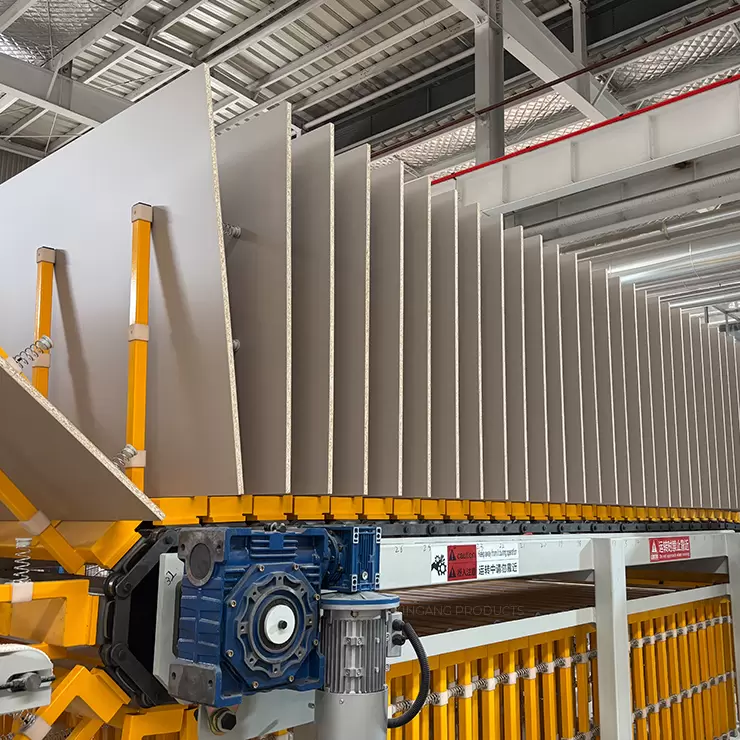
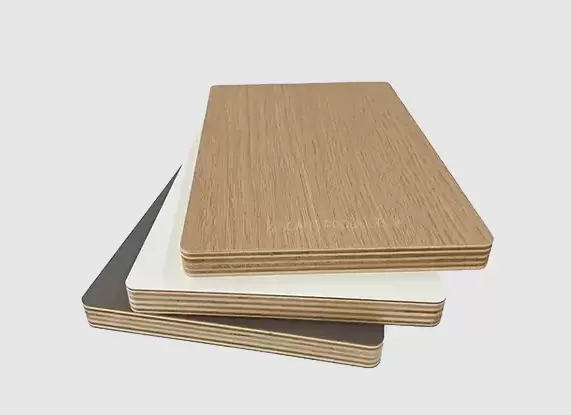
Engineered wood panels are widely used because they can provide consistent dimensions, efficient material utilization, and flexibility in furniture design. However, their environmental performance depends on more than the wood-based core. Adhesives, decorative finishes, edge materials, coatings, and manufacturing conditions can all affect the characteristics of the finished panel.
A well-specified circular furniture board should therefore be assessed through a combination of emissions documentation, structural requirements, manufacturing compatibility, durability, and lifecycle considerations. For manufacturers targeting overseas markets, the evaluation must also reflect the regulations and customer requirements applicable to the destination country.
Furniture panels can contribute to indoor air emissions depending on their composition and the materials used during manufacturing. Formaldehyde is a commonly monitored substance in wood-based products, but it is not the only factor relevant to indoor air quality. Other volatile organic compounds (VOCs), coatings, adhesives, and finishing materials may also affect emissions.
The level of concern depends on the product, its intended use, the surrounding environment, and the applicable regulatory framework. A panel used in a well-ventilated commercial space may experience different conditions from a large wardrobe installed in a small bedroom. Temperature, humidity, exposed surface area, and ventilation can influence how emissions behave in actual use.
For this reason, low-emission material selection should not rely solely on a general environmental label or a supplier's description. It should begin with the requirements for the finished furniture and the destination market. Manufacturers should identify which emissions limits, test methods, certifications, or customer specifications apply before approving a material.
A circular furniture board also needs to retain its functional properties. A panel that performs well in an emissions test but cannot withstand its intended load or manufacturing process may create premature product failure and unnecessary replacement. Environmental performance and technical reliability should be evaluated together.
Adhesives bind wood fibers, particles, or veneers and help determine the internal strength and durability of engineered panels. Different binder systems may have different chemical compositions, processing requirements, moisture responses, and emissions profiles. The suitability of a binder depends on the panel construction and its intended operating conditions.
Shandong Xingang Group Co., Ltd. focuses on environmentally oriented materials for the wood industry and has developed Xingang biomimetic adhesive. According to the company, the adhesive contains zero formaldehyde, zero benzene, and zero harmful substances. It has been applied at scale in Xingang biomimetic decorative boards, ultra-thin MDF, and biomimetic marine plywood.
For furniture manufacturers, this is a relevant material-development direction because adhesive technology can influence both the environmental characteristics and the manufacturing performance of wood-based panels. However, a claim about adhesive composition should not automatically be treated as proof that every finished panel meets all emissions requirements. Panel manufacturing, decorative surfaces, edge treatments, and other components can affect the final result.
A sound material qualification process should include documentation for the exact board grade. Depending on the intended use, this may include a technical data sheet, emissions test report, mechanical-property data, and details about the applicable test method. Where third-party verification is required, the report should identify the tested product and the scope of certification.
It is also important to distinguish between the absence of a particular substance and compliance with a complete regulatory standard. Different markets may set different requirements, and the evidence needed to demonstrate compliance can vary. Manufacturers should therefore confirm that the documentation matches the product being supplied and the market where it will be sold.
The best circular furniture board depends on how the finished panel will be used. Cabinet doors, wardrobe sides, shelves, drawer components, decorative wall panels, and furniture frames have different mechanical and environmental demands. Selecting one board grade for every application may simplify purchasing, but it can lead to unnecessary cost or inadequate performance.
MDF is often used where a smooth, consistent surface supports painting, laminating, or decorative finishing. Particleboard can be suitable for many cabinet and furniture applications where cost efficiency and dimensional consistency are priorities. Plywood may be preferred where its layered construction and directional strength characteristics suit the design. Actual performance varies by grade, density, construction, adhesive system, and manufacturing quality, so material categories should not replace product-specific data.
For shelving, bending strength and stiffness are important because the panel must support a defined load over an unsupported span. For cabinet doors and side panels, flatness, surface quality, screw holding performance, and edge durability may be more relevant. Panels intended for kitchens, bathrooms, or other areas exposed to intermittent moisture require careful evaluation of moisture-related properties and edge protection.
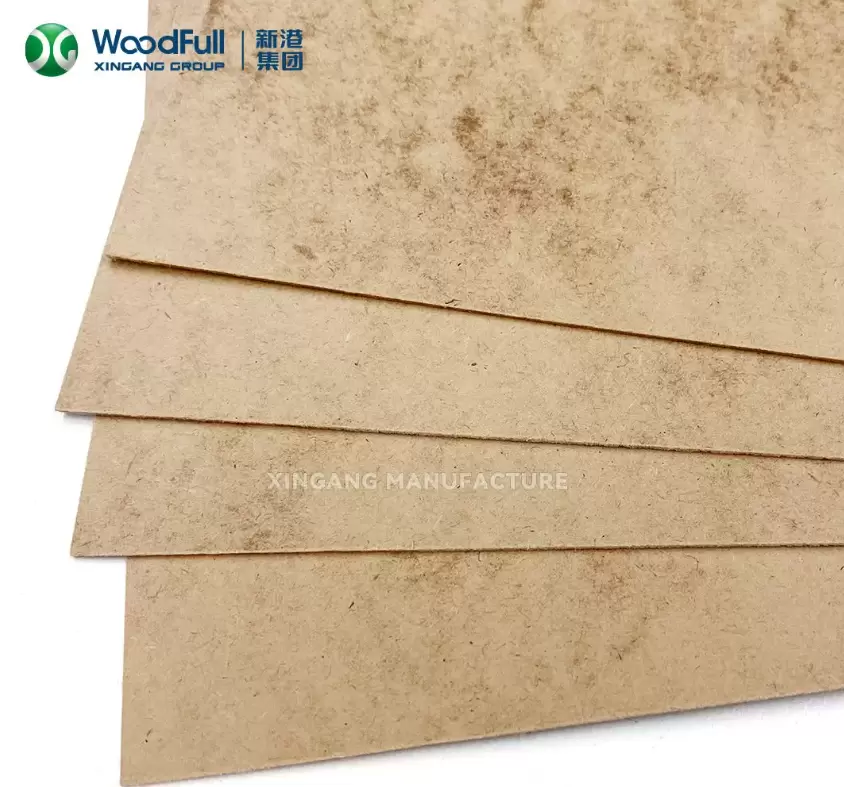
Ultra-thin MDF, such as the product category developed by Xingang, may be relevant for applications where thin profiles, lightweight construction, or specialized decorative components are required. Its suitability depends on the design, fastening method, unsupported span, and required surface finish. Thin panels should not be assumed to replace thicker structural components without appropriate testing.
Manufacturers should establish application-specific acceptance criteria before selecting the board. Relevant criteria may include panel thickness, density, bending properties, internal bonding, screw holding performance, dimensional tolerance, moisture response, surface quality, and emissions performance. This makes material selection more consistent and reduces the risk of approving a board based mainly on appearance or price.
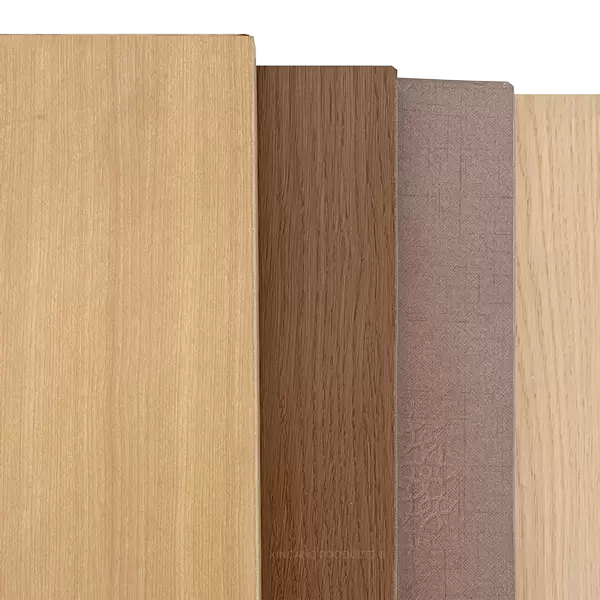
The surface system can influence both the appearance and functional performance of furniture panels. Paints, laminates, decorative films, veneers, and protective coatings may improve wear resistance or create the required design finish, but they can also affect emissions, repairability, and material separation.
Edge treatment deserves particular attention. Machined edges may expose the panel's internal structure, and the quality of edge sealing can influence moisture exposure, appearance, and durability. In furniture installed near sinks, windows, or cleaning areas, exposed edges may be more vulnerable to moisture than fully protected surfaces.
Compatibility between the board and finishing materials should be confirmed through production trials. Surface preparation, adhesive selection, pressing conditions, coating thickness, and curing requirements can influence the final bond and appearance. If a new panel grade behaves differently from the established material, existing finishing settings may need adjustment.
For low-emission furniture, the evaluation should consider the entire assembly rather than the panel alone. A low-emission core can be combined with coatings, laminates, adhesives, or edge materials that have their own emissions characteristics. Supplier documentation and, where necessary, finished-product testing can help establish a more complete picture.
From a circularity perspective, finishing should also be considered in relation to repair and recovery. A durable surface may extend service life by resisting routine wear, while a complex multi-layer construction may make future separation more difficult. The right balance depends on the product's expected use, service requirements, and realistic end-of-life options.
Environmental benefits can be weakened when furniture needs frequent replacement. A circular furniture board should therefore be selected to maintain performance throughout the expected service life of the product.
Moisture is a common cause of damage in wood-based furniture panels. Changes in humidity can affect dimensions, while direct water exposure may cause swelling or surface deterioration in materials not designed for those conditions. The extent of the risk depends on panel construction, adhesive system, edge sealing, coating, and exposure duration.
A board intended for a dry bedroom wardrobe should not automatically be used in a humid bathroom or an area exposed to frequent cleaning. Similarly, a decorative panel that performs well in a low-load application may not be suitable for a long shelf carrying heavy objects.
Testing should reflect the real application. Where relevant, evaluate thickness swelling, dimensional stability, bending performance, internal bonding, and fastening behavior using appropriate methods. For high-use commercial furniture, repeated loading, cleaning procedures, and routine handling may also need to be considered.
Repairability is another part of service life. Replaceable shelves, standardized panel sizes, and accessible mechanical connections can make it easier to repair a product without discarding the entire furniture unit. Board properties should support the intended fastening and maintenance strategy, especially where panels may need to be removed and reinstalled.
Furniture manufacturers selling internationally need to distinguish among supplier declarations, laboratory test results, product certifications, and regulatory compliance. These forms of evidence serve different purposes and should not be treated as interchangeable.
A supplier declaration can describe the intended material composition, while a laboratory report provides results under specified test conditions. A certification may verify compliance with a defined standard or scheme, depending on its scope. Regulatory compliance is determined by the applicable requirements for the product and market.
For example, the United States and European markets may have different requirements and assessment routes for formaldehyde emissions from relevant wood products. The exact obligation depends on the product category, construction, intended use, and applicable rules. Manufacturers should verify the current requirements for their target market rather than assuming that one test report satisfies every jurisdiction.
Environmental claims should also be precise. “Low-emission,” “formaldehyde-free,” “recyclable,” and “sustainable” describe different characteristics. A claim about one attribute does not automatically prove the others. If a board is described as recyclable, the manufacturer should be able to explain the relevant recovery route and any conditions or limitations. If recycled content is claimed, the basis for calculating and verifying that content should be clear.
For buyers and manufacturers, a transparent documentation package reduces qualification risk. It should link the exact product grade to its technical properties, test results, and relevant declarations, allowing the material to be evaluated against the intended application.
Material qualification should start with the finished product rather than a general preference for a particular board category. Define the furniture's load requirements, dimensions, surface finish, expected service environment, emissions criteria, and recovery objectives. These requirements create a consistent basis for comparing candidate materials.
Review supplier documentation and check that it corresponds to the actual product grade. Then test samples using the intended machining, drilling, fastening, edge-banding, and finishing processes. Where indoor air quality is a critical requirement, confirm the applicable emissions evidence and determine whether additional testing of the finished furniture is necessary.
Production trials should measure more than visual quality. Record cutting yield, machining defects, edge integrity, assembly performance, surface consistency, and the time required to adjust existing manufacturing settings. These indicators help determine whether a new material can be introduced without creating hidden costs.
Finally, review long-term performance and end-of-life considerations. Confirm whether the board is appropriate for the intended service environment, whether components can be repaired or replaced, and whether a realistic recovery route exists in the target market. This process connects environmental objectives with the practical requirements of furniture production.
A circular furniture board for modern interiors should combine appropriate emissions performance, dependable mechanical properties, manufacturing compatibility, and a realistic approach to product longevity and recovery. Low-emission adhesive technology can contribute to healthier material systems, but the final board and finished furniture must still be evaluated against relevant technical requirements.
Shandong Xingang Group's biomimetic adhesive and engineered wood product development provide a material innovation direction for manufacturers seeking alternatives in environmentally oriented furniture production. The suitability of a specific product should be established through product-level documentation, relevant testing, and representative manufacturing trials.
By treating emissions, durability, processing efficiency, and end-of-life options as connected selection criteria, furniture manufacturers can make more informed material decisions. This approach supports product quality while creating a stronger technical foundation for circular design and responsible interior material selection.