17 Mar 2026
Top Benefits of Using Marine Plywood Decking for Long-Lasting Outdoor Surfaces
Learn More >


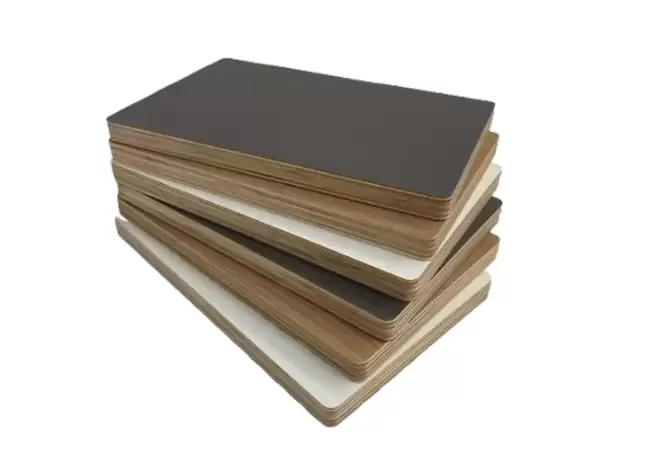
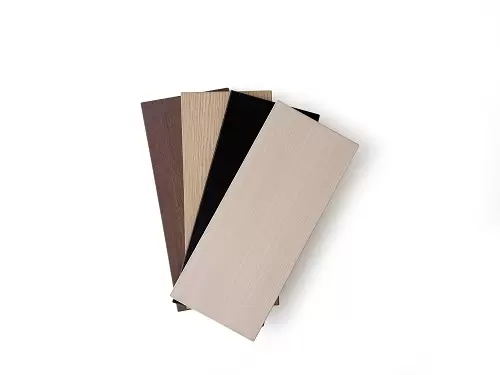
As furniture manufacturing moves toward greater automation, customized production, and stricter environmental standards, the requirements for wood veneer furniture board continue to increase. Manufacturers are no longer looking only for attractive wood grain. They need panels that deliver consistent machining performance, stable dimensions, reliable bonding strength, and low-emission materials throughout the production cycle.
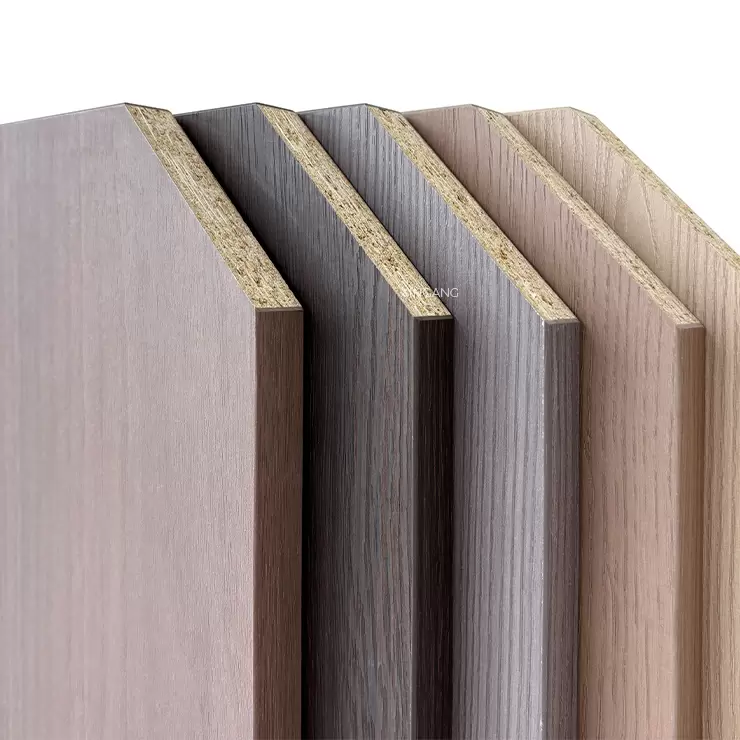
For modern furniture factories, production efficiency is closely linked to material consistency. Even small variations in veneer thickness, panel density, or adhesive quality can increase CNC errors, reduce coating quality, and create assembly problems during mass production. As a result, the engineering behind a wood veneer furniture board has become just as important as its decorative appearance.
Natural wood veneer preserves the texture and character of solid timber while dramatically improving material utilization. However, successful veneering depends on much more than attaching a thin wood layer to a substrate.
The manufacturing process begins with careful veneer preparation. Veneers are selected according to grain pattern, color consistency, moisture content, and thickness. Industrial furniture production typically uses veneer thicknesses ranging from 0.3 mm to 0.6 mm, providing sufficient sanding allowance while maintaining excellent flexibility during pressing.
Before lamination, veneer moisture is carefully controlled, generally within 8%–12%, to minimize internal stress after hot pressing. Excess moisture may generate steam during pressing, leading to blistering or localized delamination. Insufficient moisture, on the other hand, increases brittleness and the likelihood of cracking during machining.
The quality of the veneer preparation stage largely determines the visual consistency of the finished furniture panel.
Although veneer attracts the most attention, the substrate determines most of the mechanical properties of a wood veneer furniture board.
Plywood provides excellent structural strength because its cross-laminated construction distributes stress evenly in multiple directions. It offers strong screw-holding performance and high resistance to deformation, making it suitable for wardrobes, office furniture, and structural cabinet systems.
Medium-density fiberboard (MDF) offers exceptional surface flatness and uniform density, allowing manufacturers to achieve highly consistent painting results and precision CNC routing. Decorative wall panels, luxury cabinets, and modern furniture often benefit from MDF's smooth surface characteristics.
Particleboard remains an economical option for modular furniture where cost efficiency is important while still maintaining acceptable dimensional stability for indoor applications.
Selecting the appropriate substrate according to product function helps optimize both manufacturing cost and long-term durability.
Bonding technology is one of the most overlooked aspects of engineered wood products.
A furniture panel experiences repeated mechanical loading throughout its life, including transportation, machining, assembly, installation, and daily use. The adhesive layer must continuously absorb stress generated by temperature and humidity changes while maintaining permanent bonding between the veneer and substrate.
Traditional adhesive systems often present manufacturers with a difficult compromise between bonding performance and environmental compliance.
Shandong Xingang Group has addressed this challenge by developing its proprietary bio-inspired adhesive technology, which contains zero added formaldehyde, zero benzene, and zero harmful substances. Beyond reducing indoor emissions, this technology has been successfully applied in decorative panels, ultra-thin MDF, and marine plywood, demonstrating its capability across demanding industrial applications.
The combination of environmental safety and stable bonding performance supports furniture manufacturers targeting increasingly stringent international regulations.
Hot pressing is the stage where separate materials become a unified engineered panel.
Industrial pressing parameters generally include temperatures between 110°C and 140°C, carefully controlled pressure, and optimized pressing time based on veneer species, substrate density, and adhesive formulation.
Excessive pressure may squeeze too much adhesive from the bonding interface, reducing bond strength. Insufficient pressure can leave microscopic gaps between veneer and substrate, eventually causing surface lifting after repeated environmental exposure.
Modern pressing systems continuously monitor pressure distribution across the entire panel surface to ensure consistent bonding, especially for large-format furniture boards where uneven pressure can create visible defects after finishing.
Uniform pressing also improves sanding efficiency by minimizing thickness variation across production batches.
Automation has significantly increased the precision requirements of furniture materials.
Today's CNC machining centers, edge banding systems, and automated drilling equipment depend on highly consistent panel dimensions. Even slight variations can create cumulative assembly errors in high-volume production.
For example, a panel thickness variation of ±0.15 mm may appear insignificant, but across hundreds of cabinet components it can affect drilling depth, connector alignment, and edge banding consistency.
High-quality wood veneer furniture boards undergo strict calibration and sanding processes to maintain uniform thickness and density, ensuring stable machining performance from the first panel to the last.
This consistency reduces machine adjustment time while improving production efficiency and reducing material waste.
Furniture panels are exposed to a wide variety of daily conditions, including sunlight, humidity, cleaning chemicals, and mechanical abrasion.
Surface durability depends on both the veneer itself and the stability of the underlying composite structure.
When the bonding layer remains stable, the veneer maintains its natural appearance without developing bubbles or cracks. A dimensionally stable substrate also prevents internal stress from transferring to the decorative surface.
Many premium furniture manufacturers combine natural veneer with advanced UV coatings or polyurethane finishing systems to improve scratch resistance, stain resistance, and color retention while preserving the authentic texture of real wood.
This approach enables natural wood aesthetics to coexist with modern durability requirements.
Global furniture brands increasingly evaluate building materials based on both environmental performance and supply chain sustainability.
Consumers are paying closer attention to indoor air quality, while regulations continue to limit emissions from wood-based panels.
Reducing harmful emissions without sacrificing manufacturing performance has therefore become a major competitive factor.
Shandong Xingang Group's investment in environmentally friendly engineered wood materials reflects this industry transition. Its bio-inspired adhesive technology not only eliminates traditional harmful additives but also contributes to healthier living environments through antibacterial and antiviral performance.
For manufacturers serving premium residential projects, hospitality interiors, educational facilities, and healthcare environments, sustainable material selection has become an important part of product value rather than simply a compliance requirement.
A high-performance wood veneer furniture board combines advanced veneer processing, carefully selected substrates, precision pressing, environmentally friendly adhesive technology, and rigorous manufacturing control into a single engineered product.
Every stage of production influences furniture quality, from veneer moisture control and bonding strength to dimensional consistency and surface durability. As furniture manufacturers continue pursuing higher efficiency, improved environmental performance, and longer product life, engineered wood materials must deliver reliable performance throughout the entire manufacturing process.
With its continuous innovation in green wood materials and proprietary bio-inspired adhesive technology, Shandong Xingang Group provides wood veneer furniture board solutions that balance natural aesthetics, structural reliability, sustainable manufacturing, and consistent industrial performance for global furniture production.