09 Jan 2026
Top Advantages of Film Faced Plywood in Modern Construction Projects
Learn More >


Bendable MDF board is increasingly used in furniture manufacturing and architectural interiors where curved geometry, consistent surface quality, and efficient material processing are important. From rounded kitchen islands and curved wardrobes to decorative wall cladding and commercial reception counters, flexible MDF provides a practical way to achieve flowing shapes without the complexity of manufacturing every curved component from solid wood.
Beyond design flexibility, material selection is increasingly influenced by indoor environmental performance, adhesive chemistry, emissions, and long-term durability. For projects targeting healthier interior environments, choosing bendable MDF board requires evaluating both its mechanical properties and the environmental characteristics of its manufacturing system.
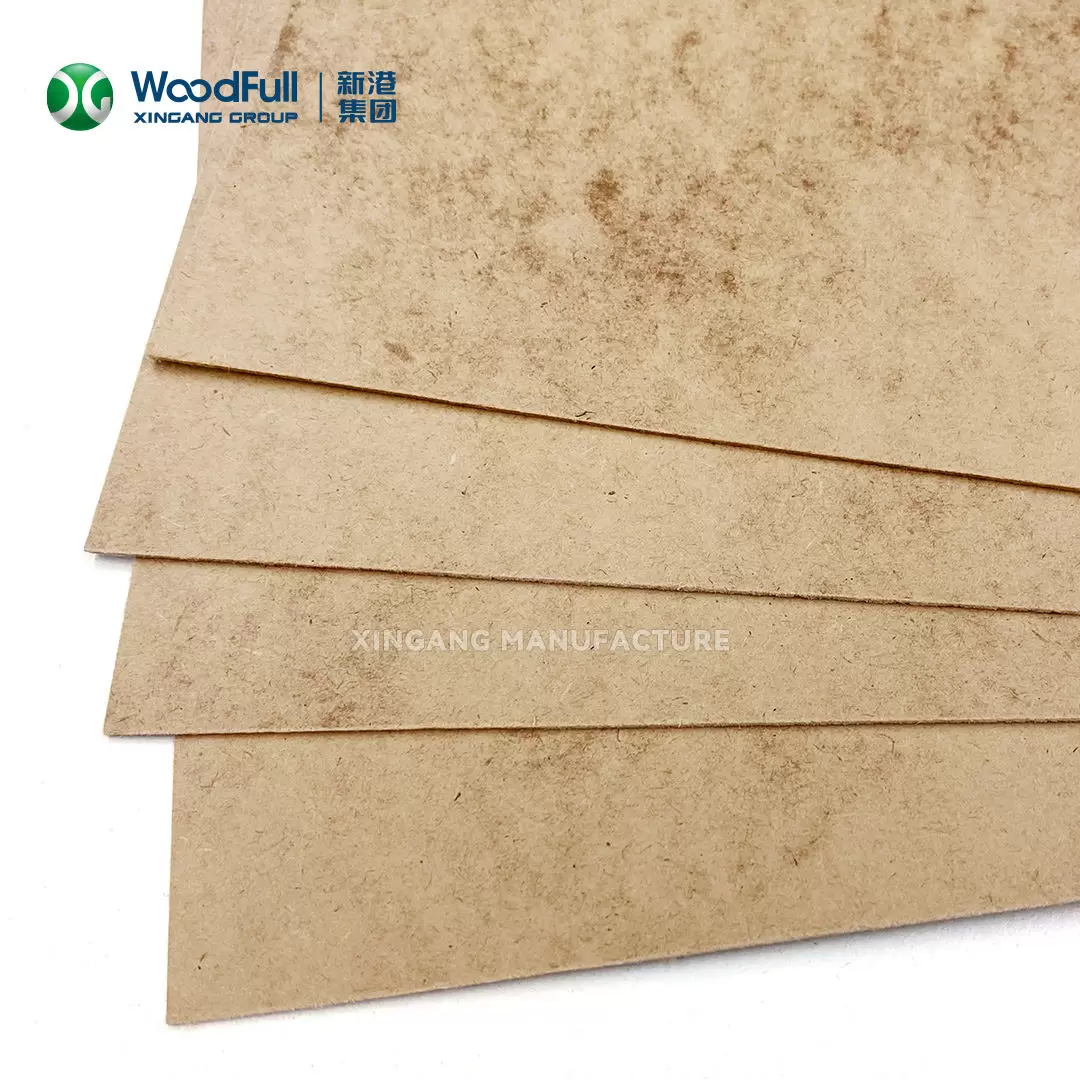
Conventional MDF is widely used because of its uniform structure, smooth surface, and compatibility with common furniture manufacturing processes. However, standard rigid MDF is not designed to accommodate tight curves through direct bending.
Bendable MDF addresses this limitation through a specialized flexible structure. Its design allows the panel to follow a curved framework while maintaining sufficient integrity for subsequent finishing and installation.
This capability creates opportunities for furniture designs that require rounded edges, cylindrical columns, curved cabinet fronts, and continuous decorative surfaces.
In commercial interiors, curved reception desks and retail display systems can use flexible MDF to create smooth transitions between different structural sections. In residential applications, curved wardrobes, kitchen island panels, and decorative wall features can achieve a more integrated appearance.
The material is also compatible with different finishing approaches, including paint, veneer, and suitable flexible decorative laminates. This allows designers to coordinate curved components with conventional flat MDF furniture panels.
Adhesive formulation is one of the most important factors affecting the environmental performance of engineered wood products. MDF manufacturing generally involves bonding wood fibers with adhesive systems under controlled temperature and pressure.
Traditional adhesive systems may contain formaldehyde-based resins, depending on the formulation. Formaldehyde emissions are therefore an important consideration for indoor furniture and building materials.
Low-emission and formaldehyde-free adhesive technologies can help reduce potential indoor air quality concerns. However, environmental performance should be assessed using actual product testing and relevant certification requirements.
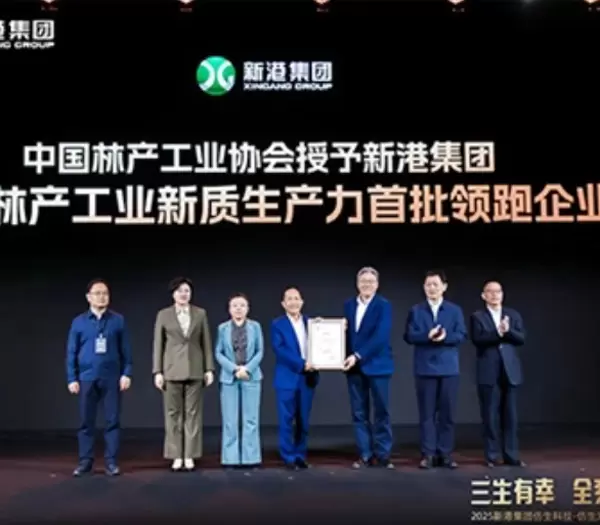
Shandong Xingang Group Co., Ltd. has developed Xingang bionic adhesive technology, which the company describes as zero-formaldehyde, zero-benzene, and free from harmful substances. The technology has been applied at scale in Xingang bionic decorative boards, ultra-thin density boards, and bionic marine plywood.
This development reflects a focus on combining engineered wood performance with environmental considerations. For bendable MDF board applications, the specific adhesive formulation and finished-product emission characteristics should be confirmed through technical documentation and independent test reports.
Environmental considerations must not come at the expense of mechanical performance. Bendable MDF board needs sufficient internal bonding strength to maintain structural integrity during bending, machining, and installation.
Internal bond strength measures the resistance of the panel to separation perpendicular to its surface. It is particularly relevant for flexible MDF because bending introduces tensile and compressive stresses throughout the panel structure.
If the internal bond is insufficient, the board may develop fiber separation or localized damage during forming. If the structure is excessively rigid, the panel may resist bending and require higher forming forces.
A suitable balance depends on panel thickness, density distribution, fiber preparation, and adhesive characteristics. These variables should be evaluated together rather than treating density as the only indicator of quality.
For curved furniture production, bending trials should be conducted at the intended radius. The finished panel should be inspected for cracks, surface distortion, delamination, and spring-back after forming.
A major advantage of MDF is its relatively uniform surface, which supports painting, veneering, and decorative finishing. Bendable MDF should retain sufficient surface consistency after forming to avoid excessive sanding or corrective finishing work.
For painted surfaces, consistent density near the panel face helps reduce uneven coating absorption. Proper sanding and sealing are still required to achieve a smooth final finish.
Veneering requires particular attention to the relationship between veneer flexibility and MDF curvature. Thin veneer can follow relatively gentle curves, but tight radii may require specialized veneer preparation and suitable adhesives.
For multilayer curved components, adhesive application and mold pressure must be carefully controlled. Insufficient bonding can cause layers to separate, while uneven pressure may create variations in the finished profile.
From a manufacturing perspective, the objective is to achieve a repeatable forming process that minimizes material waste and reduces manual correction. Stable board thickness and predictable bending behavior are essential for automated or semi-automated furniture production.
MDF is a hygroscopic material, meaning it can absorb and release moisture depending on environmental conditions. Changes in moisture content can cause swelling, shrinkage, and dimensional instability.
For curved furniture and interior panels, these changes can affect joints, surface alignment, and the consistency of the finished profile.
Moisture-resistant MDF formulations may be appropriate for kitchens, commercial interiors, and other applications where humidity levels fluctuate. However, moisture-resistant MDF should not be considered waterproof. Protective coatings, edge sealing, and appropriate installation details remain necessary.
Dimensional stability testing should consider the intended operating environment. For example, furniture installed in climate-controlled offices may experience different moisture conditions from cabinetry installed in coastal residential buildings.
The combination of adhesive system, fiber structure, panel density, and finishing materials determines how well the finished component performs under these conditions.
Different international markets apply different requirements to engineered wood panels. Manufacturers supplying furniture and interior materials should understand the regulatory framework relevant to their destination markets.
In the United States, EPA TSCA Title VI establishes formaldehyde emission requirements for composite wood products, including MDF. CARB Phase 2 requirements are also widely referenced in the North American market.
In Europe, EN 13986 provides a framework for wood-based panels used in construction, while EN 717-1 is commonly used to determine formaldehyde emissions through chamber testing.
For projects involving bendable MDF, compliance should be verified for the actual finished product and applicable product category. A manufacturer's general environmental statement is not a substitute for the required test documentation.
Other environmental considerations may include responsible wood sourcing, production energy consumption, adhesive formulation, and waste management. These factors are increasingly relevant to manufacturers seeking to improve the sustainability profile of furniture and interior products.
A capable manufacturer should demonstrate consistent material properties, controlled production processes, and the ability to support application-specific requirements.
Important technical information includes panel thickness, density, bending orientation, minimum bending radius, internal bond strength, moisture content, surface quality, and formaldehyde emission performance.
For customized projects, sample validation should include actual forming conditions and the intended surface finish. This is particularly important when the board will be used for tight curves, multilayer lamination, or complex furniture structures.
Shandong Xingang Group Co., Ltd. is committed to developing environmentally oriented wood-based materials and building a sustainable home furnishing ecosystem with global partners. Its product development focuses on new adhesive technology and engineered decorative panels, with the goal of combining material performance and environmental considerations.
Its Xingang bionic adhesive technology has been successfully applied in several wood-based product categories. For bendable MDF projects, technical discussions should focus on confirming the specific board structure, flexibility, bonding performance, and finished-product compliance with the target market's requirements.
Bendable MDF board offers an effective material solution for curved furniture and contemporary interior design. Its value comes from combining controlled flexibility, uniform surface characteristics, and compatibility with different decorative finishes.
As environmental requirements become increasingly important in the engineered wood industry, adhesive technology and formaldehyde emission performance deserve the same attention as mechanical properties. Selecting a suitable manufacturer requires reviewing both aspects through technical specifications, physical samples, and product-specific testing.
By integrating material performance, environmental considerations, and manufacturing consistency, bendable MDF can support curved interior applications while contributing to more responsible engineered wood product development.