10 Jun 2026
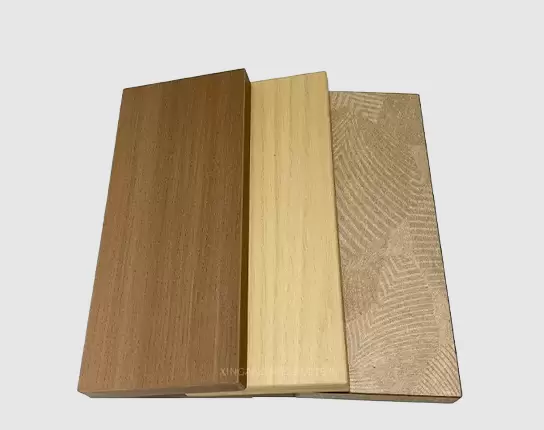
Why Wide Furniture Board Is Transforming Large-Scale Cabinet and Interior System Manufacturing
Learn More >


A color MDF board offers furniture manufacturers a practical combination of a smooth fiberboard substrate and a decorative colored finish. It can be used in wardrobes, kitchen cabinets, office furniture, shelving, retail displays, and interior wall systems. Its suitability, however, depends on how well the board's substrate, surface finish, thickness, and environmental properties match the demands of the finished product.
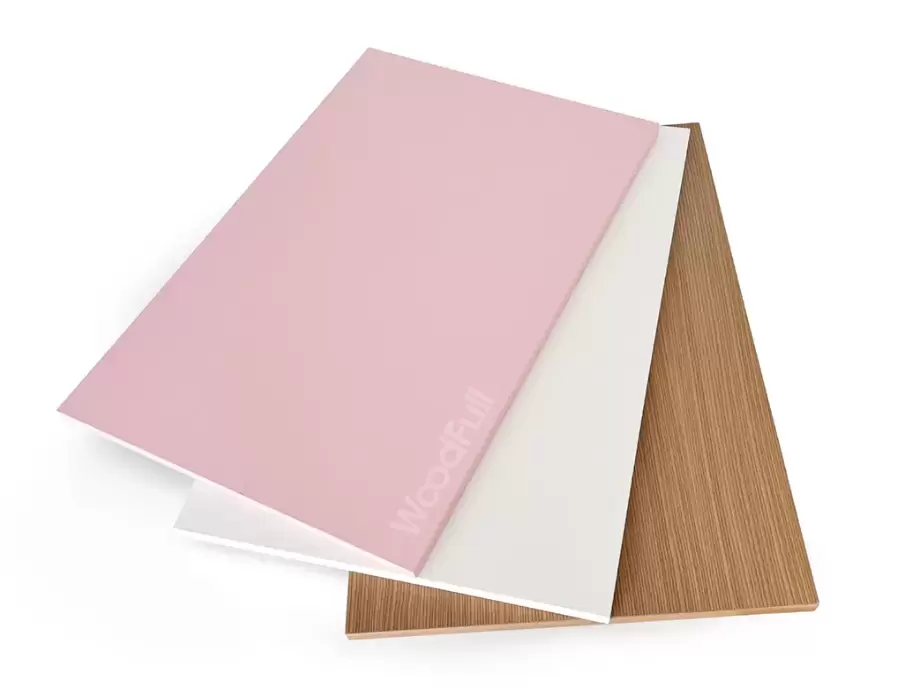
Choosing a color MDF board based only on appearance can lead to problems during machining, assembly, transportation, or long-term use. A more reliable selection process considers the complete furniture application, from panel dimensions and edge treatment to cleaning conditions and expected service life.
Furniture components perform different functions, so they do not necessarily require the same board specifications.
A cabinet door requires a stable panel with a consistent decorative surface. Its appearance is especially important because the front face remains visible during daily use. Wardrobe side panels and partitions may place greater emphasis on dimensional stability, thickness consistency, and mechanical performance.
Shelving components must also be selected according to their span and expected loading. A board that performs adequately as a decorative back panel may not provide sufficient stiffness for a long shelf carrying heavy objects.
Color MDF board selection should therefore begin with the component's structural role. Panel thickness, support spacing, loading conditions, and fixing methods should be considered together rather than relying on a general assumption that one thickness suits every application.
The decorative surface directly affects the appearance and maintenance requirements of furniture. Matte, semi-gloss, and high-gloss finishes create different visual effects and may have different resistance characteristics.
Matte surfaces are often selected for contemporary furniture designs where reflections need to be limited. High-gloss finishes provide a more reflective appearance but may make fingerprints, scratches, and surface imperfections more noticeable.
The actual durability depends on the surface material and finishing process. Buyers should not assume that all colored MDF surfaces have the same resistance to abrasion, impact, stains, or household cleaning products.
For frequently used furniture, such as kitchen cabinet doors, office desks, and retail counters, surface performance should be tested under conditions that reflect actual use. Relevant evaluations may include scratch resistance, abrasion resistance, stain resistance, and cleaning compatibility.
The cleaning method also matters. A surface may tolerate ordinary wiping but become damaged by aggressive solvents or abrasive cleaning tools. Maintenance recommendations should therefore be consistent with the finish manufacturer's instructions.
One of the main advantages of MDF is its relatively uniform structure, which supports routing, drilling, and profile machining. This makes it suitable for furniture components requiring decorative edges, recessed details, and precise hardware installation.
However, machining performance still depends on substrate quality and tool conditions. Dull cutting tools, incorrect feed rates, and unsuitable machining parameters can produce rough edges, chipping, or surface damage.
Edge treatment is particularly important because MDF edges are more exposed than the finished panel face. Depending on the design, manufacturers may use edge banding, paint, specialized coatings, or other finishing methods to protect the exposed substrate and improve appearance.
The selected edge treatment should be compatible with the board surface and the intended service environment. For furniture used in kitchens or other areas with occasional moisture exposure, edge sealing and joint protection deserve additional attention.
Before approving a color MDF board for production, a machining trial can reveal issues that are difficult to identify from a flat sample. The trial should include cutting, drilling, edge finishing, and hardware installation where relevant.
Moisture exposure is a major consideration when using MDF in interior furniture. Standard MDF is generally designed for indoor use under controlled conditions. Changes in humidity or direct contact with water may affect its dimensions and mechanical properties.
Kitchen cabinets are a useful example. Although the visible decorative surface may be easy to clean, water can enter through unprotected edges, joints, screw holes, and damaged areas. Once moisture reaches the substrate, swelling may occur depending on the board grade and exposure conditions.
For applications involving higher humidity, buyers should evaluate whether moisture-resistant MDF is required. They should also confirm the actual test performance rather than treating a decorative surface as proof of waterproof construction.
Good furniture design can further reduce moisture-related risks. Sealed edges, protected joints, appropriate hardware, and installation details all contribute to the service life of the finished product.
Indoor furniture materials are increasingly evaluated according to their environmental and emissions performance. Formaldehyde emissions are particularly relevant because furniture and interior panels may be installed in enclosed living or working spaces.
The adhesive system used in wood-based panels is one factor influencing emissions performance. Other factors include raw materials, manufacturing conditions, surface treatments, and the construction of the final furniture product.
Shandong Xingang Group Co., Ltd. focuses on environmentally oriented wood-based materials and has developed Xingang biomimetic adhesive, which the company describes as containing zero formaldehyde, zero benzene, and zero harmful substances. This adhesive has been applied at scale in Xingang biomimetic decorative boards, ultra-thin MDF, and biomimetic marine plywood.
For a specific color MDF board, environmental performance should be confirmed through documentation for the finished product. Buyers should review applicable emissions test reports, certification scope, and the exact product construction instead of assuming that the performance of one adhesive automatically applies to every board.
Color matching becomes more challenging when furniture components are manufactured in separate batches or supplied over an extended project period. Even small differences in decorative finish can become noticeable when adjacent panels are installed together.
A reliable color approval process should use physical samples and clearly documented references. Color should be evaluated under consistent lighting conditions, and the approved sample should be retained as a reference for subsequent orders.
For larger projects, manufacturers should also confirm whether the supplier can maintain consistent surface appearance across repeated production runs. Batch identification and production records make it easier to investigate differences if they occur.
When several furniture components use the same color MDF board, it is useful to consider how the surface finish will interact with edge banding, handles, metal frames, glass, and other materials. A successful design depends on the complete material combination, not only the board itself.
A color MDF board supplier should provide clear information about substrate type, density, thickness, dimensions, surface finish, color options, and applicable quality standards. Buyers should also confirm whether customized specifications and repeat orders can be supported.
For furniture manufacturing, the supplier's ability to maintain stable production quality is often as important as the initial sample. Consistent dimensions, reliable surface quality, appropriate packaging, and traceable batch information help reduce production interruptions.
A structured sample evaluation is recommended before bulk purchasing. The sample should be tested using the same cutting, drilling, edge treatment, and assembly methods planned for the actual furniture.
Color MDF board can support a wide range of furniture and interior applications, but its performance depends on the relationship between substrate quality, decorative finish, machining requirements, moisture management, and environmental properties.
By evaluating these factors before production, manufacturers can reduce material-related defects and achieve more consistent finished products. A well-selected color MDF board should meet both the visual requirements of the design and the practical demands of manufacturing and everyday use.