30 Oct 2025
Top Benefits of Using Melamine Plywood in Modern Interior Design
Learn More >


A color MDF board combines the dimensional stability and machinability of medium-density fiberboard with a decorative colored surface, making it suitable for furniture, cabinetry, wall panels, retail fixtures, and interior decoration. However, selecting the right color MDF board involves more than matching a color sample. Surface consistency, substrate density, thickness tolerance, bonding performance, moisture resistance, and edge quality all influence the finished product.
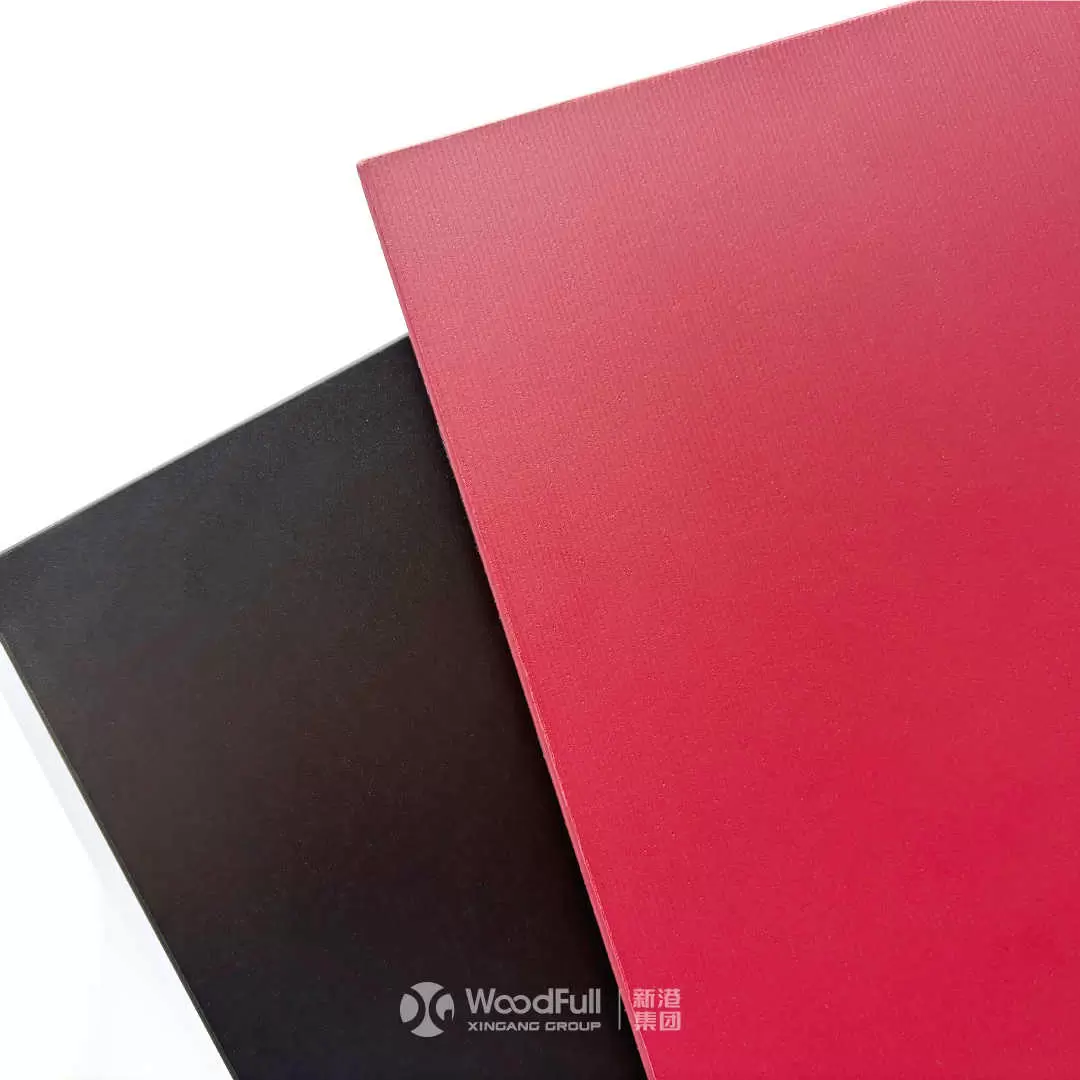
For manufacturers and interior material suppliers, these factors determine whether a board can move efficiently through cutting, drilling, edge treatment, and installation without creating unnecessary rework. Understanding the relationship between substrate properties and decorative surface performance helps ensure that the selected board meets both appearance and functional requirements.
MDF is manufactured by combining wood fibers with adhesive and forming them under controlled heat and pressure. The resulting panel has a relatively uniform internal structure, which makes it suitable for machining and decorative applications.
A color MDF board typically uses this fiberboard substrate with a colored decorative treatment. Depending on the product design, the color may be integrated into the board material or applied as a surface finish. These approaches produce different visual effects and performance characteristics.
A surface-colored board offers flexibility in decorative design, including solid colors, matte finishes, gloss finishes, and other customized appearances. Its performance depends partly on the coating or facing material and the bonding process. Color-integrated materials, where available, may offer a different approach to edge appearance and surface consistency.
When comparing products, it is important to clarify whether the color extends through the board or is limited to the surface. This distinction affects edge finishing, scratch visibility, repair options, and the visual result after cutting.
Color consistency is one of the most important quality requirements for decorative MDF. In furniture manufacturing, several boards may be installed side by side on cabinet doors, wardrobes, shelving systems, or wall panels. Even slight differences in shade or gloss can become noticeable under consistent lighting.
A reliable quality assessment should consider color deviation, surface smoothness, gloss uniformity, and visible defects. Buyers should request physical samples from the intended production batch rather than relying exclusively on digital images or screen-based color references.
Lighting conditions also matter. A color that appears neutral under daylight may look warmer or cooler under artificial lighting. For large interior projects, sample approval should ideally include evaluation under the lighting conditions expected in the finished space.
Surface defects such as pinholes, scratches, uneven coating, bubbles, and contamination can affect both appearance and downstream processing. A consistent inspection standard helps reduce the risk of receiving panels that technically meet basic dimensions but fail visual acceptance.
The MDF substrate determines much of the board's mechanical behavior. Density distribution, internal bonding, thickness tolerance, and surface hardness influence how the material performs during cutting and machining.
For furniture production, uniform density is particularly important. Significant variations across a panel can contribute to inconsistent screw-holding performance, edge machining quality, and dimensional stability. The actual density requirement should be selected according to the intended application rather than assuming that a higher density is always better.
Thickness selection also affects the finished structure. Thinner panels may be suitable for decorative inserts and lightweight components, while thicker panels are commonly considered for cabinet structures, shelving, and furniture components requiring greater rigidity. The appropriate thickness depends on panel dimensions, support spacing, loading conditions, and installation methods.
Before approving a color MDF board for mass production, manufacturers should evaluate cutting quality, edge integrity, drilling performance, and screw retention. These practical tests are more useful than judging the substrate by appearance alone.
Standard MDF is generally intended for controlled indoor environments. Exposure to high humidity, standing water, or repeated moisture changes can cause swelling and dimensional instability, depending on the board formulation and surface protection.
A decorative color finish does not automatically make an MDF substrate waterproof. Even when the front surface has good moisture resistance, cut edges, drilled holes, and unsealed joints may remain vulnerable.
For kitchens, bathrooms, commercial interiors, and other areas with elevated humidity, the substrate grade and edge protection should be evaluated carefully. Moisture-resistant MDF may be more appropriate where the application requires improved performance under humid conditions, but its actual resistance should be confirmed through relevant test data.
It is also important to consider the complete furniture assembly. Edge banding, adhesives, hardware installation, and joint design all influence long-term performance.
The selection criteria vary according to the final use.
In residential furniture, color consistency, surface durability, and machining quality are important for wardrobes, cabinets, desks, and storage systems. Matte finishes may be preferred where reflections need to be limited, while higher-gloss finishes can create a more reflective decorative appearance.
For retail displays and commercial interiors, appearance consistency across larger areas becomes especially important. Boards may need to maintain a uniform visual effect across multiple production batches and replacement components.
For wall panels and decorative installations, dimensional stability, panel flatness, color matching, and installation compatibility should receive particular attention. Where panels are exposed to frequent contact, surface scratch and abrasion resistance should also be evaluated.
Environmental performance is increasingly relevant in interior material selection. Formaldehyde emissions, adhesive composition, raw material sourcing, and manufacturing controls all influence the environmental profile of MDF products.
Shandong Xingang Group Co., Ltd. focuses on environmentally oriented wood-based materials and has developed Xingang biomimetic adhesive, which the company describes as containing zero formaldehyde, zero benzene, and zero harmful substances. The adhesive has been applied at scale in products including Xingang biomimetic decorative boards, ultra-thin MDF, and biomimetic marine plywood.
For color MDF board applications, buyers should distinguish between the properties of a particular adhesive system and the verified emissions performance of the finished panel. Product-specific test reports and applicable market certifications should be reviewed before making environmental claims or specifying materials for regulated projects.
A technical inquiry should cover the substrate type, thickness, panel dimensions, density requirements, surface finish, color reference, moisture-resistance grade, and intended processing method. Buyers should also confirm production tolerances, packaging protection, batch consistency, and the availability of product test documentation.
For customized projects, sample approval should take place before bulk production. A signed sample or approved color reference provides a practical basis for evaluating subsequent deliveries.
A color MDF board is not simply a decorative panel. Its performance depends on the relationship between substrate quality, surface treatment, environmental properties, and processing requirements. By evaluating these factors together, manufacturers can select materials that deliver consistent appearance and dependable performance throughout the furniture production process.