22 Oct 2025
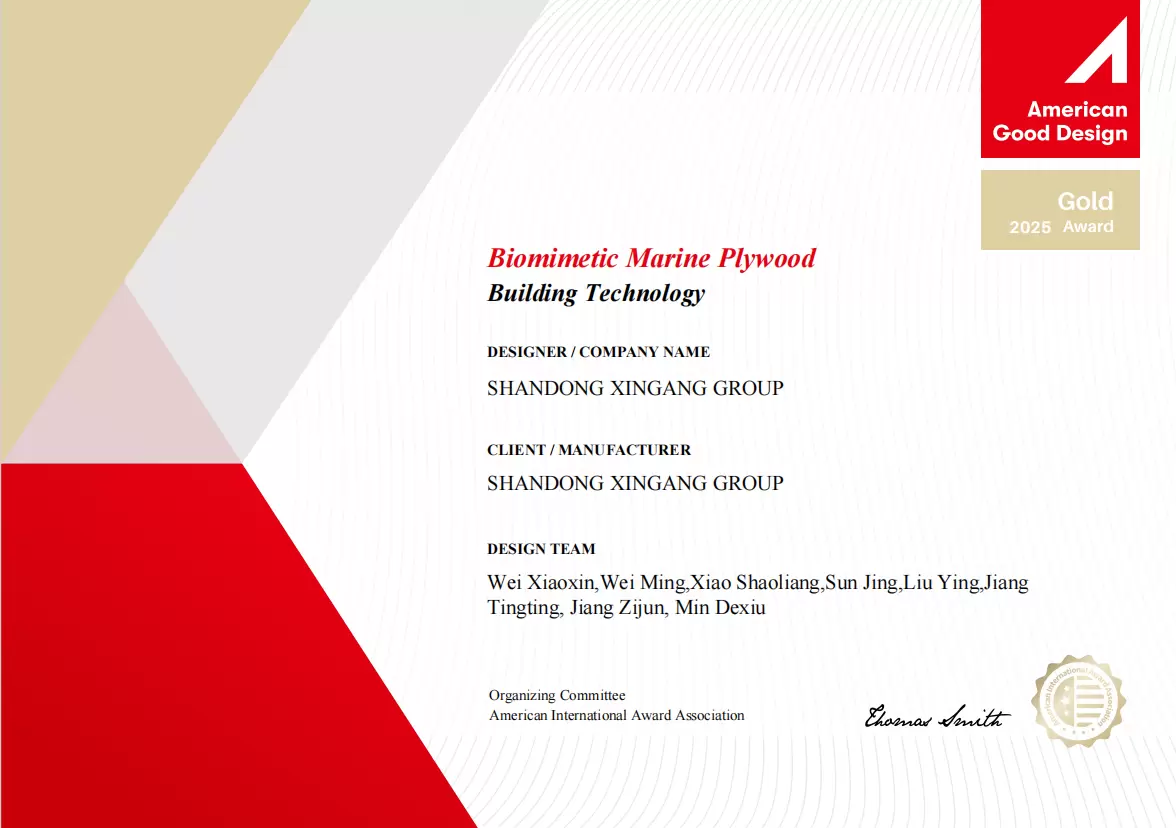
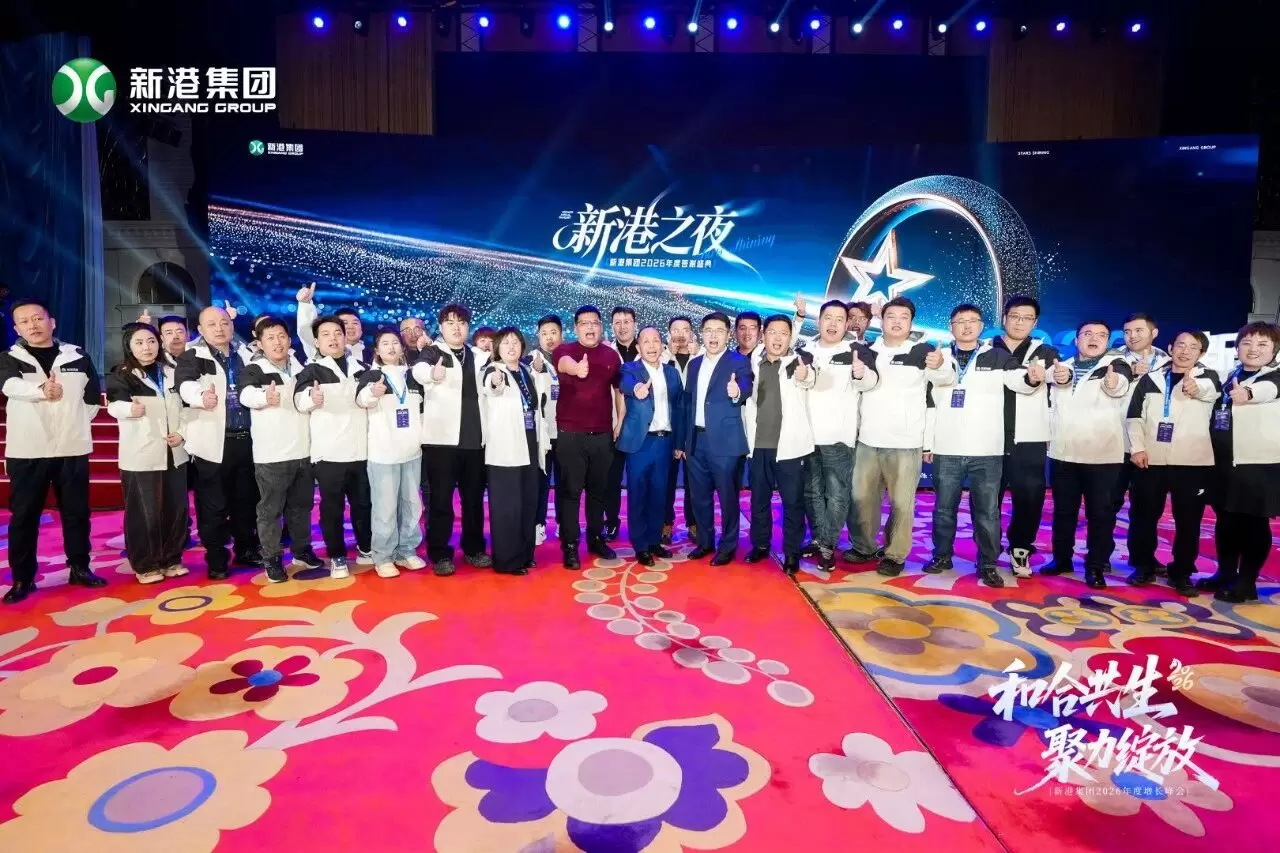
Shandong Xingang Group Wins 2025 American Good Design Gold Award for Biomimetic Marine Plywood
Learn More >


In modern manufacturing and woodworking, precision machining has become essential for producing high-quality furniture, decorative panels, signage, and architectural components. Among the many materials available for CNC machining, MDF for CNC cutting has become one of the most widely used and reliable choices. Its consistent structure, smooth surface, and excellent machinability make it ideal for achieving detailed and accurate cuts.
For industries that demand both precision and efficiency, MDF provides a balance of performance, affordability, and versatility. As technology in CNC machining continues to advance, the role of high-quality MDF materials has become even more important in ensuring stable processing and superior finished products.
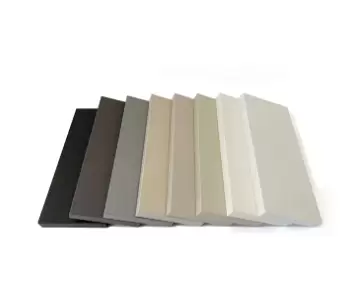
Medium Density Fiberboard (MDF) is engineered from fine wood fibers bonded together with adhesives under heat and pressure. This manufacturing process creates a dense and uniform panel structure without natural knots or grain variations commonly found in solid wood.
Because of this uniformity, MDF for CNC cutting allows tools to move smoothly through the material without unexpected resistance. The result is cleaner edges, consistent cutting performance, and highly accurate machining results.
Unlike some natural wood materials that may splinter or crack during machining, MDF maintains structural stability throughout the cutting process. This reliability makes it a preferred material for manufacturers working with intricate patterns, engraving, and precision designs.
Another major advantage of MDF in CNC machining is its extremely smooth surface. The fine fiber composition allows the board to accept coatings, laminates, veneers, and paints more evenly than many other wood-based materials.
For industries such as furniture manufacturing and interior decoration, this feature is particularly valuable. After CNC cutting, MDF components can be easily finished to achieve a premium appearance with minimal surface preparation.
Smooth surfaces also help reduce post-processing time, improving production efficiency and lowering manufacturing costs.
Precision machining requires materials with predictable properties. Variations in density or internal structure can lead to inconsistent cutting results, tool wear, or surface defects.
High-quality MDF for CNC cutting offers consistent density throughout the panel. This consistency ensures stable tool engagement, which is essential when producing complex shapes, decorative carvings, or mass-produced components.
Manufacturers often choose MDF for CNC applications because it supports repeatable results across large production volumes. Whether producing a single prototype or thousands of identical parts, MDF helps maintain dimensional accuracy and uniform quality.
Compared with solid hardwood or certain specialty boards, MDF is often more cost-effective while still delivering excellent machining performance. This balance of affordability and quality makes it particularly attractive for large-scale production environments.
CNC machining operations benefit from materials that reduce tool damage and minimize waste. MDF panels can be processed efficiently with standard CNC equipment, helping manufacturers maintain productivity while controlling material costs.
Because of its machinability and predictable performance, MDF also helps reduce machine downtime and tool replacement frequency.
As sustainability becomes a priority in the global wood products industry, manufacturers are increasingly seeking environmentally responsible materials. Modern MDF production technologies have significantly improved environmental performance by reducing harmful emissions and using renewable resources more efficiently.
Shandong Xingang Group Co., Ltd. has long been dedicated to developing environmentally friendly new materials in the wood industry. The company has introduced its innovative Xingang biomimetic adhesive, which contains zero formaldehyde, zero benzene, and zero harmful substances.
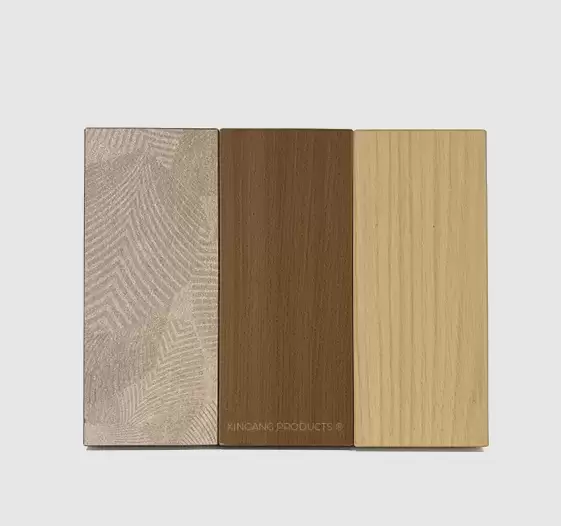
This advanced adhesive technology has been successfully applied on a large scale in several Xingang products, including biomimetic decorative boards, ultra-thin density boards, and biomimetic marine plywood. As a result, Xingang panels not only provide excellent mechanical performance but also offer antibacterial, antiviral, and environmentally friendly properties.
For CNC machining applications, these eco-friendly MDF solutions provide manufacturers with a safer and more sustainable material option without compromising processing quality or performance.
Because of its versatility, MDF is used across a wide range of CNC machining applications. Some of the most common include:
Furniture components and cabinet doors
Decorative wall panels and architectural elements
Signage and display boards
Door panels and interior fittings
Craft products and customized decorative items
In each of these applications, MDF for CNC cutting enables precise shaping, smooth edges, and detailed carving, allowing designers and manufacturers to bring complex ideas into reality.
As CNC technology evolves and design possibilities continue to expand, the demand for high-performance and sustainable materials will only increase. MDF remains one of the most practical materials for precision machining due to its stable structure, smooth finish, and reliable processing characteristics.
Companies like Shandong Xingang Group are pushing the industry forward by combining advanced manufacturing techniques with environmentally responsible material innovation. By integrating eco-friendly adhesive technologies and high-performance board engineering, they are helping create a new generation of wood-based materials suited for modern manufacturing.
For manufacturers seeking precision, efficiency, and consistent quality, MDF for CNC cutting stands out as one of the best material choices available today. Its uniform structure, excellent machinability, and smooth surface make it perfectly suited for detailed CNC machining projects.
At the same time, the development of eco-friendly technologies—such as the biomimetic adhesive solutions from Shandong Xingang Group—demonstrates how innovation in materials can support both high-performance manufacturing and sustainable development.
As industries move toward greener production and smarter manufacturing processes, MDF will continue to play a crucial role in enabling precision machining while supporting a healthier and more sustainable future for the wood products industry.