21 Aug 2026
MDF Board for CNC Cutting: What Manufacturers Should Know
Learn More >


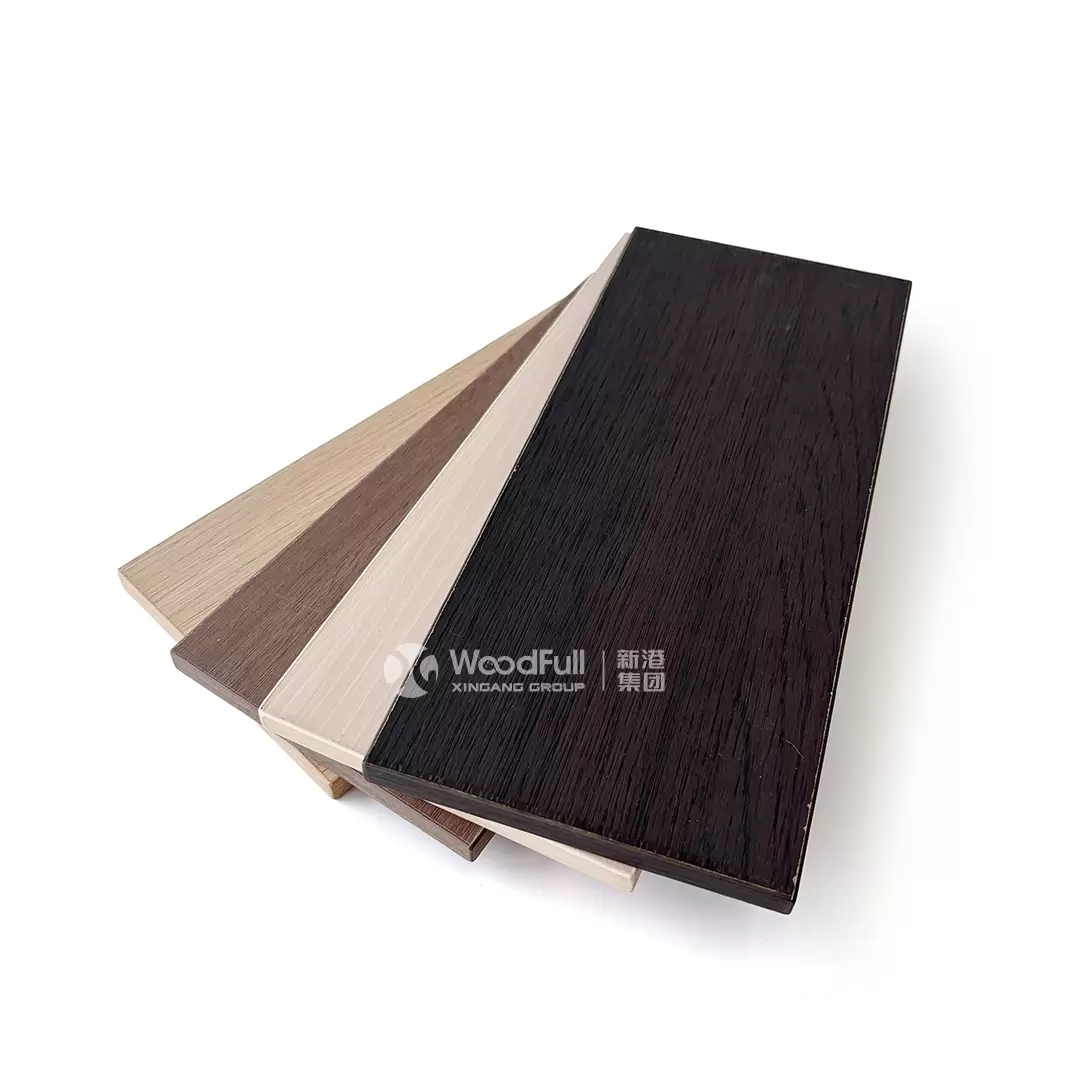
Selecting the right furniture board directly affects furniture durability, production efficiency, and long-term user experience. In modern interior projects, dark oak furniture board has become increasingly popular because it combines premium visual appearance with strong practicality across residential and commercial environments.
However, not all furniture boards provide the same structural quality, environmental safety, or surface durability. Choosing the wrong material may result in warping, edge failure, surface wear, or indoor air quality concerns.
For furniture manufacturers and interior contractors, understanding the technical differences behind furniture board performance is essential for controlling long-term project quality.
The internal substrate is one of the most important factors affecting furniture board performance.
Common furniture board core materials include:
Each material offers different advantages.
High-density MDF provides smoother surfaces and stable machining performance, making it suitable for painted furniture and precision decorative panels.
Plywood structures offer stronger screw holding capability and improved moisture resistance, especially for heavy-load furniture applications.
Low-quality core materials may experience:
For wardrobes, kitchen cabinets, and commercial furniture systems, dimensional stability is critical for maintaining long-term structural performance.
Dark oak finishes must maintain visual consistency under daily use conditions.
High-quality surface treatment systems improve resistance to:
In high-traffic environments such as hotels, retail spaces, and office interiors, surface durability directly affects furniture lifespan and maintenance cost.
Textured finishes that simulate natural oak grain are becoming increasingly popular because they combine realistic appearance with improved surface practicality.
Global furniture markets increasingly require low-emission materials that meet stricter environmental standards.
Traditional wood panels using conventional adhesives may continuously release formaldehyde into indoor environments.
Modern environmentally friendly furniture boards focus on:
Shandong Xingang Group developed biomimetic adhesive technology capable of achieving zero formaldehyde and zero harmful substance release.
This technology improves environmental safety while supporting modern green building requirements.
Low-emission furniture materials are especially important in residential housing, schools, healthcare facilities, and commercial projects where indoor air quality standards continue becoming more strict.
Furniture boards installed in kitchens, bathrooms, or humid climates require stable moisture resistance.
Poor moisture protection may lead to:
Advanced board manufacturing processes improve dimensional stability under changing environmental conditions.
Moisture-resistant furniture boards are increasingly important for modern modular furniture systems where long-term installation accuracy affects overall appearance and functionality.
Furniture manufacturing efficiency depends heavily on board processing performance.
Stable furniture boards improve:
Low-quality boards often generate excessive dust, unstable cutting edges, and higher tool wear rates.
For automated furniture production lines, machining consistency directly affects productivity and defect rates.
Engineered furniture boards with uniform internal density provide better compatibility with high-speed industrial processing equipment.
Global furniture markets are rapidly shifting toward sustainable and environmentally responsible materials.
Consumers increasingly prefer furniture products that combine:
Eco-friendly furniture boards are becoming important not only for regulatory compliance but also for brand competitiveness.
Xingang Group continues investing in environmentally friendly decorative boards and sustainable material technologies designed to support healthier interior environments and long-term green manufacturing development.
Choosing the right dark oak furniture board requires balancing aesthetics, durability, environmental safety, and manufacturing efficiency.
High-quality engineered furniture boards provide advantages in:
As furniture manufacturing continues evolving toward greener and more durable materials, environmentally friendly dark oak furniture boards will remain an important solution for modern residential and commercial interiors.