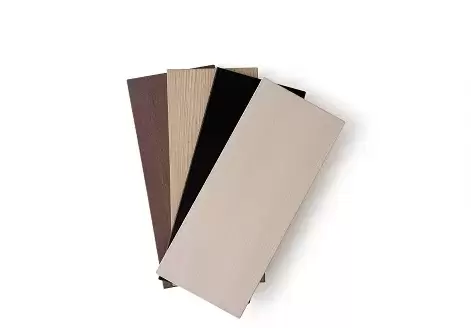
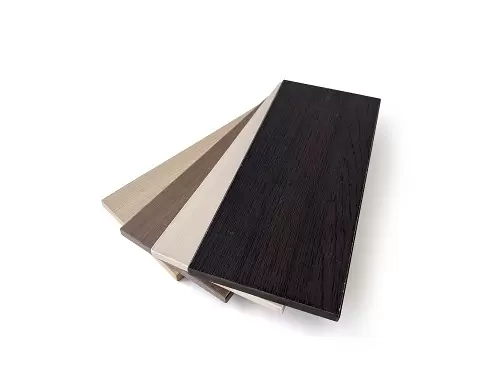
Selecting the right engineered wood panel is one of the most important decisions in furniture manufacturing. The choice affects not only product appearance but also machining efficiency, structural performance, production costs, and compliance with increasingly stringent environmental regulations. Among the most widely used materials today, PET Chipboard and Medium Density Fiberboard (MDF) are frequently compared because both can be used for cabinets, wardrobes, office furniture, and interior decorative applications.
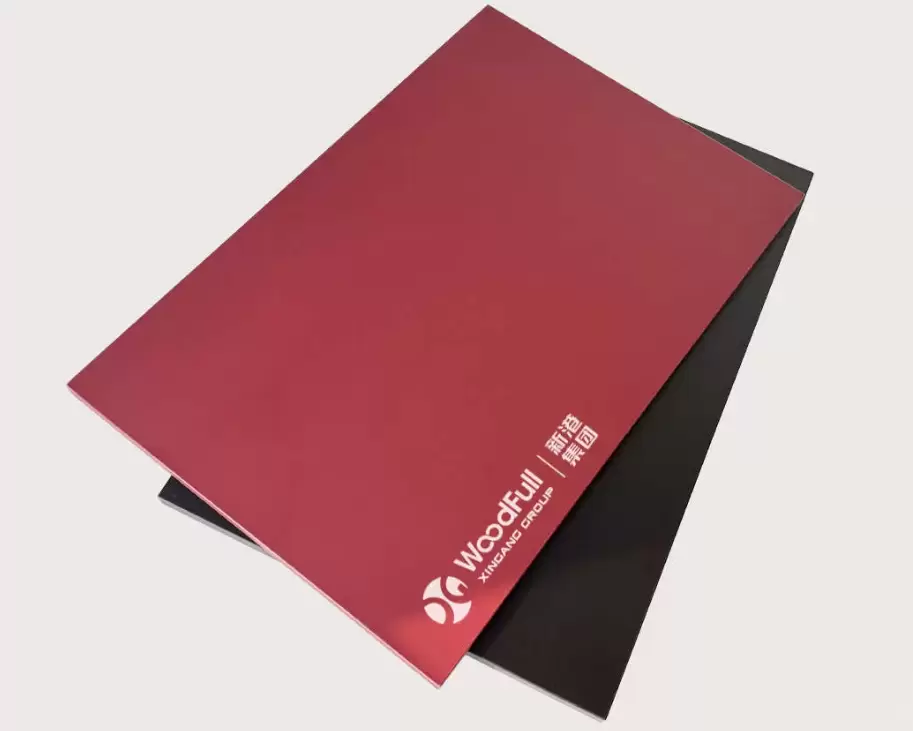
Although these materials may appear similar after lamination, they differ significantly in core structure, weight, processing characteristics, moisture resistance, and long-term durability. Understanding these differences helps manufacturers choose the most suitable material based on product positioning and application requirements rather than relying solely on material cost.
As the furniture industry continues moving toward low-emission, recyclable, and sustainable materials, PET Chipboard is becoming an increasingly attractive alternative for manufacturers seeking to balance performance with environmental responsibility.
Understanding the Structural Difference Between PET Chipboard and MDF
The primary distinction lies in the core material.
PET Chipboard uses engineered wood particles that are compressed under high pressure to form a stable substrate. The board is then laminated with a Polyethylene Terephthalate (PET) decorative surface, creating a panel that combines structural strength with an attractive and durable finish.
MDF, in contrast, is manufactured from fine wood fibers bonded together using resin and compressed into a homogeneous panel. Its uniform internal structure provides a smooth surface suitable for painting or decorative lamination.
While both materials support furniture manufacturing, their different internal structures result in distinct mechanical and processing characteristics.
Particleboard generally offers better weight efficiency, while MDF provides higher edge density for detailed profiling. The optimal choice depends on the intended application.
Surface Performance Makes PET Chipboard Increasingly Competitive
For modern furniture, the decorative surface often determines the customer's first impression.
PET decorative films provide several performance advantages compared with traditional melamine paper or painted finishes.
The PET surface exhibits excellent scratch resistance, helping furniture maintain its appearance during daily use. It also provides high color consistency, making it easier for manufacturers to achieve uniform production across different batches.
Unlike painted surfaces that may require multiple finishing processes, PET laminated panels deliver a factory-finished appearance immediately after production, reducing manufacturing complexity.
Another advantage is the soft matte texture available with many PET finishes. These low-gloss surfaces have become increasingly popular in premium kitchen cabinets, wardrobes, and commercial interiors because they create a modern appearance while minimizing visible fingerprints.
For furniture brands targeting contemporary design trends, PET Chipboard offers greater flexibility in both aesthetics and production efficiency.
Weight and Machining Efficiency Affect Manufacturing Costs
Material density directly influences transportation, machining, and assembly.
Typical particleboard has a density ranging from approximately 650 to 720 kg/m³, while MDF commonly falls between 700 and 850 kg/m³, depending on product specifications.
Although exact values vary among manufacturers, PET Chipboard generally provides a favorable balance between structural performance and weight.
Lower panel weight can reduce:
- Transportation costs
- Manual handling effort
- Installation time
- Finished furniture weight
During machining, PET Chipboard performs well in standard woodworking operations such as:
- CNC cutting
- Drilling
- Edge banding
- Grooving
- Hardware installation
When manufactured with a consistent core density, the material delivers reliable dimensional accuracy while maintaining efficient production speeds.
Moisture Resistance Is Important for Daily Furniture Use
Residential and commercial furniture is often exposed to varying humidity levels.
Kitchen cabinets experience steam generated during cooking.
Bathroom storage units operate in environments with elevated moisture.
Office furniture may encounter seasonal humidity changes.
PET film acts as an effective protective layer, reducing direct moisture penetration into the panel surface.
Although the substrate itself remains wood-based and should not be considered waterproof, the laminated PET surface improves resistance to surface moisture, stains, and routine cleaning compared with unfinished wood panels.
Manufacturers can further enhance moisture performance by selecting moisture-resistant particleboard cores for applications requiring higher durability.
This combination makes PET Chipboard suitable for many indoor environments where appearance and dimensional stability are equally important.
Environmental Performance Is Driving Material Selection
Environmental compliance has become a major factor in global furniture manufacturing.
Governments continue introducing regulations that limit formaldehyde emissions and volatile organic compounds from wood-based products.
Consumers are also becoming more aware of indoor air quality when purchasing furniture.
For this reason, the adhesive system used during board production is now as important as the decorative surface itself.
Shandong Xingang Group has developed proprietary biomimetic adhesive technology featuring:
- Zero formaldehyde
- Zero benzene
- Zero harmful substances
This environmentally friendly adhesive system has already been successfully applied to decorative boards, ultra-thin fiberboards, and marine plywood.
By integrating advanced adhesive technology with PET decorative surfaces, PET Chipboard supports healthier indoor environments while maintaining excellent bonding strength and manufacturing reliability.
This approach helps furniture manufacturers address both environmental regulations and growing market demand for sustainable products.
Long-Term Durability Supports Premium Furniture Applications
Furniture manufacturers increasingly seek materials capable of maintaining their appearance over many years.
PET Chipboard provides several advantages in long-term performance.
The decorative surface resists scratches generated during everyday use.
Its color stability helps prevent noticeable fading under normal indoor lighting conditions.
The laminated surface also simplifies routine cleaning because dust and stains are less likely to penetrate the dense PET layer.
Meanwhile, a well-manufactured particleboard core provides sufficient screw holding performance for repeated furniture assembly and hardware installation.
These characteristics contribute to lower warranty claims and higher customer satisfaction over the product lifecycle.
PET Chipboard Is Well Suited for Automated Furniture Production
Modern furniture factories rely heavily on automation.
Panels move through CNC machining centers, automatic edge banding lines, drilling equipment, and robotic handling systems.
Material consistency directly influences production efficiency.
PET Chipboard manufactured with stable density and precise dimensional control performs reliably throughout automated production.
Its consistent surface quality reduces defects during lamination inspection, while accurate board dimensions improve machining precision.
Manufacturers operating high-volume production lines benefit from reduced material variation and improved process stability.
Choosing Between PET Chipboard and MDF
Neither material is universally superior.
MDF remains an excellent choice for applications requiring intricate routing, carved profiles, or painted finishes.
However, PET Chipboard provides clear advantages when manufacturers prioritize:
- Modern decorative appearance
- Lower panel weight
- Scratch-resistant surfaces
- Efficient mass production
- Sustainable material solutions
- Improved environmental performance
For flat-panel furniture, modular cabinets, wardrobes, office furniture, and commercial interiors, PET Chipboard often delivers the most balanced combination of cost, durability, and manufacturing efficiency.
Why Manufacturing Expertise Matters
Even the best material design cannot compensate for inconsistent manufacturing.
Reliable PET Chipboard production requires strict control of raw materials, pressing conditions, lamination technology, and quality inspection.
Shandong Xingang Group has focused on environmentally friendly wood-based materials for many years. By combining advanced production equipment, sustainable biomimetic adhesive technology, and continuous innovation in engineered panel manufacturing, the company provides customers with PET Chipboard solutions designed for modern furniture production.
Its commitment to green materials reflects the industry's transition toward healthier living spaces and more sustainable manufacturing practices.
Conclusion
The comparison between PET Chipboard and MDF is no longer based solely on cost. Today's furniture manufacturers must also consider environmental compliance, production efficiency, product durability, and consumer expectations.
PET Chipboard offers an effective combination of engineered particleboard strength, durable PET decorative surfaces, and environmentally responsible adhesive technology. It supports efficient manufacturing while delivering the appearance, performance, and sustainability demanded by today's furniture market.
As regulations become stricter and consumers continue prioritizing healthier indoor environments, PET Chipboard is well positioned to become one of the preferred panel materials for modern residential and commercial furniture manufacturing.