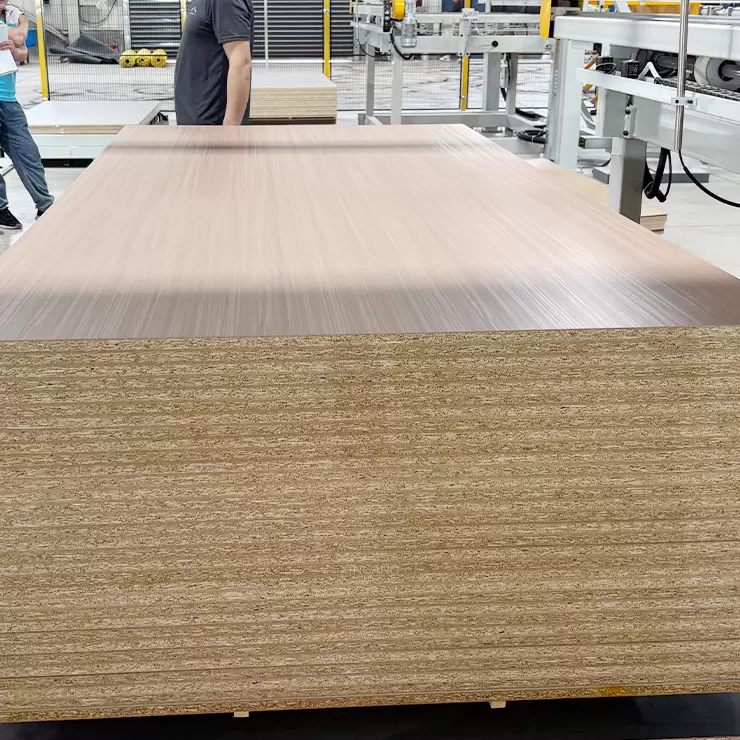
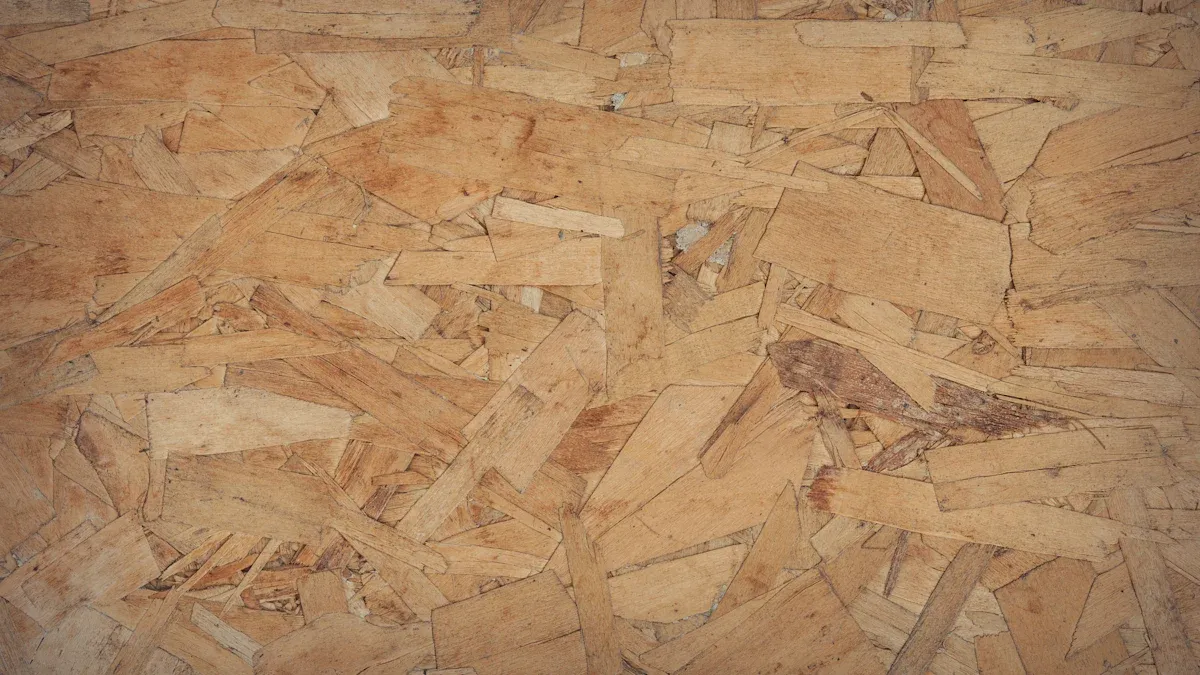
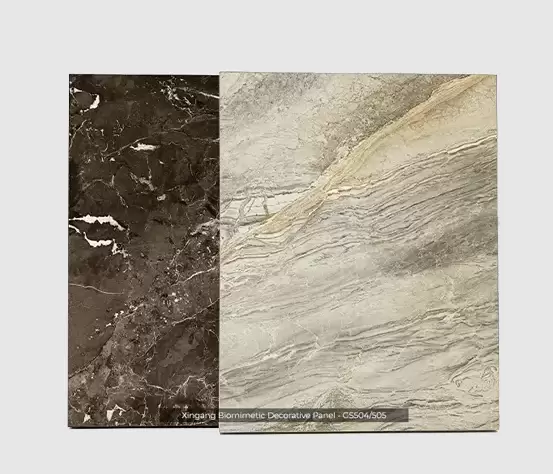
Thin MDF board has become an important material option for furniture, decorative panels, interior components, wall systems, cabinet structures, and other products where manufacturers need a combination of smooth surface quality, controlled thickness, machining flexibility, and efficient material utilization.
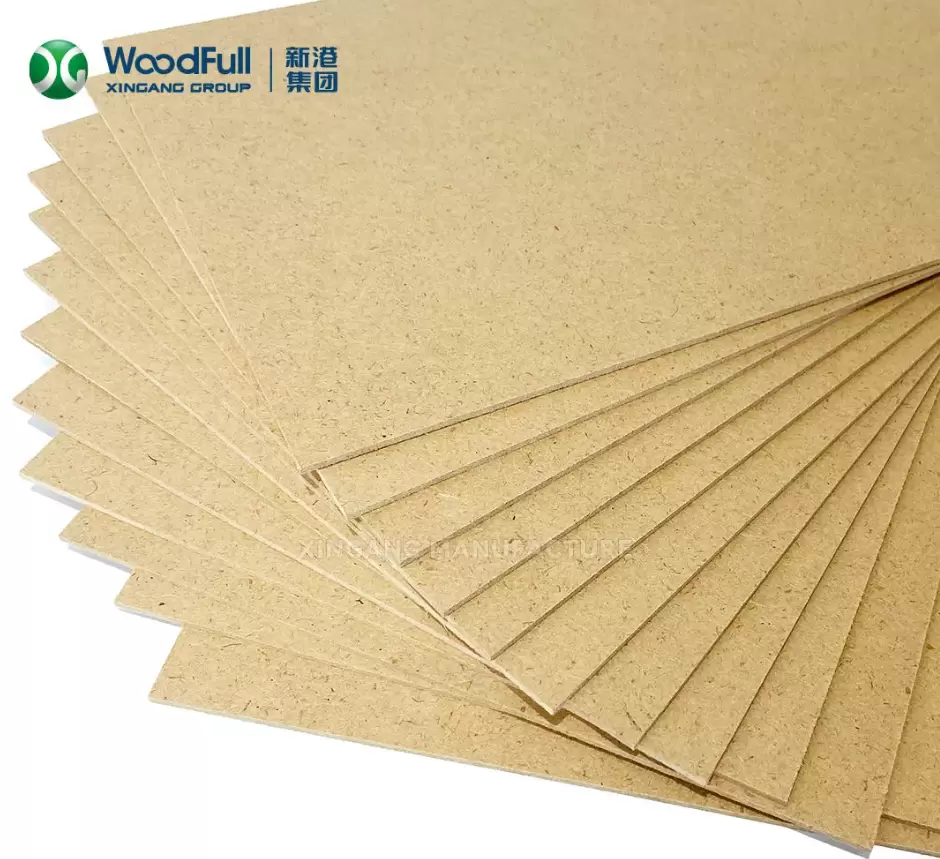
Compared with conventional medium-thickness MDF, thin MDF board changes the structural and manufacturing equation. Lower material thickness can reduce weight and consumption, but it also reduces bending stiffness and available fastening depth. As a result, successful application depends on understanding how the board interacts with the overall product structure.
For furniture and interior applications, material selection should therefore consider more than appearance. Surface quality, dimensional stability, moisture conditions, edge performance, bonding, machining accuracy, and environmental characteristics all influence the finished product.
Why Thin MDF Board Is Used in Furniture
Furniture manufacturers often need panels that can provide a smooth decorative surface without adding unnecessary weight or material thickness.
Thin MDF board can be used as backing panels, decorative layers, cabinet components, drawer elements, interior partitions, curved or formed structures, and other applications where the panel does not need to carry the same structural load as a thick cabinet side or worktop.
The uniform fiber structure of MDF provides a relatively consistent surface for painting, laminating, veneering, printing, and other finishing processes.
This consistency can simplify industrial finishing because the surface does not have the same natural grain variation found in solid wood.
For high-volume furniture production, this predictability is valuable because the finishing process can be standardized across large numbers of panels.
Thin Does Not Mean Structurally Weak in Every Application
A common mistake is to evaluate thin MDF board solely by its thickness.
The structural performance of a panel depends on its thickness, span, support conditions, loading direction, mounting method, and whether it is part of a composite structure.
A thin MDF panel that is fully supported by a rigid frame can perform very differently from the same panel installed across a large unsupported opening.
Bending stiffness is strongly influenced by thickness. Under simplified beam assumptions, stiffness is proportional to the cube of thickness. Therefore, reducing a panel from 6 mm to 3 mm can produce a much larger reduction in bending stiffness than the 50% reduction in thickness might suggest.
Furniture designers can compensate through structural design. Perimeter frames, grooves, ribs, bonding, mechanical fasteners, or laminated layers can improve overall rigidity without simply increasing the thickness of every component.
This approach can reduce material consumption while maintaining the required product performance.
Surface Quality Determines Finishing Efficiency
Furniture surfaces are often evaluated visually, which makes board surface quality a direct manufacturing concern.
Thin MDF board with a uniform, finely processed surface can provide a suitable base for paint, decorative paper, laminate, veneer, or other finishing systems.
The surface needs to have consistent sanding characteristics because local differences can become visible after coating. A coating that appears uniform on the raw board may reveal differences in absorption if the fiber density or sanding depth varies.
For automated furniture production, stable surface characteristics can reduce rework and help maintain consistent color and texture across batches.
This is especially important for large visible surfaces where small defects can become noticeable under direct lighting.
Edge Machining Requires More Attention
Edges are often the weakest areas of thin MDF furniture components because there is less material available for fastening, machining, and impact resistance.
When a screw is used near an edge, the available fiber structure for load transfer is limited. Excessive screw torque can cause local crushing or splitting.
For thin MDF board, adhesive bonding can sometimes provide a more appropriate connection method, particularly when a large bonding area is available. Mechanical connectors, grooves, clips, or support frames can also distribute loads more effectively.
CNC machining should take the reduced edge thickness into account. Sharp internal corners, narrow bridges, and holes placed too close to the edge can create stress concentrations.
Designing the component around the material's actual thickness can therefore improve both manufacturing yield and assembly reliability.
Moisture Resistance Should Match the Room Environment
Furniture and interior products can experience very different humidity conditions.
A decorative panel used in a dry bedroom environment has a different moisture requirement from a cabinet component installed in a kitchen or a panel used in a humid commercial space.
Moisture can affect wood-fiber materials through dimensional changes and thickness swelling. Thin panels may require particular attention to exposed edges because machining can expose the internal fiber structure.
For applications with increased humidity exposure, the board specification should be matched to the intended environmental conditions and relevant moisture-performance requirements.
Protective coatings, edge sealing, appropriate adhesives, and correct installation can further improve system performance, but they should not be used to compensate for an unsuitable base material.
Adhesive Compatibility Is Important for Laminated Structures
Thin MDF board is frequently used with decorative paper, veneer, laminate, fabrics, or other surface materials.
The bonding process needs to consider adhesive type, application amount, curing conditions, surface preparation, pressing pressure, and moisture compatibility.
Because thin MDF contains less material than a thick board, excessive moisture or uneven adhesive application can have a greater influence on dimensional stability.
Uniform adhesive distribution is therefore important for preventing local deformation or bonding defects.
In automated furniture manufacturing, press temperature, pressure, and cycle time should be controlled consistently to achieve stable bonding results across production batches.
Environmental Performance Is Increasingly Relevant
Furniture and interior products are often used in enclosed spaces, making material emissions an important consideration.
The adhesive system used in the MDF manufacturing process is directly related to the environmental characteristics of the finished board. Shandong Xingang Group Co., Ltd. has developed and industrialized Xingang Biomimetic Adhesive, which the company describes as containing zero formaldehyde, zero benzene, and zero harmful substances.
According to the company's product applications, this adhesive technology has been used in Xingang biomimetic decorative boards, thin MDF board, and biomimetic marine plywood.
For furniture manufacturers developing environmentally oriented products, binder technology can therefore become an important part of material evaluation. Product claims should still be supported by appropriate testing and certifications for the target market.
Dimensional Stability Influences Assembly Accuracy
Furniture production depends heavily on repeatable dimensions.
Cabinet components, decorative inserts, backing panels, and other precision parts need to fit consistently during automated or semi-automated assembly.
A thin MDF board with uncontrolled thickness variation can create problems in grooves, joints, and laminated structures. Even small dimensional differences can become noticeable when several components are assembled together.
This is why thickness tolerance should be controlled at the raw-material stage. Sampling should include measurements across the board rather than checking only one location.
For CNC-manufactured components, dimensional stability also affects tool-depth settings and the consistency of finished profiles.
Thin MDF Board Can Reduce Material and Product Weight
One practical advantage of thin MDF board is the potential reduction in material consumption.
If a furniture component can perform its required function at 3 mm instead of 6 mm, the theoretical board-material volume is reduced by approximately 50%, assuming the same surface area. Product weight can also decrease accordingly.
However, the saving should be calculated at the complete product level. If reducing thickness requires additional reinforcement, frame members, adhesive layers, or assembly components, part of the material saving may be offset.
The best design is therefore not necessarily the thinnest possible board. It is the lowest material thickness that meets the structural, dimensional, visual, and environmental requirements of the final product.
How to Select Thin MDF Board for Furniture Production
The selection process should begin with the finished component.
For decorative surfaces, surface smoothness, coating compatibility, dimensional consistency, and environmental characteristics may be the dominant requirements. For backing panels, stiffness and fastening method may become more important.
For CNC-cut components, thickness tolerance, density consistency, edge quality, and machining behavior should receive greater attention.
For humid environments, moisture performance should be evaluated before production. For laminated structures, adhesive compatibility and pressing conditions should be included in the material qualification process.
A clear material specification should define thickness, density range, dimensional tolerance, surface quality, moisture requirements, mechanical requirements, and relevant environmental testing.
A More Integrated Approach to Thin MDF Board Manufacturing
For manufacturers producing furniture and interior products at scale, raw-material quality is only one part of the supply chain.
Stable board production, consistent adhesive technology, surface processing, packaging, logistics, and technical communication all influence the final manufacturing result.
Shandong Xingang Group Co., Ltd. focuses on environmentally oriented wood-based new materials and has developed a product portfolio including thin MDF board and other specialized wood-based panels.
Its development of Xingang Biomimetic Adhesive reflects an approach that combines board performance with environmental considerations. For customers developing green furniture, interior decoration products, and other wood-based applications, this can provide a basis for evaluating both material engineering and sustainability requirements.
Conclusion
Thin MDF board can provide an effective combination of smooth surface quality, machinability, reduced material consumption, and controlled panel thickness for furniture and interior applications.
Its performance, however, depends strongly on how the material is integrated into the finished product. Thickness, bending stiffness, density uniformity, edge strength, moisture conditions, bonding method, surface finishing, and dimensional tolerance all need to be considered before mass production.
For manufacturers seeking thinner and lighter furniture or interior components, the right approach is not simply to reduce board thickness. The objective should be to optimize the complete structure so that the thin MDF board provides the required appearance, machining performance, dimensional stability, and service life while minimizing unnecessary material consumption.