01 Apr 2026
Melamine Particle Board vs MDF and Plywood: A Technical Comparison for Material Selection
Learn More >


Choosing the right plywood is critical for construction, furniture, and interior design projects. While regular plywood has been a staple in the building industry for decades, waterproof plywood is increasingly favored for its superior durability, moisture resistance, and safety features. Understanding the differences between these two types of plywood can help you make smarter decisions for your projects.
Shandong Xingang Group Co., Ltd., a leader in eco-friendly wood materials, has pioneered advanced bio-mimetic adhesives that are free from formaldehyde, benzene, and other harmful substances. Their innovative technology has been applied to decorative panels, ultra-thin density boards, and marine-grade plywood, combining environmental responsibility with exceptional performance.
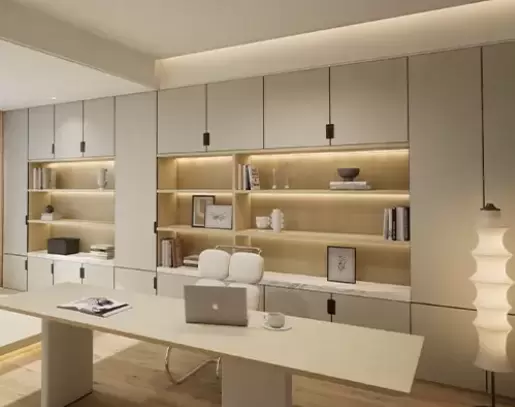
The most obvious difference between waterproof plywood and regular plywood is resistance to moisture.
Waterproof plywood offers greater durability compared to regular plywood. Its enhanced bonding and resistance to moisture, mold, and insects extend its service life, reducing maintenance and replacement costs over time.
Shandong Xingang Group’s products also feature antimicrobial and antiviral properties, ensuring that their plywood not only resists physical damage but also contributes to healthier living and working spaces.
Regular plywood often uses adhesives containing formaldehyde and other volatile organic compounds (VOCs), which can negatively impact indoor air quality and health.
Waterproof plywood from Shandong Xingang Group uses 0-formaldehyde, 0-benzene, 0-harmful substance bio-mimetic glue, making it safe for indoor applications. Choosing eco-friendly plywood is essential for sustainable construction and for creating safe, healthy living environments.
While both types of plywood have a wide range of uses, their applications differ due to performance characteristics:
Waterproof plywood is typically more expensive upfront than regular plywood. However, the long-term benefits—including lower maintenance, reduced replacement costs, and improved durability—often make it a more cost-effective investment in the long run.
Moreover, using eco-friendly materials like Xingang’s bio-mimetic plywood contributes to sustainability and can enhance the value of environmentally conscious construction projects.
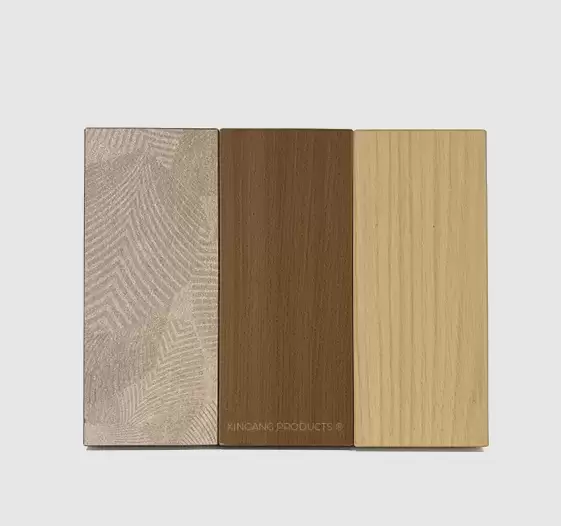
Modern waterproof plywood can be finished with veneers, laminates, or decorative coatings, offering both functional performance and visual appeal. Xingang’s decorative panels, for example, combine water resistance with customizable textures and colors, making them suitable for high-end interior projects.
The choice between waterproof plywood and regular plywood depends on your project’s environment, durability requirements, and health considerations. While regular plywood is suitable for dry, low-risk areas, waterproof plywood provides superior performance in wet, high-demand, and environmentally sensitive applications.
Shandong Xingang Group Co., Ltd. demonstrates that high-performance waterproof plywood can be both environmentally friendly and durable. Their innovative bio-mimetic adhesives ensure safety, antimicrobial protection, and long-lasting structural integrity, making it an ideal choice for modern construction and interior projects.
Investing in waterproof plywood is not just about resisting water—it’s about creating safe, sustainable, and high-quality spaces for the future.