25 Jun 2026
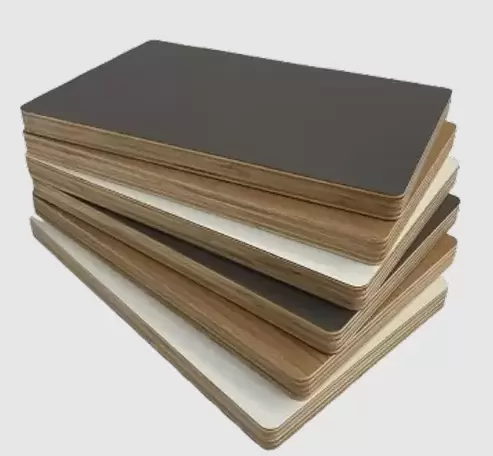
UV Plywood: Surface Curing Technology for High-Durability Decorative Panels
Learn More >


Cats are naturally curious, active, and deeply connected to their immediate environment. Their daily routines—scratching, climbing, grooming, resting—bring them into constant contact with the surfaces around them. This makes the quality and safety of pet furniture more important than many owners realize. While the visual appeal or design of cat towers, scratching boards, or hideaways often drives purchasing decisions, the material behind the product plays a far greater role in long-term health and hygiene.
Traditional pet furniture materials like MDF, plywood, untreated wood, and fabric coverings offer basic functionality but often fall short in hygiene protection. They absorb moisture, retain odors, harbor dust, and offer no resistance to viruses or microorganisms. With more cats living indoors and sharing close spaces with their families, a new generation of pet furniture materials is needed—ones designed not only for comfort but for safety.
This is where Bio-board stands out. With engineered antiviral properties capable of blocking more than 99% of feline cephalovirus, Bio-board introduces a science-backed foundation for cleaner, healthier cat environments. As awareness of indoor health increases, many pet owners are turning to Bio-Board Pet Furniture to create safer living spaces for their cats.
This article explores how Bio-board transforms cat environments and why it represents a modern solution for hygiene-focused households.
Cats interact with their environment differently from dogs or humans. They climb vertically, use scratching surfaces daily, rub their faces along edges, and spend extended periods lounging on elevated platforms. These behaviors mean:
continuous surface contact
higher exposure to dust and microorganisms
more opportunities for viruses to spread
Feline cephalovirus, one example of a surface-stable virus, can linger on traditional materials for long periods. Even if the virus does not cause immediate symptoms, repeated exposure can weaken a cat’s immune response over time. For multi-cat households, the risk is even greater as shared furniture becomes a primary point of contact.
Bio-board addresses this issue at its source—by preventing viruses from surviving or replicating on the surface.
The most significant benefit of Bio-board is its antiviral capability. Unlike ordinary materials, Bio-board integrates antiviral components directly into its structure, which disrupts viral replication on contact. Testing shows a blocking rate exceeding 99% for feline cephalovirus.
This means a cat’s climbing tower, scratch post, or sleeping platform becomes a safer, cleaner part of the home. Instead of functioning as potential reservoirs for viral particles, Bio-board surfaces actively resist contamination.
For owners, this delivers peace of mind. For cats, it creates a healthier daily living space.
Indoor cleanliness plays a major role in cat health. Dust, dander, oils, and microorganisms accumulate quickly on traditional pet furniture—especially fabric-covered products or porous board materials. These contaminants not only affect hygiene but may also worsen allergies for both pets and humans.
Bio-board does not trap contamination in the same way. Its structure reduces moisture absorption and makes it harder for microorganisms to survive. This results in cleaner furniture surfaces and fewer hidden contaminants.
Cat households where shedding levels are high benefit significantly from materials that naturally resist buildup.
Cats rely heavily on scratching as part of their physical and emotional well-being. This means any furniture in their environment must withstand repetitive clawing without breaking down quickly.
Traditional materials often degrade under repeated stress:
MDF chips
fabrics fray
plywood layers weaken
Bio-board offers enhanced structural durability. When shaped into scratch boards, climbing platforms, or support panels, it maintains its shape and integrity over time. Even with heavy daily use, it continues to deliver antiviral performance because the protective properties are embedded throughout the material, not applied as a surface coating.
This durability translates into longer-lasting furniture and fewer replacements.
Moisture is one of the primary drivers of microbial growth. Traditional pet furniture, especially products made from untreated wood or fiberboard, absorbs moisture easily. This leads to:
swelling
unpleasant odors
bacterial growth
deterioration of the structure
Bio-board is engineered with low moisture absorption. The material stays dry, keeping surfaces fresh and preventing odor-causing buildup. This moisture resistance also makes regular cleaning more effective because contaminants stay on the surface rather than penetrating the material.
For cats, a clean-smelling environment supports comfort and reduces stress. For owners, maintenance becomes easier and more predictable.
Cats groom themselves frequently, which includes cleaning their paws after touching surfaces. Any unsafe or unstable chemicals on those surfaces can easily be ingested. Many traditional pet products rely on adhesives, paints, or treatments that degrade over time.
Bio-board avoids these concerns. Its antiviral components are non-toxic and stable within the material. There are no harmful coatings to worry about, and scratching does not expose unsafe inner layers.
This contributes to a safer environment not only for cats but also for children who may play near or touch pet furniture.
Bio-board helps improve the broader indoor environment by reducing sources of contamination. Cleaner surfaces contribute to better air quality and fewer allergens. This is especially beneficial in apartments, smaller homes, or multi-pet households where ventilation may be limited.
For families with allergies or respiratory sensitivities, Bio-board helps create a home environment with fewer airborne particles released from worn-out furniture materials.
Cat furniture must balance three elements:
function
comfort
aesthetic appeal
Because Bio-board is a versatile engineered material, it supports modern design approaches without sacrificing durability or hygiene. Cat trees, tunnels, nesting boxes, and climbing structures built with Bio-board can be styled to blend naturally into home layouts while still offering real benefits in cleanliness and longevity.
This combination of design flexibility and scientific performance is rare among conventional materials.
A cat’s environment shapes its daily routines, comfort, and long-term health. Creating a safe space begins with the materials chosen for pet furniture—not just the design. Bio-board is redefining what pet furniture can achieve by bringing antiviral protection, moisture resistance, durability, and safety together in one engineered solution.
Choosing Bio-Board Pet Furniture means giving cats access to cleaner surfaces, healthier environments, and more secure daily living. For pet owners who prioritize long-term wellness and practical design, Bio-board offers a smarter, more responsible way to build a cat-friendly home.