01 Apr 2026
Melamine Particle Board: Performance Engineering for High-Durability Interior Applications
Learn More >


In construction, marine engineering, transportation, and outdoor applications, plywood performance is often determined by one critical factor: resistance to moisture. Traditional plywood may provide sufficient strength in dry environments, but when exposed to continuous humidity, water immersion, temperature fluctuations, or marine conditions, internal bonding failure can quickly reduce service life.
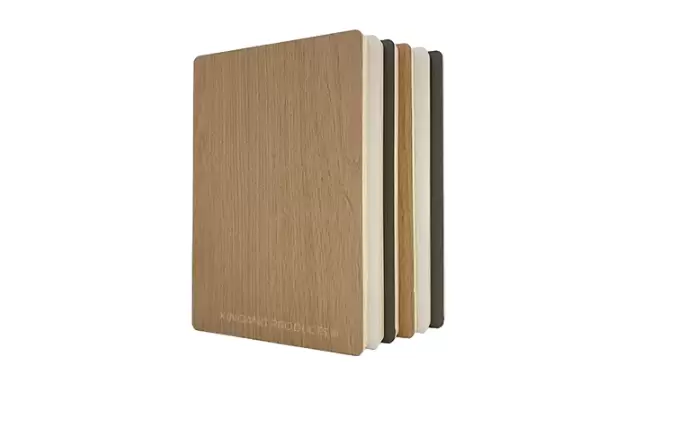
This is why marine plywood waterproof solutions have become increasingly important for industries requiring stable structural performance under demanding conditions. Unlike ordinary plywood, waterproof marine plywood is engineered with specialized bonding technology, improved core structure, and enhanced moisture resistance to maintain dimensional stability and mechanical strength even in high-moisture environments.
For manufacturers and construction companies working with marine applications, outdoor structures, vehicle interiors, and high-end furniture, selecting the right waterproof plywood is not simply a material choice. It directly affects maintenance costs, product reliability, and long-term project performance.
Plywood consists of multiple layers of wood veneer bonded together. Although the layered structure provides excellent strength-to-weight performance, the adhesive system between veneers determines whether the board can withstand moisture exposure.
When conventional plywood absorbs water, several problems may occur:
In marine or outdoor environments, these problems become more severe because materials are exposed to repeated wet and dry cycles.
A high-quality marine plywood waterproof product must maintain stable bonding performance after prolonged exposure to moisture. The goal is not only to prevent water absorption but also to ensure that the internal structure remains intact throughout the service period.
The adhesive used in plywood manufacturing plays a decisive role in waterproof performance.
Traditional plywood often relies on conventional resin systems that may lose bonding strength under continuous moisture conditions. Modern marine plywood uses advanced adhesive technologies designed for higher durability and environmental stability.
Shandong Xingang Group has developed Xingang Bio-based Adhesive technology, focusing on environmentally friendly materials with zero formaldehyde, zero benzene, and zero harmful substances. This adhesive technology enables plywood products to achieve excellent environmental performance while maintaining strong bonding reliability.
For waterproof plywood applications, the advantages of advanced bonding technology include:
A waterproof plywood panel must maintain adhesion between veneer layers even after water exposure.
High-performance adhesives create stronger molecular bonding, reducing risks such as:
This is especially important for applications such as boat interiors, coastal buildings, and outdoor structures where replacement costs are high.
Many applications do not involve permanent water immersion but frequent humidity changes.
For example:
Repeated expansion and contraction can gradually damage ordinary plywood. Waterproof marine plywood is designed to minimize these structural changes and maintain stable performance.
Besides adhesive performance, the plywood structure itself influences waterproof durability.
High-quality marine plywood typically uses carefully selected veneer layers with controlled thickness and optimized arrangement.
Important manufacturing factors include:
The quality of surface and core veneers directly affects final performance.
Premium marine plywood requires:
Better veneer consistency improves both mechanical strength and moisture resistance.
Plywood strength comes from cross-laminated veneer construction.
Each veneer layer is arranged with alternating grain directions, helping the panel resist:
This balanced structure allows waterproof plywood to maintain stability under different environmental conditions.
Marine environments create some of the most challenging conditions for wood-based materials.
Boat interiors, yacht furniture, and marine equipment require materials that can withstand:
Waterproof marine plywood provides the necessary structural reliability while maintaining a lightweight advantage compared with some alternative materials.
Outdoor construction materials must perform under unpredictable weather conditions.
Applications include:
Waterproof plywood helps reduce deformation and extends replacement cycles.
Vehicle manufacturers use plywood materials in:
These applications require materials that combine strength, lightweight design, and moisture resistance.
In kitchens, bathrooms, and commercial interiors, moisture resistance is increasingly important.
Waterproof plywood provides:
This makes it suitable for premium furniture manufacturing.
The difference between standard plywood and marine waterproof plywood is mainly reflected in long-term reliability.
| Performance Factor | Ordinary Plywood | Marine Plywood Waterproof |
|---|---|---|
| Moisture Resistance | Limited | High resistance to humidity and water exposure |
| Bonding Stability | May weaken under moisture | Designed for long-term structural stability |
| Delamination Risk | Higher in wet conditions | Lower due to advanced adhesive systems |
| Outdoor Suitability | Limited applications | Suitable for demanding environments |
| Service Life | Shorter under moisture exposure | Extended durability |
For projects where material replacement is difficult or expensive, investing in waterproof marine plywood can significantly reduce lifecycle costs.
Modern industries are not only focusing on durability but also environmental responsibility.
Traditional plywood production may involve adhesives containing formaldehyde or other chemical components, creating concerns regarding indoor air quality and sustainability.
New-generation marine plywood solutions combine waterproof performance with environmentally friendly manufacturing.
Xingang Group’s bio-based adhesive technology focuses on creating healthier wood materials while maintaining industrial-grade performance. With zero formaldehyde, zero benzene, and zero harmful substances, these materials support greener construction and healthier living environments.
This combination of waterproof durability and environmental safety is becoming increasingly important in global markets.
Before selecting marine plywood, manufacturers should evaluate several technical aspects:
Different applications require different protection levels. Materials used in direct marine environments require higher waterproof performance than indoor humid applications.
The adhesive system determines long-term bonding reliability. Advanced environmentally friendly adhesives can provide both durability and safety.
Important parameters include:
Industrial projects require stable quality across large production volumes. Reliable manufacturing processes ensure every plywood panel meets performance expectations.
The demand for high-performance wood materials continues to grow as industries require products that combine durability, sustainability, and environmental safety.
A professional marine plywood waterproof solution is not simply plywood with better water resistance. It represents a complete engineering approach involving adhesive technology, veneer selection, structural design, and quality control.
With advanced Xingang Bio-based Adhesive technology and years of experience in environmentally friendly wood materials, Shandong Xingang Group provides marine plywood solutions that deliver reliable waterproof performance while supporting sustainable development.
For marine, construction, transportation, and premium interior applications, choosing the right waterproof plywood technology helps companies achieve stronger performance, longer service life, and greater project value.