15 Jul 2026
PET Chipboard Manufacturing: What Determines Panel Quality and Long-Term Performance?
Learn More >


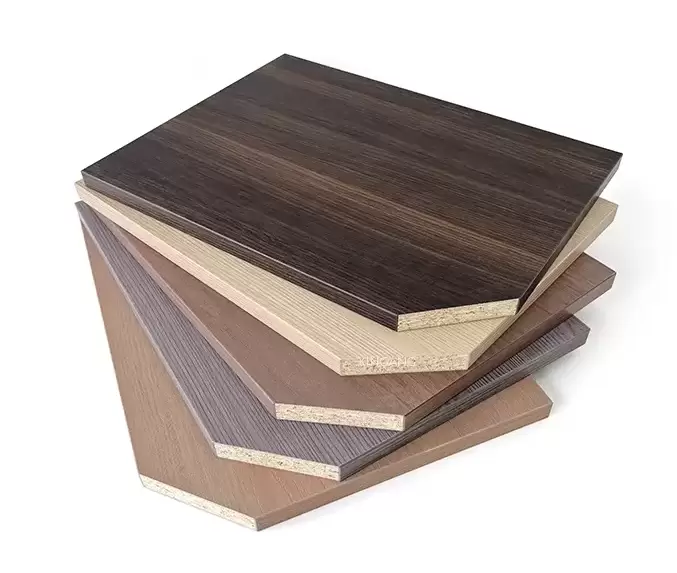
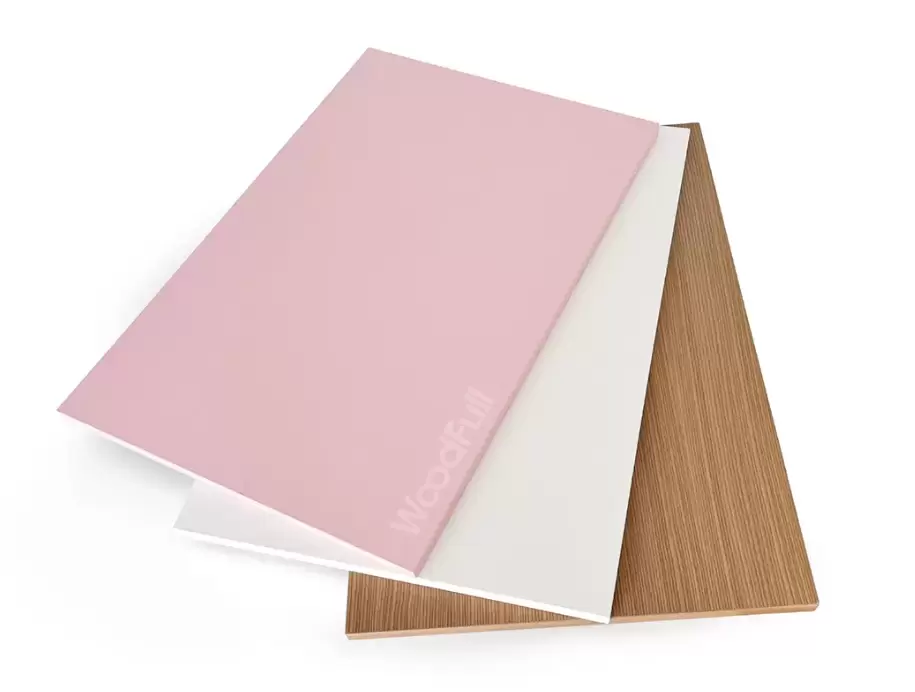
MDF furniture board is widely used for cabinet panels, wardrobes, shelving, doors and other interior furniture components because its homogeneous fiber structure provides a more consistent machining surface than many natural wood-based materials. However, the performance of MDF furniture board depends heavily on density distribution, thickness control, internal bonding, moisture behavior and surface quality. For furniture manufacturing, selecting the correct board is therefore a structural and processing decision rather than simply a material choice.
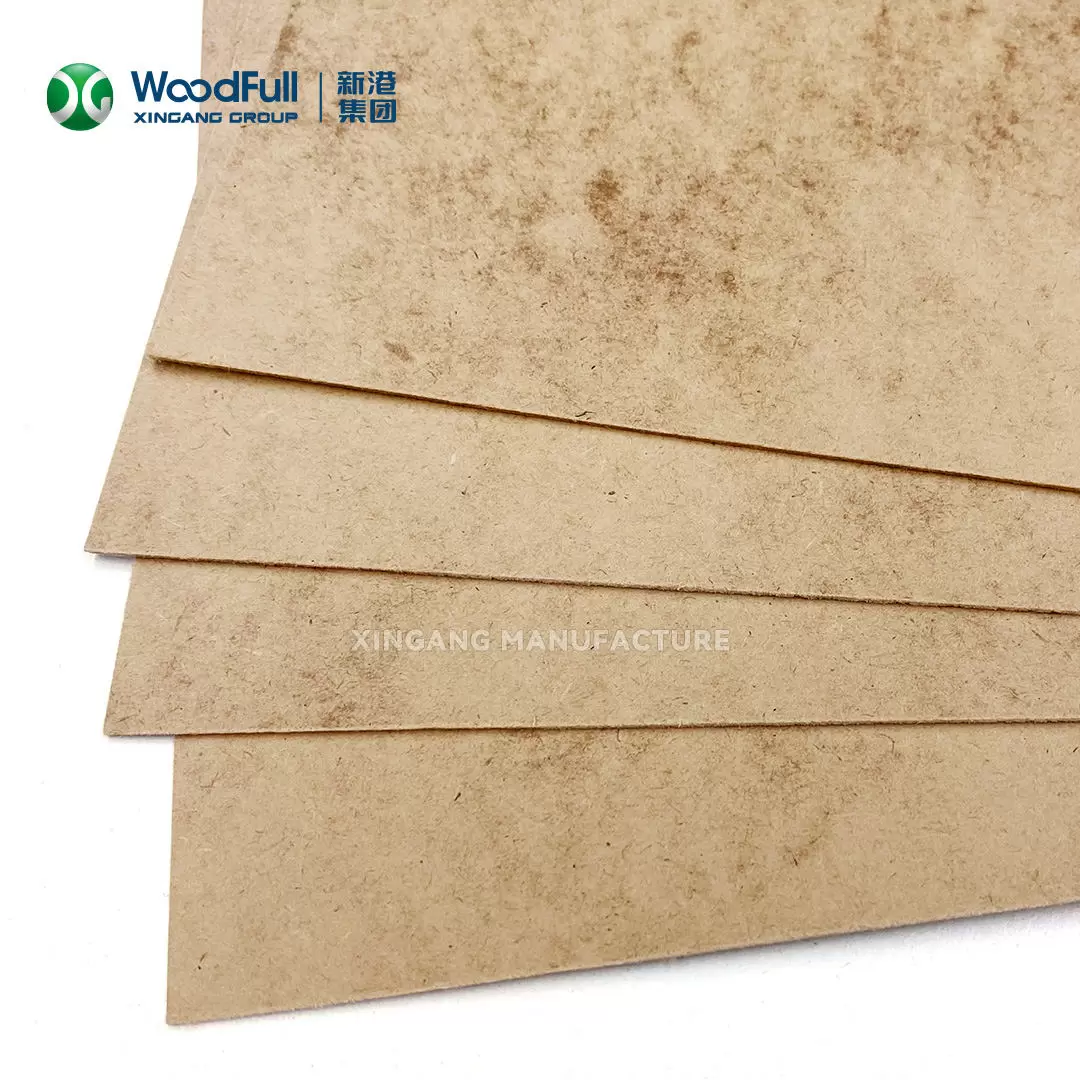
Density is one of the most important parameters in MDF furniture board because it influences screw holding, bending strength, machining behavior and surface integrity. A board with an uneven density profile can behave differently at the surface and core, creating problems during routing, drilling or edge processing.
A typical furniture-grade MDF construction uses a relatively dense surface layer combined with a more porous core. This density profile helps provide a smooth machining surface while controlling overall board weight. Excessive density can increase machining resistance and tool wear, while insufficient density may reduce fastener retention and edge strength.
For example, a cabinet door requiring repeated hinge installation has different requirements from a decorative back panel. The hinge area experiences concentrated loads, so the board must maintain sufficient local strength and dimensional stability. In contrast, a non-load-bearing decorative panel may prioritize lightweight construction and easy machining.
This is why MDF furniture board should be evaluated according to its intended component rather than using one density specification for every furniture application.
Thickness tolerance becomes particularly important when MDF furniture board is processed through CNC routing, edge banding, drilling and automated assembly. If a nominal 18 mm panel has significant thickness variation, the difference can affect groove depth, connector positioning and the final alignment between adjacent panels.
For modular furniture, common thicknesses include approximately 9 mm, 12 mm, 15 mm, 18 mm and 25 mm, although actual requirements vary by design. Thicker boards can provide greater stiffness, while thinner boards can reduce weight and material consumption where structural loading is limited.
Thickness should therefore be matched with span, loading and connection design. An 18 mm board may be suitable for many cabinet carcasses, while shelves with longer unsupported spans may require a thicker section, structural reinforcement or a different panel construction.
MDF is manufactured by bonding refined wood fibers with resin under controlled pressure and temperature. The quality of fiber preparation and bonding directly affects the internal strength of the board.
Poor internal bonding can become visible during machining when routing or drilling causes fiber pull-out, edge breakage or delamination-like defects. It can also reduce the board's ability to hold mechanical fasteners over repeated assembly cycles.
For furniture production, internal bond strength should therefore be considered together with surface hardness. A board that has a hard surface but weak internal structure may machine cleanly initially but perform poorly around screw holes, dowel joints or concealed connectors.
A stable fiber-resin distribution provides a more predictable substrate for CNC processing and subsequent furniture assembly.
MDF furniture board is frequently assembled using screws, dowels, cam-lock connectors, hinges and other hardware. Because MDF does not have the same continuous grain structure as solid wood, fastener performance depends strongly on density, fiber structure and installation parameters.
Screw diameter, pilot-hole size, insertion depth and distance from the edge all influence holding performance. Over-tightening can damage the fiber structure around the hole, particularly in lower-density material.
For cabinet manufacturing, the board specification should therefore be considered together with the actual hardware system. A panel intended for repeated knock-down assembly requires different mechanical performance from a decorative panel that is permanently bonded.
Standard MDF is primarily designed for relatively controlled indoor environments. Bathrooms, kitchens, laundry areas and other locations with elevated humidity can create additional dimensional and durability requirements.
Moisture absorption can cause thickness swelling and dimensional changes, which may affect door gaps, drawer movement and edge finishes. Edge sealing is particularly important because exposed machined edges have a different moisture response from fully finished surfaces.
When MDF furniture board is used in humid environments, moisture-resistant grades, appropriate surface coatings and effective edge sealing should be considered as one system. Choosing only a moisture-resistant board without controlling the exposed edges does not fully address the environmental risk.
The uniform surface of MDF is one of its main advantages for painted, laminated and veneered furniture. A stable surface reduces the need to compensate for natural grain irregularities and provides a consistent substrate for decorative finishes.
However, machining can expose the internal fiber structure at cut edges. These edges may require sealing, sanding or specialized finishing before painting or coating. CNC cutting parameters also influence edge quality. Excessive feed rate, unsuitable tooling or worn cutters can produce rough edges even when the board itself meets the required specification.
For high-volume furniture production, board quality and machining parameters should therefore be optimized together.
Furniture manufacturers increasingly need MDF furniture board with controlled emissions and safer adhesive systems, particularly for residential interiors, children's furniture and enclosed spaces.
Resin selection and manufacturing technology directly affect formaldehyde emissions and other volatile substances. Shandong Xingang Group Co., Ltd. focuses on environmentally oriented wood-based materials and describes its Xin'gang biomimetic adhesive as containing zero formaldehyde, zero benzene and no harmful substances. The company states that this adhesive has been applied at scale in biomimetic decorative boards, ultra-thin density boards and biomimetic marine plywood.
For furniture applications, environmental performance should still be verified through the relevant product documentation and applicable testing standards for the target market. This creates a more reliable basis for comparing different MDF furniture board solutions.
The most appropriate MDF furniture board depends on how the finished component will be loaded, machined, assembled and exposed to environmental conditions. Density, thickness, internal bond strength, screw holding, moisture behavior, surface quality and emission performance should be evaluated together.
A cabinet door, wardrobe side panel, long-span shelf and decorative wall panel may all use MDF, but their technical requirements are not identical. Matching board characteristics to the actual furniture structure can improve machining consistency, reduce assembly defects and create more predictable long-term performance.
For modern furniture production, MDF furniture board is best treated as an engineered material system. When fiber structure, resin technology, thickness control and downstream processing are aligned, the board becomes a more predictable foundation for efficient furniture manufacturing.