05 Feb 2026
High Gloss Furniture Board vs Matte Finish: Which One Suits Your Style?
Learn More >


Sustainability is no longer a secondary consideration in material selection. In construction and furniture manufacturing, environmental performance is becoming a core requirement driven by regulations, market demand, and corporate responsibility. Within this shift, melamine particle board is evolving toward a new generation of low-emission, environmentally friendly materials.
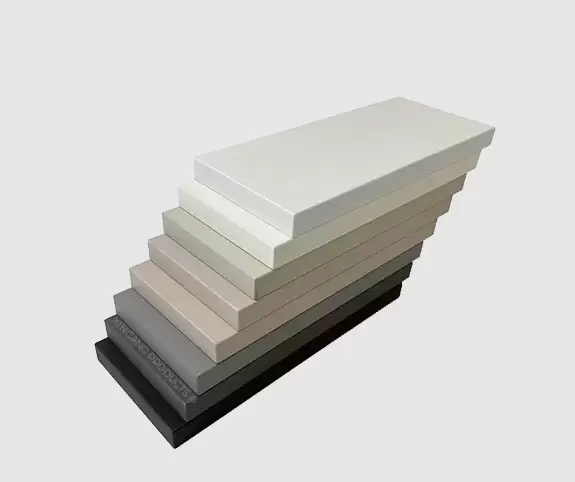
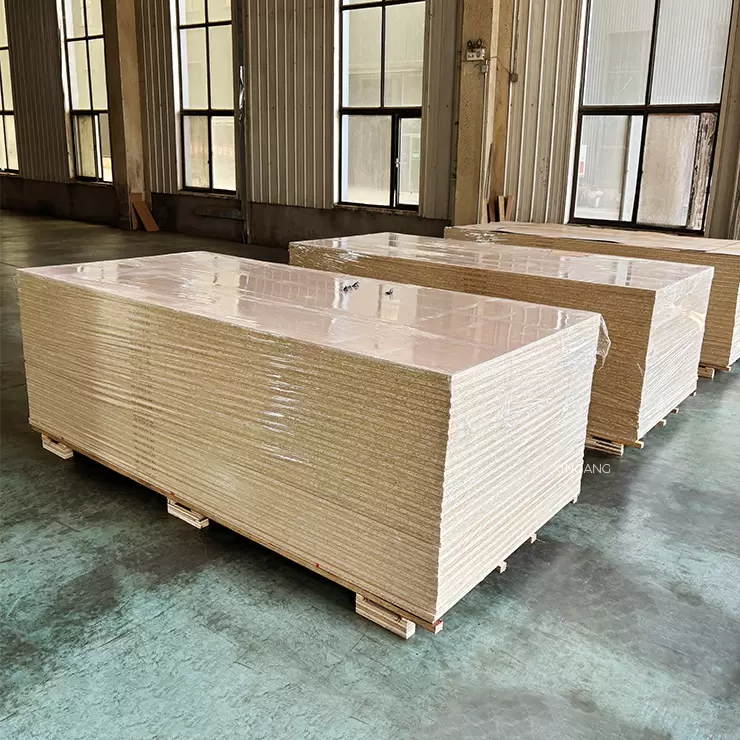
Traditional particle board production relies on urea-formaldehyde adhesives, which can release formaldehyde over time. Although emission levels have been reduced through improved formulations, stricter standards such as E0 and CARB Phase 2 require further innovation.
Shandong Xingang Group addresses this challenge through its biomimetic adhesive technology, which eliminates formaldehyde, benzene, and other harmful substances. This approach not only improves indoor air quality but also aligns with global green building certifications such as LEED and WELL. In environments where occupants are exposed to materials for extended periods, such as homes, schools, and hospitals, low-emission materials become essential.
From a technical perspective, achieving zero-emission adhesives without compromising mechanical strength is a significant challenge. Adhesives must maintain strong bonding between wood particles while resisting moisture and temperature variations. Xingang’s solution demonstrates that it is possible to achieve both environmental safety and structural reliability, ensuring that the board performs consistently under real-world conditions.
Sustainability also extends to resource efficiency. Particle board utilizes wood residues and recycled materials, reducing dependence on solid timber. This improves resource utilization and supports circular economy principles. When combined with durable surface finishes, such as melamine coatings, the material’s lifecycle is extended, reducing the need for frequent replacement.
In terms of performance, environmentally friendly melamine particle boards now match or exceed traditional products. They maintain comparable density, strength, and surface resistance, ensuring that sustainability does not come at the expense of functionality. Antibacterial and antiviral properties, enabled by advanced surface treatments, further enhance their suitability for modern applications.
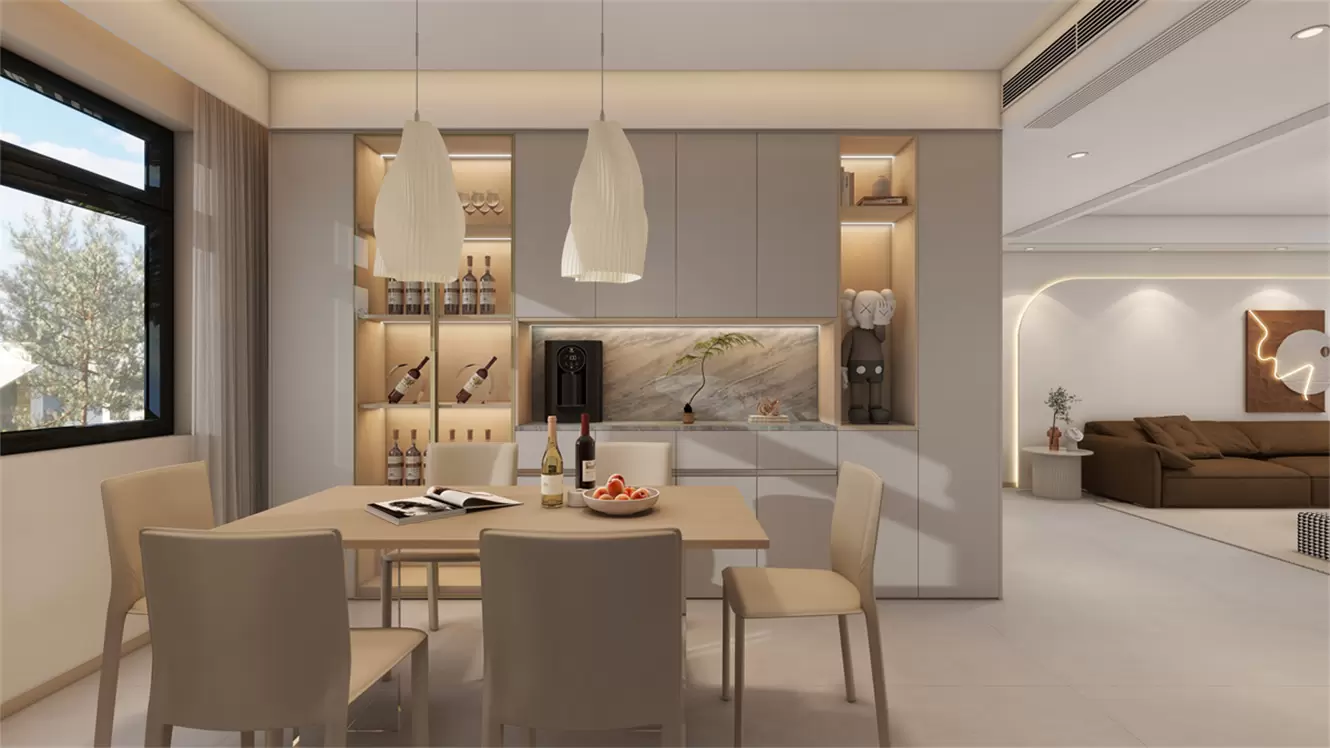
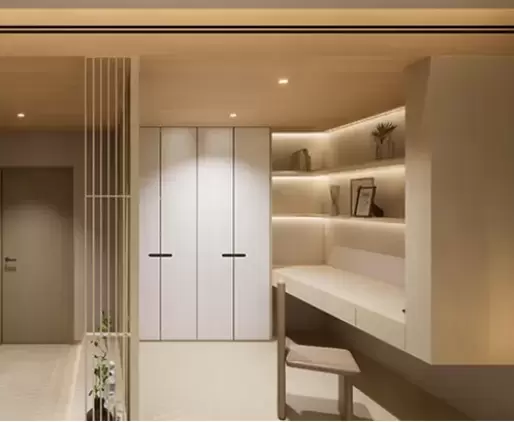
Application scenarios for sustainable melamine particle board are expanding rapidly. In residential construction, it is used for wardrobes, cabinets, and wall panels. In commercial environments, it supports large-scale furniture systems and interior fit-outs. In public spaces, such as healthcare and education facilities, its low-emission characteristics contribute to healthier indoor environments.
The shift toward sustainable materials is also influencing supply chain decisions. Manufacturers and project developers are increasingly prioritizing materials that meet environmental certifications while maintaining cost efficiency. Melamine particle board with advanced adhesive technology meets these requirements, providing a practical solution for large-scale adoption.
As the industry moves toward stricter environmental standards, the role of melamine particle board will continue to evolve. By integrating material science, surface engineering, and sustainable innovation, it is becoming a key component in the development of green building systems and responsible manufacturing practices.
In this context, companies like Shandong Xingang Group are not only supplying materials but also shaping the future direction of the wood-based panel industry, enabling the transition toward healthier, more sustainable living environments.