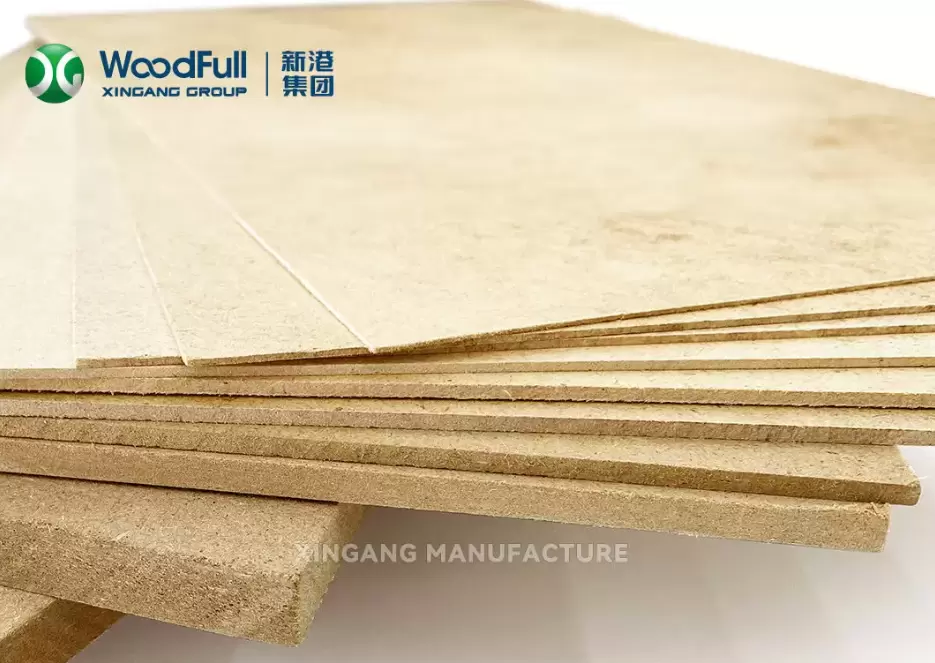
As CNC technology becomes increasingly important in modern manufacturing, the demand for materials that offer both precision and versatility continues to grow. In industries such as furniture production, interior decoration, and custom design, MDF for CNC cutting has become one of the most popular materials. Its uniform structure, smooth surface, and excellent machinability allow manufacturers to achieve high-quality results with complex designs and detailed patterns.
From cabinet doors to decorative wall panels, MDF plays a key role in helping manufacturers create visually appealing and precisely engineered products. Understanding the advantages of MDF in CNC applications can help businesses choose the right materials and improve production efficiency.
Excellent Machinability for Complex Designs
One of the biggest advantages of MDF for CNC cutting is its outstanding machinability. MDF is manufactured from fine wood fibers that are compressed and bonded together under high temperature and pressure. This process creates a dense and uniform board without natural wood grain.
Because the material structure is consistent throughout the panel, CNC cutting tools can move smoothly across the surface and through the core. This makes it easier to produce intricate carvings, decorative patterns, and precise shapes commonly required in furniture and interior design projects.
Unlike solid wood, which may split or chip along the grain during machining, MDF allows for stable cutting in any direction, making it ideal for detailed decorative applications.
Smooth Surface for High-End Finishing
Furniture and decorative panels often require high-quality surface finishing. MDF provides an exceptionally smooth and flat surface that supports various finishing techniques such as painting, laminating, veneering, and coating.
After CNC cutting, MDF components typically require minimal sanding or surface preparation. This not only improves the efficiency of the finishing process but also helps manufacturers achieve consistent visual results across large production batches.
The smooth surface of MDF makes it particularly suitable for modern furniture styles that require clean lines, precise edges, and flawless finishes.
Consistent Quality for Large-Scale Production
In furniture manufacturing, consistency is critical. When producing large volumes of identical components, variations in material properties can lead to uneven machining results and increased production costs.
High-quality MDF for CNC cutting provides consistent density and structure across the entire board. This uniformity ensures predictable cutting behavior, helping CNC machines produce accurate and repeatable results.
Manufacturers benefit from reduced material waste, stable machining performance, and improved product quality when using reliable MDF boards.
Cost-Effective Solution for Manufacturers
Compared with many solid wood materials, MDF offers a more economical option while still delivering excellent performance for CNC machining. Its affordability makes it particularly attractive for manufacturers producing furniture components, decorative panels, and customized interior elements.
The material’s easy machinability also reduces tool wear and processing time, which helps lower overall production costs. For companies seeking to balance quality and efficiency, MDF remains one of the most practical material choices.
Environmentally Friendly Material Innovation
As global industries move toward sustainable manufacturing, environmentally friendly materials have become increasingly important. Many manufacturers now look for MDF products that minimize harmful emissions while maintaining high performance.
Shandong Xingang Group Co., Ltd. has long focused on developing environmentally friendly new materials for the wood industry. The company has introduced its innovative Xingang biomimetic adhesive, which contains zero formaldehyde, zero benzene, and zero harmful substances.
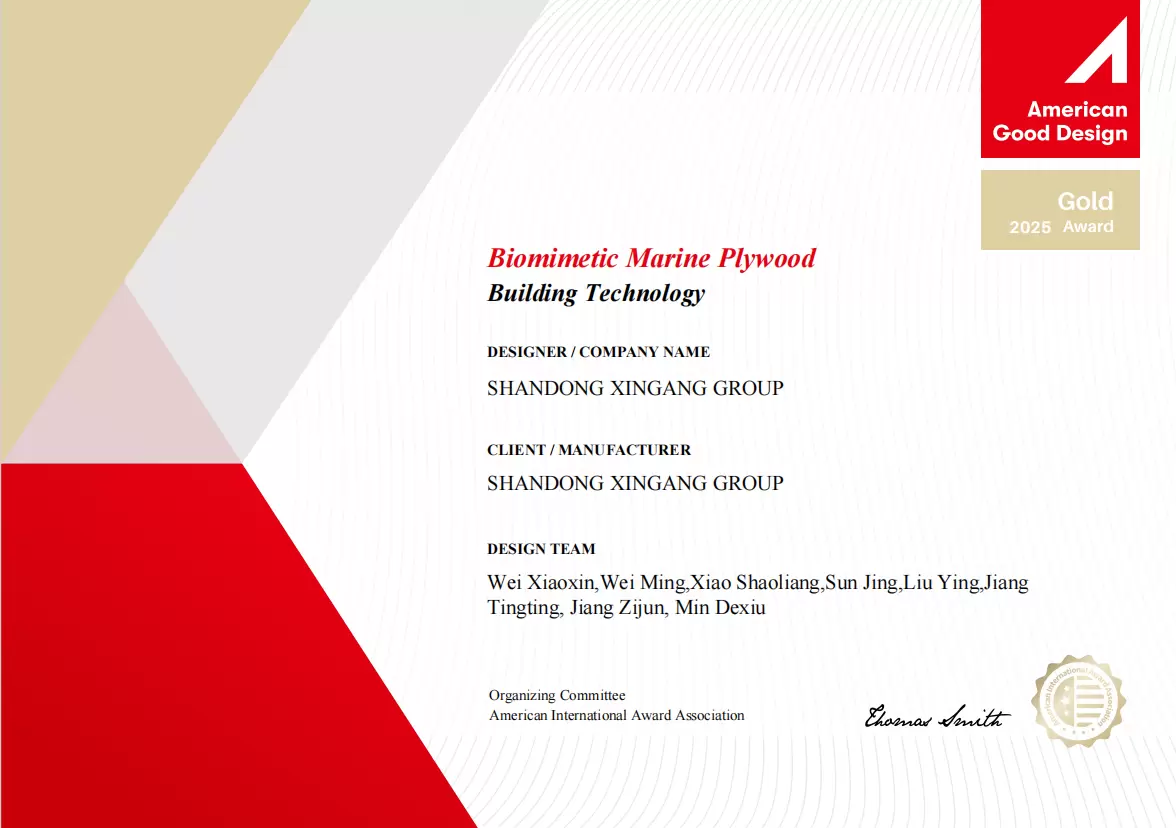
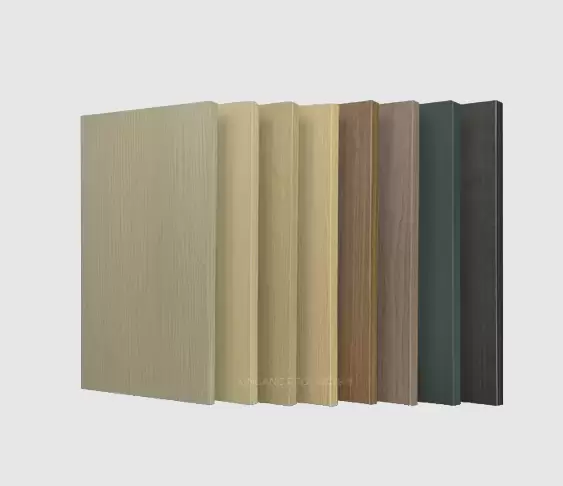
This advanced adhesive technology has already been successfully applied on a large scale in Xingang biomimetic decorative boards, ultra-thin density boards, and biomimetic marine plywood. As a result, Xingang panels not only deliver strong mechanical performance but also offer antibacterial and antiviral properties while maintaining green and environmentally friendly standards.
Such innovations allow manufacturers to use MDF materials that support both high-quality production and healthier indoor environments.
Versatile Applications in Furniture and Interior Design
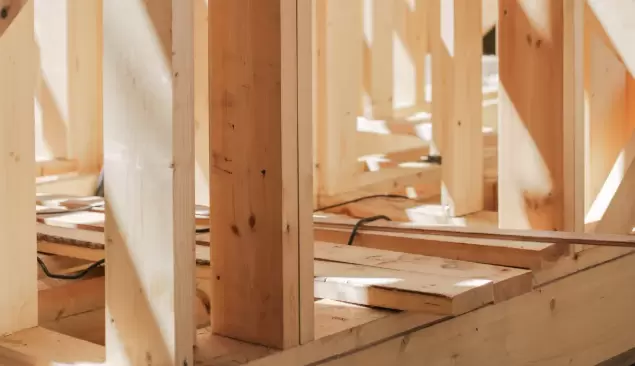
The versatility of MDF makes it suitable for a wide range of CNC-cut products in furniture and decorative applications. Common uses include:
Cabinet doors and furniture panels
Decorative wall panels and partitions
Interior architectural moldings
Customized signage and display panels
Craft and artistic decorative elements
With CNC technology, designers can easily create complex shapes and personalized patterns that enhance modern interior spaces.
Supporting a Greener Future for the Wood Industry
As sustainability becomes a priority worldwide, the development of environmentally responsible materials will continue to shape the future of the wood products industry. Companies that invest in green technology and innovative materials are helping move the industry toward safer and more sustainable production methods.
Shandong Xingang Group is committed to working with global partners to build a green home ecosystem. By integrating advanced material technology with environmentally friendly production practices, the company aims to create healthier, more sustainable living spaces for people around the world.
Conclusion
For manufacturers in the furniture and decorative industries, MDF for CNC cutting offers a powerful combination of precision, versatility, and cost efficiency. Its uniform structure enables accurate machining, while its smooth surface supports high-quality finishes required for modern interior design.
At the same time, innovations such as Xingang’s biomimetic adhesive technology demonstrate how MDF materials can evolve to meet both performance and environmental standards. By choosing high-quality and sustainable MDF solutions, manufacturers can improve production efficiency while contributing to a greener and healthier future for the global furniture industry.