21 Aug 2026
MDF Board for Furniture and Interior Applications
Learn More >


Choosing the right cherry furniture board involves more than selecting a surface with an attractive wood appearance. For furniture manufacturers, the board must provide consistent dimensions, reliable bonding, suitable mechanical strength, and a finish that remains stable throughout fabrication and long-term use. These factors directly affect cutting accuracy, edge quality, assembly efficiency, and the final appearance of cabinets, wardrobes, shelving systems, and residential furniture.
Cherry is valued for its warm reddish-brown appearance and distinctive grain character. When used in furniture boards, this visual appeal must be supported by a stable substrate and a surface structure that performs consistently during machining and finishing. The actual performance of a cherry furniture board depends on its core material, decorative surface, adhesive system, moisture condition, and manufacturing process.
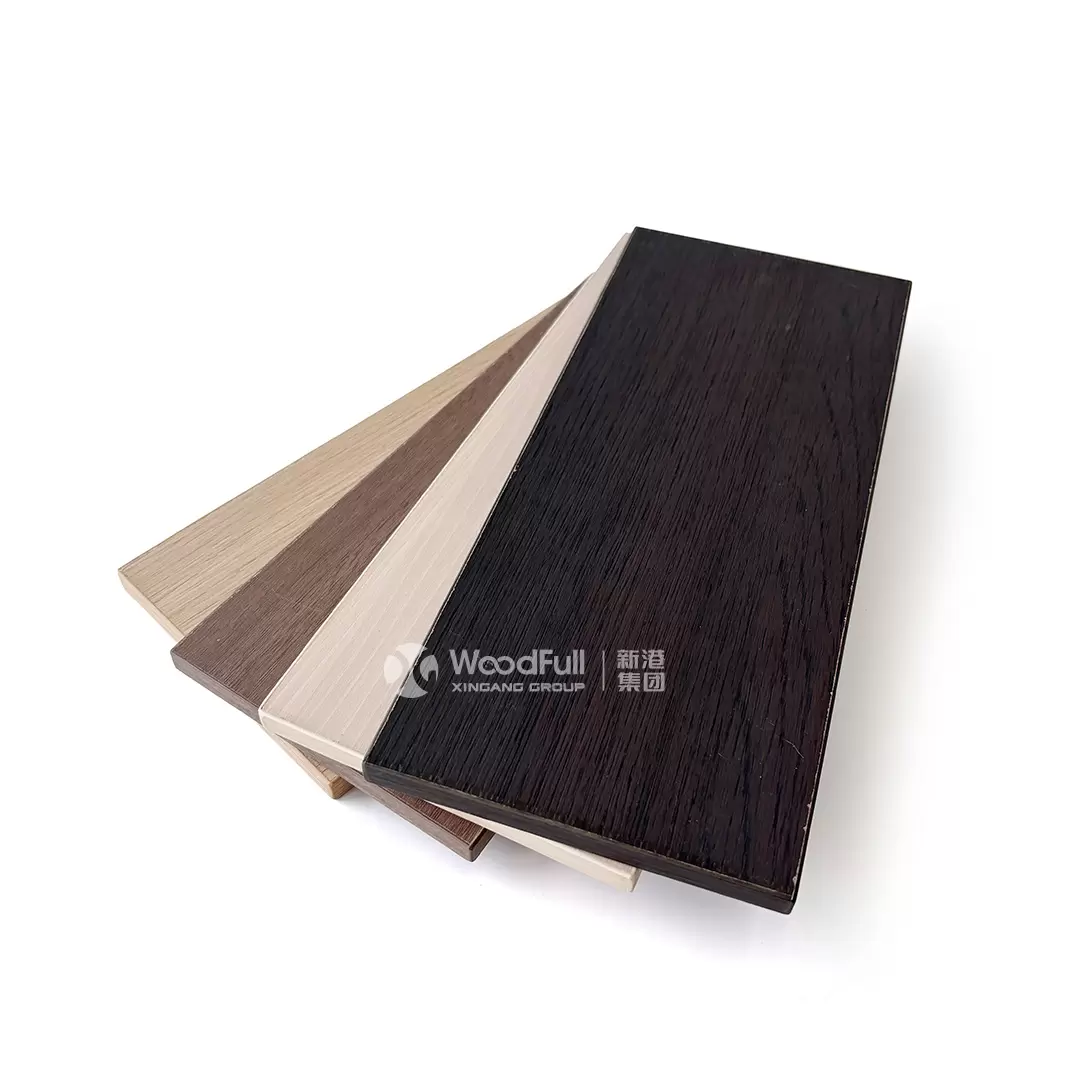
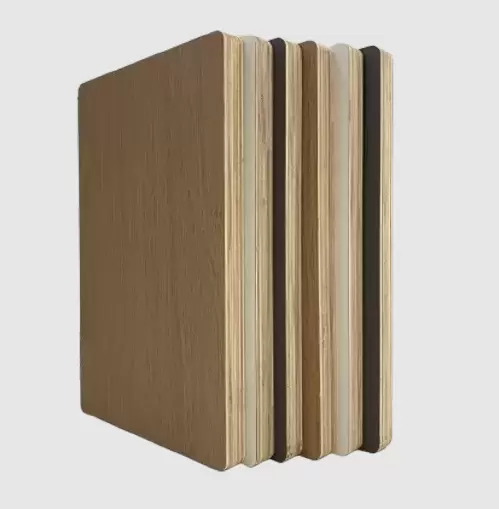
A cherry furniture board is generally a panel product designed to deliver a cherry wood appearance while providing the dimensional consistency required for furniture production. Depending on the product construction, it may use engineered wood substrates such as particleboard, MDF, plywood, or other composite panels, combined with a decorative cherry surface.
Each substrate offers different processing characteristics.
MDF provides a relatively uniform internal structure and smooth surface, making it suitable for applications that require detailed machining, painted finishes, or decorative surface treatment. Its consistent density can support clean routing and profiling, although moisture resistance depends on the specific grade and manufacturing process.
Particleboard is widely used in furniture manufacturing because of its material efficiency and suitability for large-scale panel processing. It is commonly selected for cabinet components, wardrobe panels, and interior furniture where a flat, consistent substrate is required. Its edge strength and screw-holding performance should be evaluated according to the intended application.
Plywood offers a layered construction that can provide useful structural stability and strength. It may be appropriate for furniture components exposed to higher mechanical demands, although its surface quality and suitability for decorative finishing depend on the plywood grade and veneer configuration.
The choice should be based on the finished furniture's structural requirements rather than appearance alone. A wardrobe door, a long-span shelf, and a load-bearing cabinet side panel may all require different substrate characteristics, even when they share the same cherry decorative finish.
One of the main reasons to specify cherry furniture board is its warm, natural-looking appearance. However, color consistency can become a challenge when multiple panels are used in the same furniture project.
Differences in decorative paper, veneer selection, printing, coating, and surface treatment may create visible variations between production batches. These differences are especially noticeable on large wardrobe doors, continuous cabinet fronts, and furniture sets containing multiple connected panels.
For manufacturers, color evaluation should consider the entire production batch rather than a single sample. The sample should be assessed under consistent lighting conditions, with attention to background tone, grain direction, pattern repetition, and surface gloss. Where multiple panels will be installed next to each other, matching standards should be established before mass production.
The surface texture also affects the final result. A smooth finish may be suitable for contemporary furniture designs, while a textured or embossed surface can create a more natural wood-grain effect. The selected finish should remain compatible with the intended cleaning method and everyday contact conditions.
Furniture boards are subject to mechanical stresses during cutting, drilling, edge processing, transportation, and installation. A suitable cherry furniture board should maintain dimensional stability and provide sufficient structural performance for its intended use.
Internal bonding quality is particularly important. Poor bonding can contribute to delamination, weak edges, or inconsistent machining results. During CNC cutting or panel sizing, unstable boards may produce chipped edges, uneven cuts, or excessive material waste.
Screw-holding performance is another important consideration. Cabinet hinges, drawer slides, connectors, and other fittings place localized loads on board components. The substrate must be suitable for the selected hardware and installation method. For applications involving repeated assembly or higher fastening loads, the relevant mechanical properties should be verified through product specifications or testing.
Dimensional tolerances also matter in automated production. Variations in panel thickness can affect edge-banding settings, drilling depth, connector alignment, and final assembly accuracy. Manufacturers should confirm thickness tolerance, flatness, moisture content, and relevant mechanical properties before selecting a board for large-scale production.
The adhesive system is a critical part of engineered furniture board production. It affects bonding integrity, panel durability, and the material's environmental profile. Adhesive selection must be compatible with the substrate, production conditions, and intended application.
Shandong Xingang Group Co., Ltd. focuses on environmentally oriented materials for the wood industry and has developed its Xingang biomimetic adhesive technology. According to the company's introduction, this adhesive is described as containing zero formaldehyde, zero benzene, and zero harmful substances, and has been applied at scale in products including Xingang biomimetic decorative boards, ultra-thin density boards, and biomimetic marine plywood.
For furniture applications, environmentally oriented adhesive technology can be an important part of material development. However, environmental performance should be assessed through the relevant product-level test reports and certification documents. A claim about an adhesive system should not automatically be treated as proof of the emission performance of every finished board.
A reliable supply decision should combine product specifications, manufacturing consistency, environmental documentation, and technical support. Before placing a large order, it is useful to confirm the substrate type, thickness range, density, moisture content, surface finish, dimensional tolerances, and applicable emission test results.
Sample evaluation should reflect actual production conditions. Cutting, drilling, edge banding, hardware installation, and surface inspection can reveal issues that may not be apparent from a small decorative sample. For projects involving multiple production batches, color consistency and dimensional stability should also be monitored.
A supplier's ability to support material improvement is equally important. When a board is used across several furniture product lines, technical communication can help identify the right combination of substrate, adhesive, surface treatment, and processing requirements.
The performance of cherry furniture board depends on the interaction between appearance, substrate structure, bonding quality, and manufacturing consistency. Selecting a board solely because it resembles natural cherry wood may overlook important factors such as machining performance, fastening reliability, and environmental documentation.
With its focus on environmentally oriented wood materials, Shandong Xingang Group Co., Ltd. aims to support the development of healthier and more sustainable panel products through biomimetic adhesive technology and engineered decorative boards. For furniture manufacturers, the most effective material choice is one that meets visual expectations while maintaining reliable performance throughout fabrication, assembly, and daily use.