09 Jan 2026
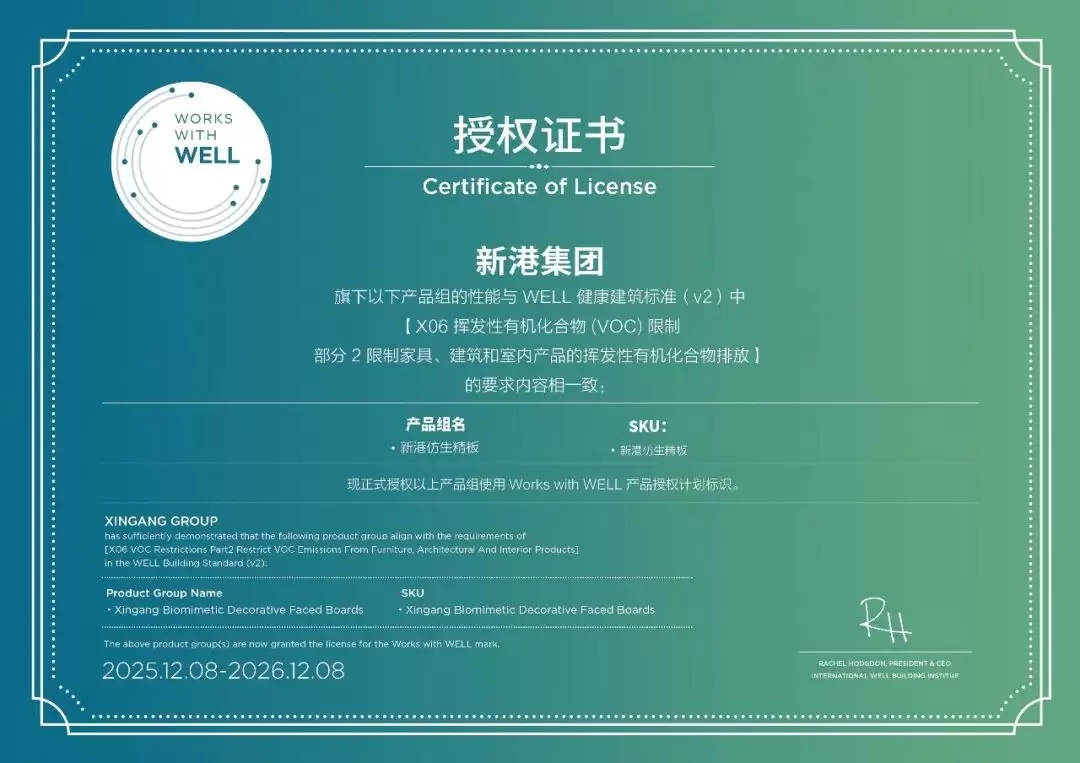
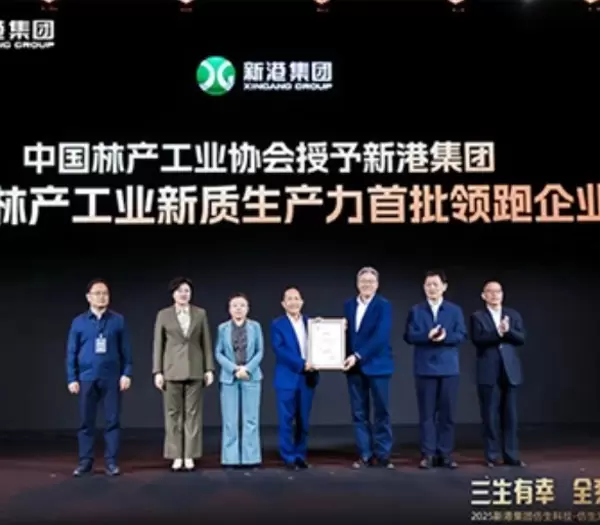
Stunning Milestone: Xinguang Group Secures Dual WELL International Certifications, Unlocking a New Global Identity
Learn More >


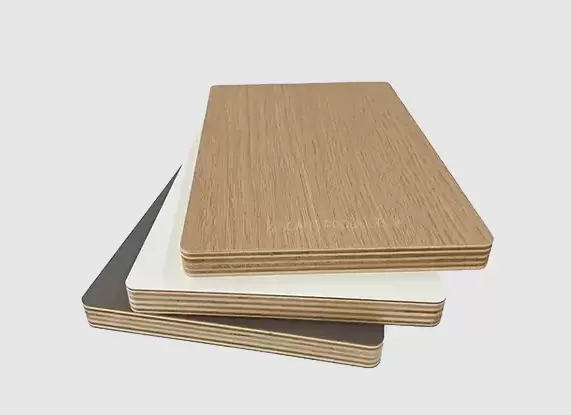
Choosing bintangor plywood may appear straightforward, but product quality can vary significantly depending on raw materials, core construction, adhesive systems, and manufacturing processes.
Many buyers focus primarily on price. However, lower-priced panels often come with hidden risks such as uneven cores, weak bonding strength, high moisture content, or poor surface quality. These problems may not be immediately visible but can lead to warping, delamination, or reduced service life after installation.
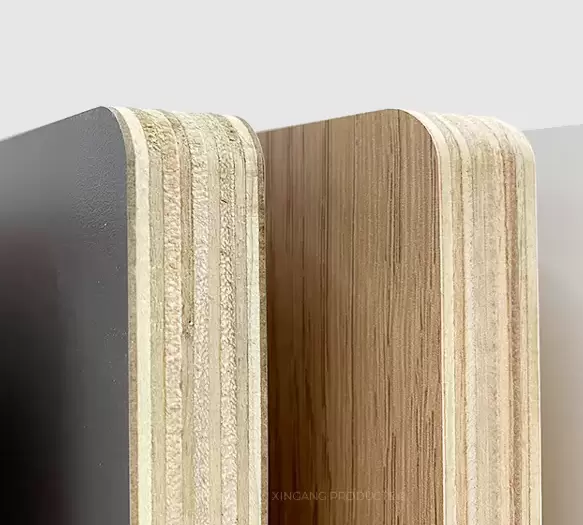
Understanding several key factors can help buyers make more informed decisions.
The face veneer is the most visible part of plywood, but the core structure has a greater impact on durability.
High-quality bintangor plywood uses carefully arranged veneers with minimal gaps and overlaps. The layers are bonded evenly to create balanced internal stress distribution.
Poor core construction may cause:
Uneven thickness.
Internal voids.
Weak screw-holding capacity.
Warping during use.
Lower mechanical strength.
When evaluating plywood, inspecting the cross-section is often one of the simplest and most effective ways to assess manufacturing quality.
Different applications require different adhesive systems.
MR glue is commonly used for indoor furniture and dry environments.
Melamine glue provides improved moisture resistance and is suitable for semi-humid conditions.
WBP glue offers excellent water resistance and is widely used for demanding environments.
Selecting the wrong adhesive may shorten product lifespan and increase maintenance costs.
Environmental performance should also be considered. Low-emission or zero-formaldehyde adhesives are becoming increasingly important in international markets, especially for residential and commercial interiors.
Moisture content directly affects dimensional stability.
If plywood contains excessive moisture, it may shrink after installation. If it is too dry, it may absorb moisture from the environment and deform.
Most high-quality bintangor plywood maintains moisture levels between 8% and 14%, allowing the panels to adapt to different climatic conditions while maintaining structural stability.
Manufacturers that implement strict drying and conditioning processes generally achieve better long-term performance.
The appearance of furniture or decorative products largely depends on the plywood surface.
Uniform color, smooth sanding, and minimal repairs help achieve consistent finishing results.
For manufacturers applying paint, veneer, melamine paper, or decorative laminates, surface quality directly affects production efficiency and product appearance.
Panels with rough surfaces or excessive repairs may require additional sanding and processing, increasing labor and material costs.
Environmental responsibility is no longer optional.
Consumers and regulators increasingly demand building materials that minimize harmful emissions while maintaining high performance.
Shandong Xingang Group has invested heavily in green material innovation and developed biomimetic adhesive technology featuring zero formaldehyde, zero benzene, and zero harmful emissions.
These environmentally friendly materials are already widely used in decorative panels, marine plywood, and other advanced wood products.
Such innovations not only improve environmental performance but also enhance product safety and long-term market competitiveness.
Selecting high-quality bintangor plywood requires more than comparing prices.
Core construction, adhesive systems, moisture control, surface quality, and environmental performance all influence the final value of the product.
Manufacturers that combine advanced production technology with sustainable material innovation are better positioned to deliver plywood that meets modern requirements for quality, safety, and durability.
As global demand for environmentally friendly and high-performance wood materials continues to rise, bintangor plywood remains one of the most practical and versatile choices for furniture, decoration, and construction applications.